

London’s West Bank Trade Embargo Triggers Immediate U.S. Legal Threats and Diplomatic Rift with Israel
Transatlantic collision over settlements
Facing mandatory triggers under state anti-boycott statutes, British companies could lose access to contracts with U.S. state and local governments if London’s incoming trade embargo on Israeli settlements takes effect. Over 35 U.S. states have anti-BDS laws that prohibit public entities from engaging with entities that boycott Israel or Israeli-controlled territories. The U.S. Trade Facilitation and Trade Enforcement Act of 2015 further directs federal negotiators to discourage foreign trade partners from penalizing trade with Israel, including West Bank settlements. Representative Randy Fine, Republican of Florida, warned on X that the planned measures could implicate Florida’s anti-boycott law and potentially prevent some British companies from doing business with state and local governments. The U.S. State Department said it was tracking the plans closely.
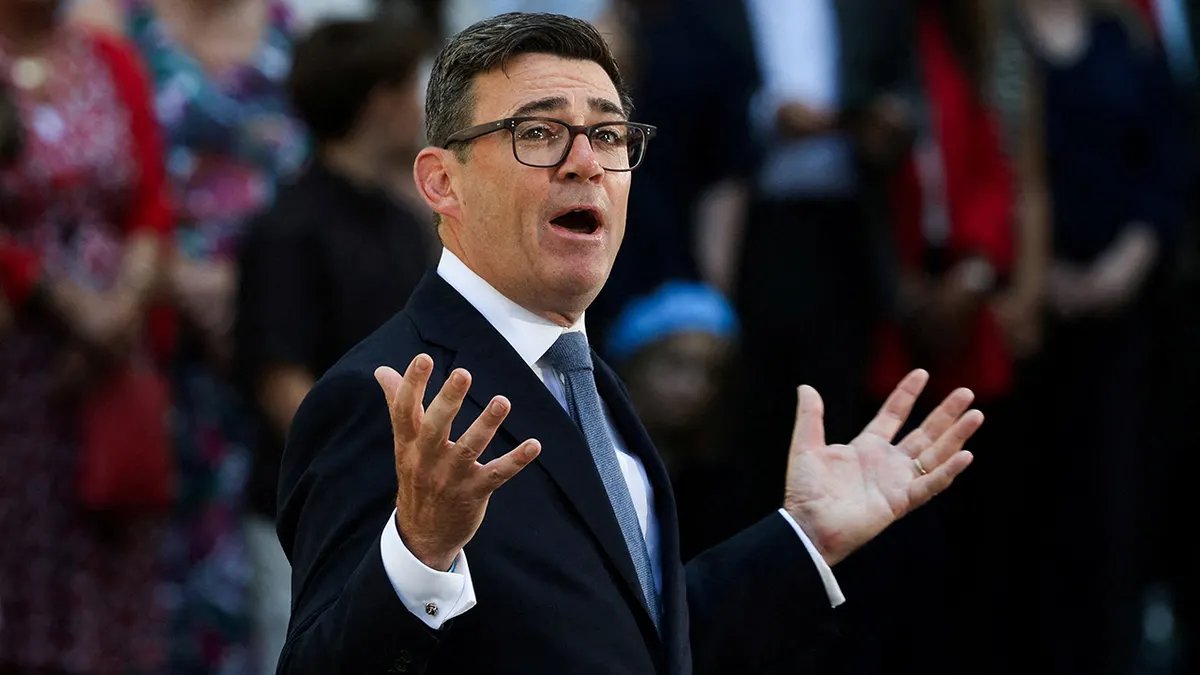
Targeting goods and services from Israeli settlements in the West Bank, the United Kingdom is expected to announce restrictions on Tuesday. The measures include an embargo on goods and some services involving West Bank settlements, marking an escalation in London’s pressure on Israel under new Prime Minister Andy Burnham, who has taken a firmer stance on the conflict.
Foreign Secretary Ed Miliband described the E1 settlement project east of Jerusalem as a longstanding “red line” and said Britain would take action to protect the prospect of a two-state solution. The E1 corridor spans approximately 12 square kilometers between East Jerusalem and the Israeli settlement of Ma’ale Adumim. Urban development in E1 would physically divide the northern and southern West Bank, severing territorial continuity for a viable Palestinian state. Miliband has already pledged a “comprehensive reset” of Britain’s policy toward Israeli settlements in the West Bank.


Burnham spoke by phone with President Donald Trump on Monday, the day before the expected announcement. A Downing Street readout said the two leaders discussed the Middle East, with Burnham highlighting the importance of a two‑state solution. The readout did not mention the planned sanctions. Bloomberg reported that the timing of the call suggested Burnham may have briefed Trump on the measures targeting goods and services linked to Israeli settlements. The U.S. is the U.K.’s single largest trading partner, accounting for over £300 billion in two‑way trade annually, placing London’s unilateral trade restrictions in direct opposition to Washington’s pro‑Israel trade posture.
“The British Mandate in Israel is over,” Israeli Finance Minister Bezalel Smotrich wrote on X, calling for the British ambassador’s expulsion. National Security Minister Itamar Ben‑Gvir proposed retaliatory recognition of Argentine sovereignty over the Falkland Islands and sanctions on Britain. Ben‑Gvir accused Britain of having “violently” taken the disputed islands. The planned sanction announcement has drawn sharp criticism in Israel and the United States.

Burnham has joined leaders from Canada, France, Germany, Italy and other countries in condemning Israel’s E1 settlement expansion, arguing that the project threatens the viability of a future Palestinian state. State‑level anti‑BDS enforcement in the U.S. instantly amplified the diplomatic crisis brewing in Jerusalem, with British companies now facing conflicting legal mandates between London’s trade policy and American statutory prohibitions.