

FIFA Faces Council Showdown Over Balogun Ban and White House Lobbying
Belgium seeks a recorded FIFA Council debate over Balogun’s suspended ban and alleged political pressure
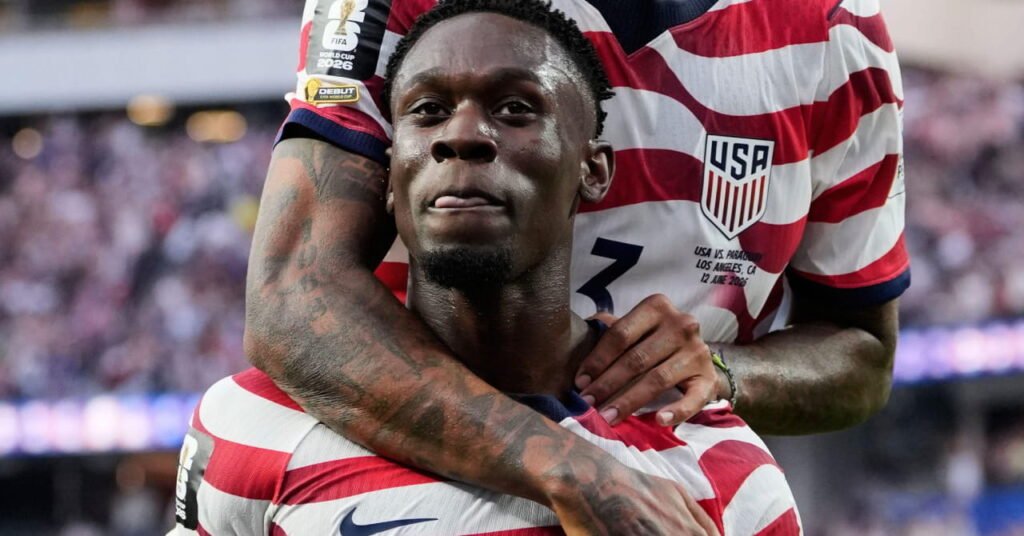
Two months after Folarin Balogun was cleared to face Belgium, the Royal Belgian Football Association says its questions remain unanswered. The association wants the case placed on the agenda for the next FIFA Council meeting.
The RBFA is seeking a formal explanation of the decision and a discussion of how similar disciplinary cases will be handled. The request has turned a tournament dispute into a governance challenge involving UEFA, FIFA and national football authorities.
FIFA suspended Balogun’s one-match ban for a year after he received a straight red card. The Folarin Balogun red card suspension FIFA granted was an unusual use of a probationary sanction. Under Article 33 of the FIFA Disciplinary Code, suspended sanctions are traditionally associated with financial fines, stadium closures or multi-match bans for minor offences. They are rarely applied to mandatory one-match bans resulting from a direct red card during an active knockout tournament.

UEFA and the RBFA questioned the decision before the United States played Belgium. No official explanation has been provided for the application of the suspended sentence.
Donald Trump and White House officials had lobbied FIFA over the case. Reports of Trump White House FIFA lobbying World Cup 2026 placed the outreach alongside FIFA’s decision to allow Balogun to play. FIFA Statutes 15 and 19 prohibit third-party political interference in football administration. National associations whose governments intervene in football matters have historically faced immediate international suspensions. The administrative decision and the political outreach have not been formally linked by FIFA.
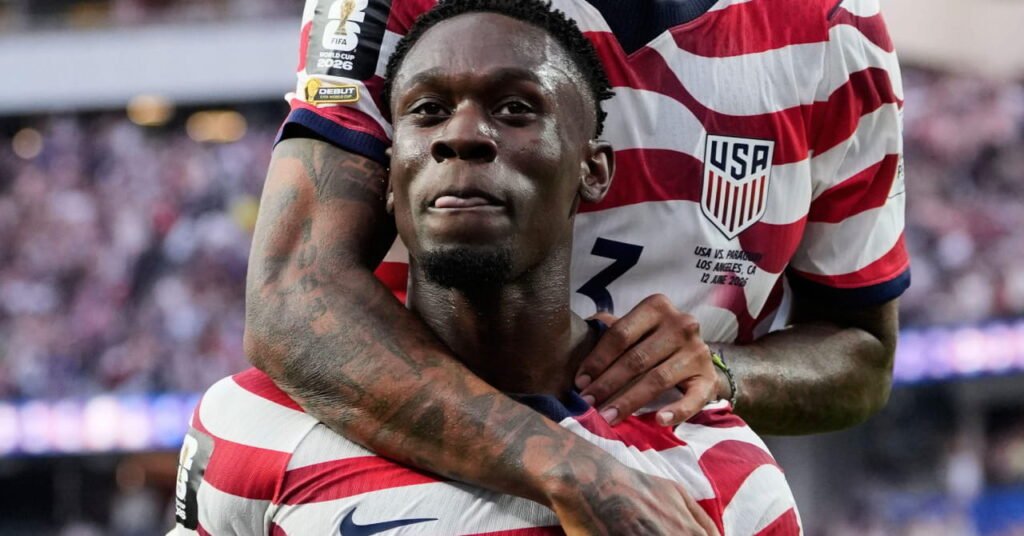
Balogun was named in the United States starting XI against Belgium while the suspended ban was in effect. He had scored three goals at the tournament before receiving the red card.
The United States lost 4-1. Belgium later went out to Spain.
Before the match, the RBFA had asked FIFA for “a clear justification of the decisions taken and details on how such situations will be handled in the future”. Two months later, no satisfactory response has arrived.
“Two months after the events, our questions remain unanswered,” RBFA president Pascale van Damme said.
“Given the importance of transparency and clarity for all parties involved, we request the necessary explanations and, at the same time, wish to explore where improvements to the current processes are possible, so that similar cases can be handled in a clear, consistent and efficient manner in the future.
“Together with Uefa, the other confederations and the national associations, we remain committed to transparency in decision-making, strong governance and clear processes. We remain open to constructive cooperation, in the interest of the trust, integrity and future of football.”
The FIFA Council is governed by Gianni Infantino and has 37 members from across the confederations. Agenda items submitted by confederations such as UEFA must be formally docketed, creating a recorded discussion among member nations. The RBFA FIFA Council challenge transparency now seeks to place the disciplinary decision and the political intervention before that body.
The FIFA disciplinary code suspended ban rule remains central to the Belgian request. The association is also seeking answers on the limits of government involvement in FIFA decisions. The Pascale van Damme UEFA political intervention FIFA dispute is moving from the tournament record to the council agenda.