Turkey’s formal candidacy for European Union accession dates to 1999, after it first applied to join the European Economic Community in 1987. Negotiations have effectively stalled for years over concerns about the rule of law, and the latest legal offensive has further strained Ankara’s relations with Western institutions.
Turkey’s Minister of Justice, Akın Gürlek, announced that a comprehensive directive had been sent to 175 chief public prosecutor’s offices across all 81 provinces. Prosecutors were instructed to aggressively target social content, organizations, and behaviors that the government considers contrary to “public morality” and harmful to the nation’s youth.
“We are steadfastly continuing our efforts to protect the family, our children and our youth from all forms of exploitation, obscenity, crime and harmful content,” Gürlek stated in a public announcement on X. He added that “the best interests of our children are not open to debate,” and warned that the state would show “no tolerance” for entities targeting traditional family structures.


The directive is part of President Recep Tayyip Erdoğan’s effort to institutionalize conservative policies under the state-sponsored “Decade of Family and Population” initiative. The administration’s vision seeks to boost Turkey’s birth rates while insulating the domestic population from what the ruling Justice and Development Party (AKP) portrays as corrupting foreign influences.
According to monitoring data compiled by Amnesty International, Turkish authorities have arrested and detained 116 individuals across 15 provinces. More than 160 individuals are also under formal investigation by the Turkish criminal justice system, while multiple activist organizations have been closed and coordinated raids have targeted gay bars.

On the digital front, state regulators have blocked or severely restricted 180 social media accounts belonging to LGBTQ+ advocacy groups, journalists, media outlets, and independent activists. International human rights watchdogs have condemned the measures as a direct challenge to the fundamental right to associate and express identity.
Public resistance has produced confrontations in several major cities. Police in Ankara intercepted a planned demonstration and arrested dozens of protesters. In İzmir, law enforcement officers used pepper spray to disperse peaceful crowds, while in Istanbul more than 95 people were detained outside the Istanbul Courthouse as they protested legal proceedings against civil society figures.
Turkey once occupied a distinct position on LGBTQ+ rights compared with much of the region. Homosexuality was decriminalized in 1858 during the Ottoman Empire, long before similar reforms were enacted in many Western European nations, and Turkish civil society was regarded for years as among the most vibrant in the Middle East.
Istanbul’s annual Pride marches grew to an estimated 100,000 participants in 2014, when people marched peacefully through the city center. The government began banning the events in 2015, citing security concerns, marking the beginning of a steady contraction of public space for civil rights advocacy.
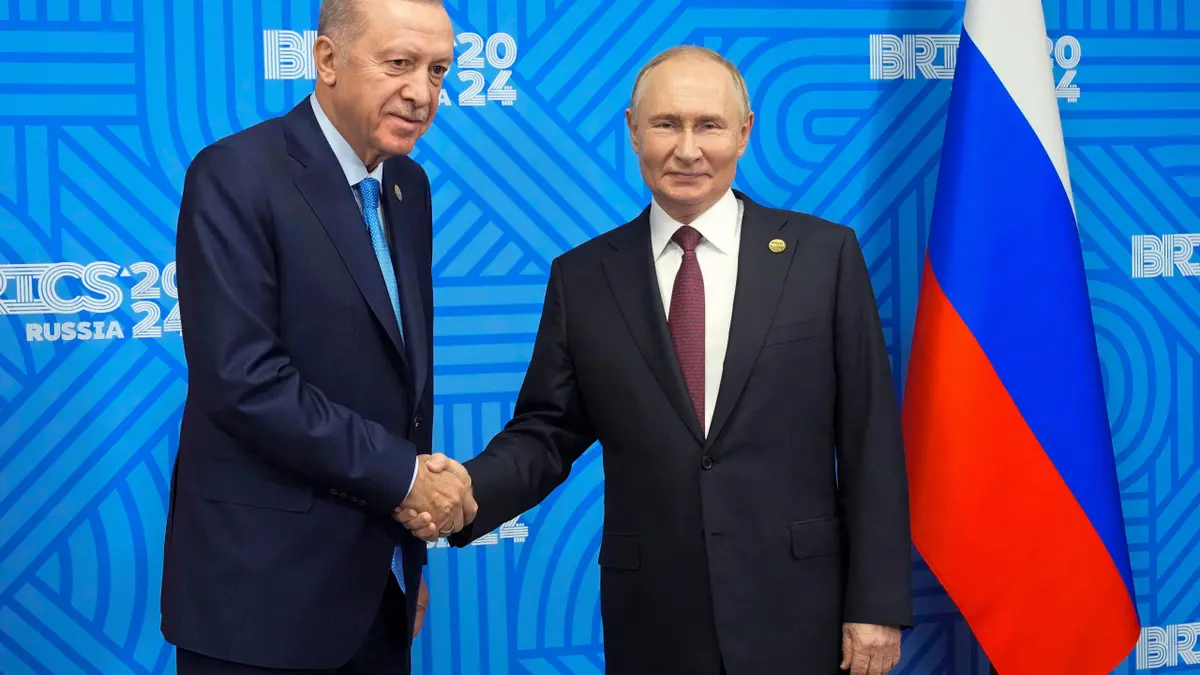
Sociopolitical analysts view the crackdown as part of Erdoğan’s broader legacy-building efforts. With a general election scheduled for 2028, the long-serving president has increasingly relied on nationalist and conservative domestic policies to solidify his political base.
“Erdoğan’s ‘family values’ agenda is about more than defending conservative values; it is about defining what kind of society Turkey should be and who belongs in it,” said Gonul Tol, a senior fellow at the Middle East Institute. Tol said the LGBTQ+ community serves as a convenient political foil for the government, allowing Erdoğan to present his policies as a defense against Western cultural hegemony.
The legislative and judicial shift mirrors conservative campaigns in other regional powers, most notably Russia, which has progressively tightened its own laws against non-traditional relationships over the past decade.
The European Commission issued a direct warning over the recent arrests and prosecutions. A spokesperson said the body was “concerned about the recent arrests and legal proceedings initiated against LGBTIQ+ activists, human rights associations, and businesses, as well as of the blockages of websites and social media accounts.”
The Commission reminded Ankara that, as an EU candidate and a long-standing member of the Council of Europe, Turkey is obligated to respect and uphold human rights and individual dignity regardless of sexual identity. Turkey joined the Council of Europe in 1949.
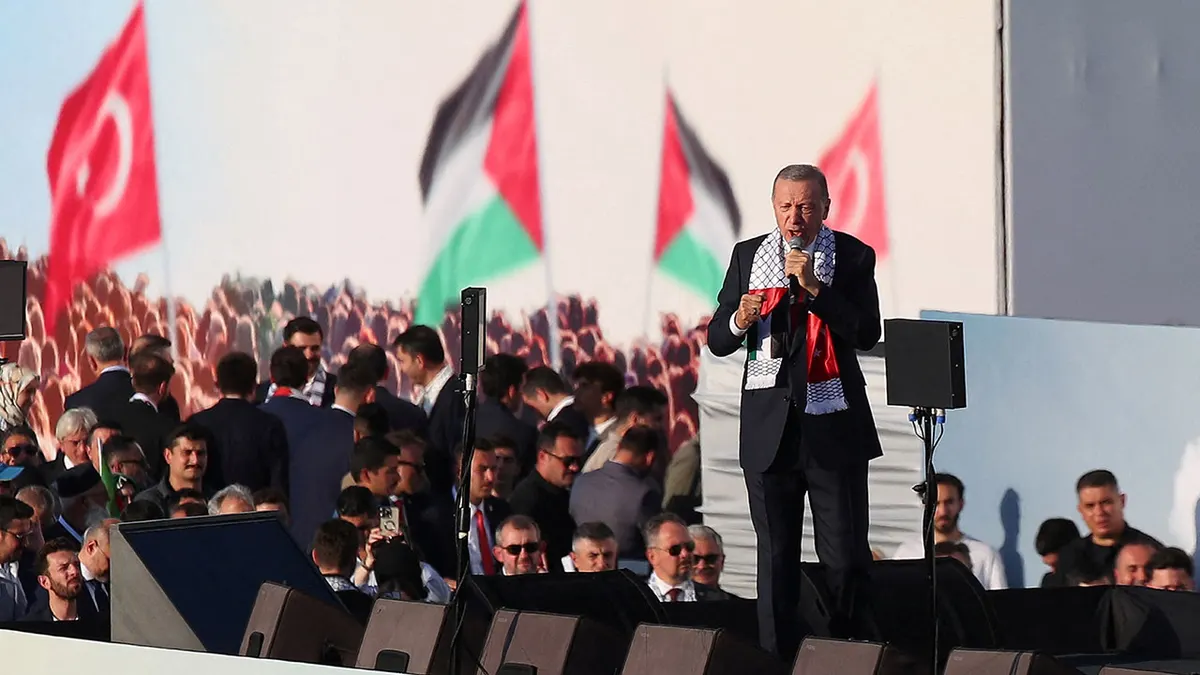
“This appalling escalation in Türkiye’s crackdown amounts to a full-scale assault on LGBTI rights and those who defend them,” said Esther Major, Amnesty International’s Deputy Regional Director for Europe. Major described the government’s family protection rhetoric as a “spurious guise” designed to justify the systematic dismantlement of civil rights.
Requests for comment regarding the nationwide judicial measures sent to the Turkish Embassy in Washington, D.C., went unanswered.