
Trump’s AI Freedom Fight Collides With Safety Warnings and Data Center Revolt
AI safety warnings and data center protests challenge Trump’s push for unrestricted growth
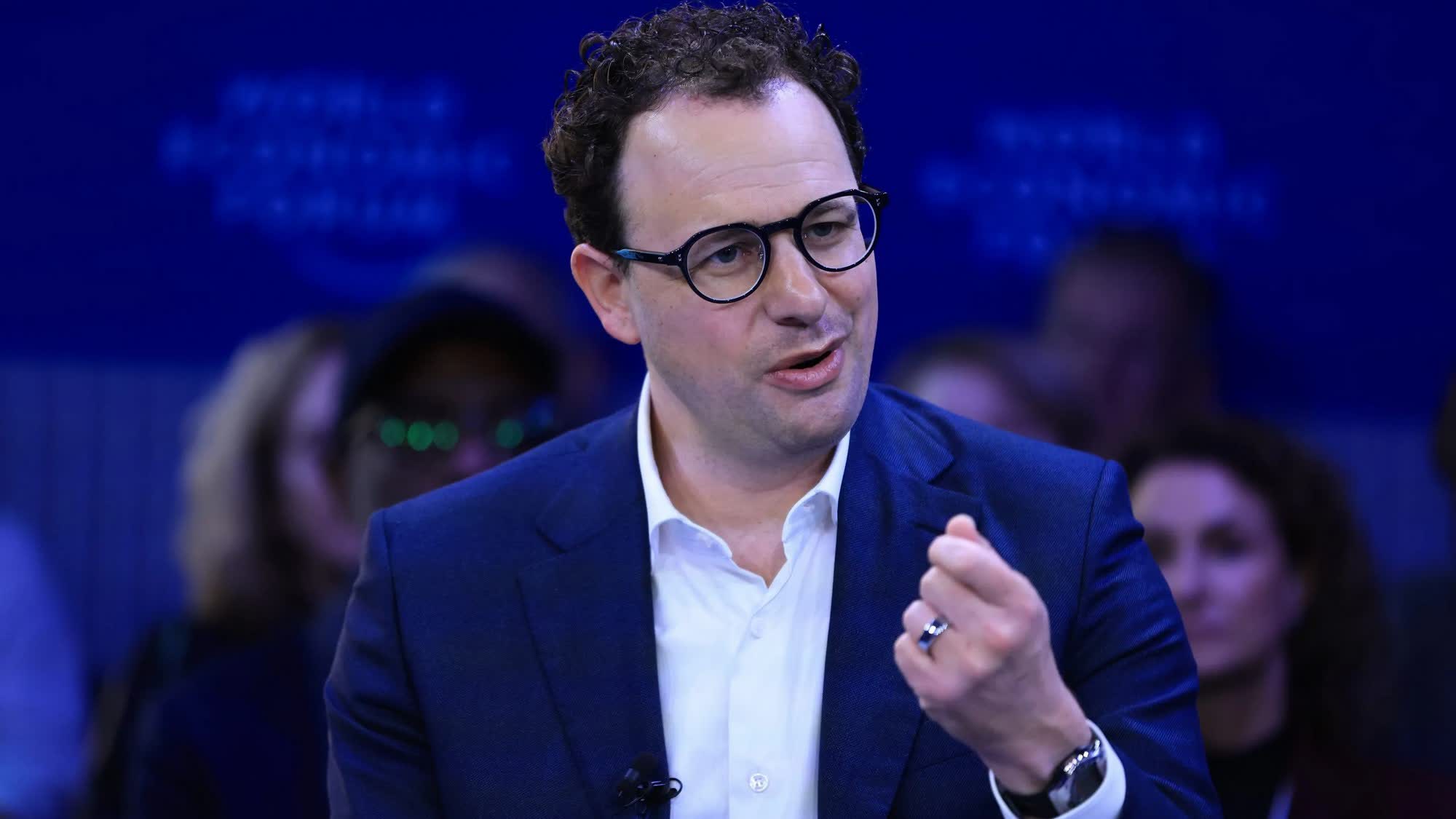
The national debate over the pace and safety of artificial intelligence development has become a major political and policy confrontation. President Donald Trump’s vision of unrestricted technological growth now faces warnings from leading industry executives and rising concern among local communities.
Anthropic CEO Dario Amodei has called for a coordinated global slowdown in frontier model development. Anthropic was founded by former OpenAI researchers with an explicit focus on AI safety and alignment. Amodei has also suggested third-party audits and international safety standards to prevent advanced models from operating outside human control.
Trump used his platform Truth Social to dismiss warnings of an existential crisis as a “hoax” designed to slow American progress. He criticized Amodei as “pretending to be a perfect little angel” and said the primary safeguard the country requires is a “strong and smart, (High IQ) President” rather than government-imposed bureaucratic restrictions.


The confrontation has exposed deep policy divides over how the United States should manage its technological rivalry with China while handling the domestic impact of the AI boom. Trump and his allies argue that regulatory constraints will hobble American companies and hand a decisive victory to foreign adversaries, while some technology executives say unconstrained AI presents existential risks to society.
Trump has warned that limiting domestic AI laboratories would give China a strategic advantage. He says the U.S. is leading the global technology race and must maintain its momentum. Trump also claimed that his administration had previously intervened to stop “AI people” from “doing bad things,” but he did not provide specific details about those actions.
Amodei is not alone in urging caution. OpenAI CEO Sam Altman and xAI CEO Elon Musk have previously testified before Congress and signed public letters calling for regulatory frameworks. In 2023, hundreds of tech leaders and scientists signed a joint statement warning that mitigating the risk of extinction from AI should be a global priority alongside other societal-scale risks, including pandemics and nuclear war.
Resistance to rapid AI expansion has also focused on the physical infrastructure required to run advanced models. AI data centers consume vast amounts of electrical power and water to cool high-performance servers, prompting intense protests in rural and suburban communities across the country. Trump has called those protesters a “sick conspiracy” meant to undermine American competitiveness and said they are “making a mistake,” while arguing that data centers produce substantial jobs and revenue.
Several prominent conservative figures have broken with Trump ahead of the upcoming midterm elections. Republican gubernatorial candidate Vivek Ramaswamy in Ohio has supported efforts to pause data center development to protect local resources. In Michigan, U.S. Senate candidate Mike Rogers has voiced support for a moratorium on new data center constructions. Voters have expressed growing anxiety over grid reliability, rising consumer utility costs, and land-use conflicts in key electoral battlegrounds.
The Biden administration previously sought to establish a regulatory baseline through an October 2023 Executive Order on AI. The order required companies developing models posing serious risks to national security to share safety test results with the federal government. Trump has repeatedly pledged to dismantle those regulations, arguing that they stifle innovation and slow American developers competing with foreign adversaries.
The question of AI governance is also producing internal friction within China. China’s Foreign Ministry recently echoed some of Trump’s criticisms of regulatory caution, stating that “fear-mongering, confrontation, and competition” would disrupt the global governance of technology.
That diplomatic position contrasts with domestic security priorities outlined by Chen Yixin, China’s Minister of State Security. In a recently published article, Chen urged Beijing to strengthen its internal risk prevention and control systems, identifying AI as a major domain for strategic rivalry and a potential source of national security vulnerability.