Gadi Eisenkot Won the Mandate With 19 Seats He Cannot Spend
Sixty-seven recommendations won Gadi Eisenkot the mandate. Forty-eight seats is what he actually holds.
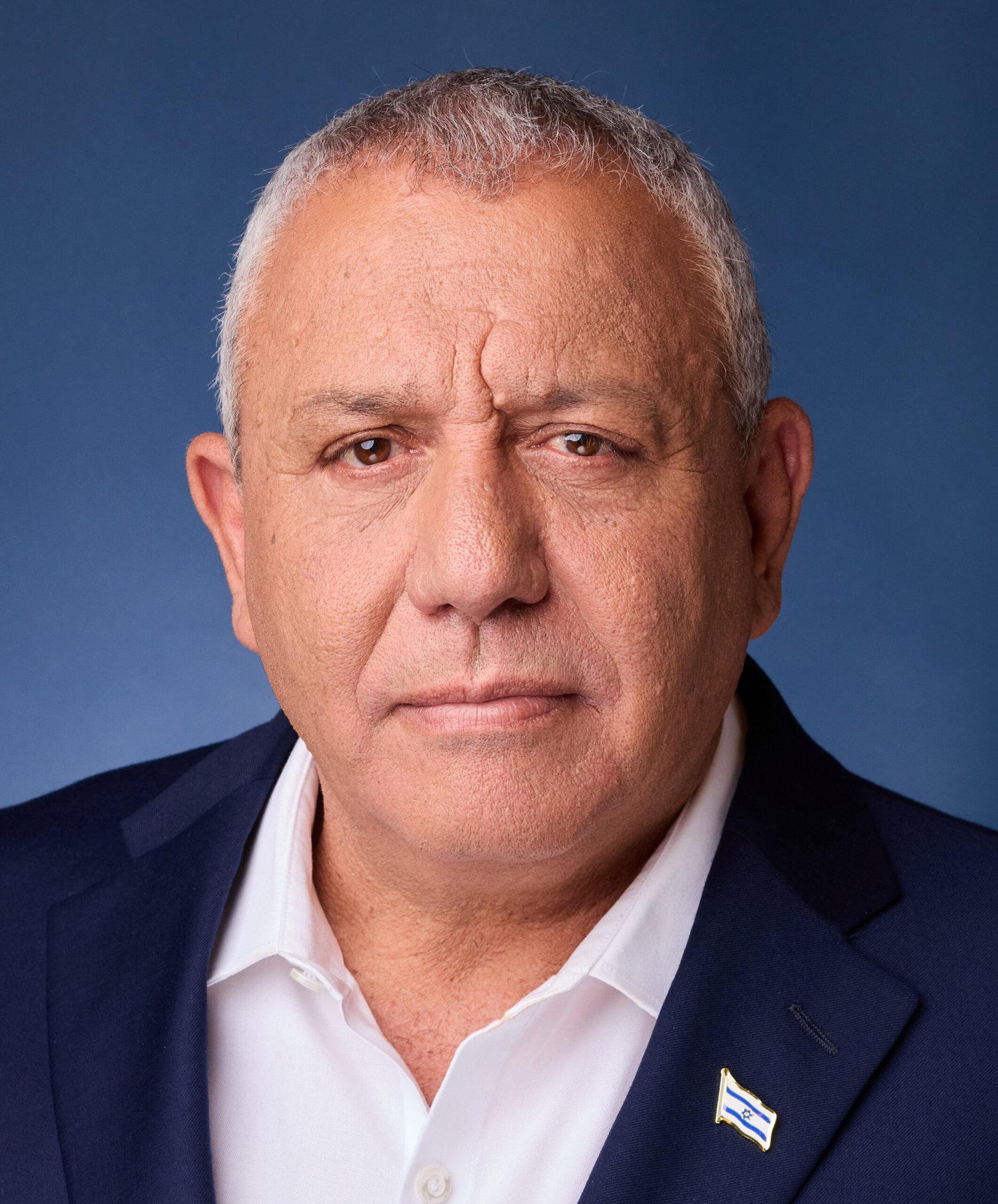
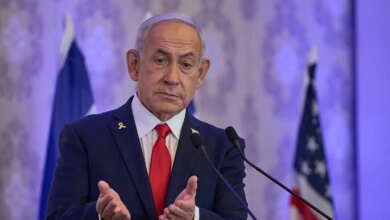
Sixty-seven members of the Knesset recommended Gadi Eisenkot for prime minister, and on Saturday evening President Isaac Herzog told him he would hand him the mandate at a ceremony on Sunday at 5 p.m. The number was the largest any candidate has received since 2015, Yashar noted, and it settled the only question Herzog had to answer this week. It settles nothing else, because 19 of those 67 recommendations came from the two Arab parties, and Eisenkot’s bloc has spent the campaign promising never to govern with them.
The count behind the number comes from the Central Elections Committee’s final tally, published October 30. Likud finished first with 27 seats on 1,164,494 votes, ahead of Eisenkot’s Yashar with 21 on 911,796. Behind them: B’Yachad 12, the Joint List 11, the Democrats and Ra’am eight each, Yisrael Beiteinu, United Torah Judaism and Otzma Yehudit seven each, Shas and Religious Zionism–Zehut six each. The blocs fell out at 53 for Netanyahu’s allies, 48 for the four Jewish opposition parties, and 19 for the two Arab lists.
Herzog’s consultations turned those blocs into recommendations: 67 for Eisenkot, 46 for Netanyahu, and seven for no one, because United Torah Judaism declined to recommend either man. Subtract the Arab parties and the margin collapses. Without their 19, Eisenkot leads 48 to 46 — two seats, not 21. Take away Avigdor Lieberman’s seven as well and he falls to 60, one short of a majority. The mandate rests on two fragile pieces: 19 seats from parties his bloc will not govern with, and seven from a party whose leader has vetoed the only route those 19 seats open.


The other route to 61 runs through the ultra-Orthodox parties, and the arithmetic there is exact. Add United Torah Judaism’s seven and Shas’s six to the change bloc’s 48 and the total is 61 — the majority line, with nothing to spare. The price is the conscription exemption. United Torah Judaism told Herzog its support would go to whichever bloc made concessions on Haredi enlistment, including abandoning sanctions against those who refuse to serve. Shas endorsed the prime minister and has shown no sign of leaving him. Every leader in the change bloc pledged before the election not to sit with the Haredim at all.
Avigdor Lieberman, whose seven seats the count cannot do without, opened the door to the Haredim in a post on Friday, writing that politicians would need to show flexibility, including on conscription. His own party pushed back the same day. Yisrael Beiteinu lawmaker Dan Illouz wrote that “we cannot give up on a conscription law.” Lieberman’s plan is a 61-seat coalition with the two ultra-Orthodox parties and without the Arab lists, and then, he added, three or four Likud lawmakers might defect.
Eisenkot has set four conditions for any party seeking to join his government, including recognizing Hamas as a terrorist organization, and in a September interview he said the Arab parties did not meet them. Mansour Abbas, whose Ra’am holds eight seats, stopped short of that recognition when he met Herzog. The Joint List, with 11 seats, recommended Eisenkot unanimously, and its chairman, Yousef Jabareen, said the party was choosing between “bad and even worse.” Its lawmaker Ahmad Tibi said the party would support a minority government from outside and act as a “blocking bloc.” Nothing was offered for the recommendation, senior sources in Eisenkot’s bloc said, and Tibi has already warned that the party will not lend a safety net “only to bring it down a month, two months or three months later.” Three of the four Jewish-led parties in the change bloc are, for now, refusing to partner with the Arab parties at all.
The argument is already running in public, in the same terms. When the Joint List’s recommendation was announced on Thursday, the most active English-language thread on r/Israel filled with voters working through the same gap. One commenter, u/night_vole, asked how a government that “doesn’t have the seats to make any changes” could be democratic at all, and argued that Netanyahu, whose Likud won the most seats of any party, “should get first crack at trying to form a government.” Another, u/Bizhour, put the mechanism plainly: “Recommendation is not joining coalition, what it does is give him the mandate to try and build a government first.” The pushback came in numbers. u/samasamasama answered the democracy charge with the count itself: “67 > 53, friend.” A fourth, u/Lefaid, did the vote-share arithmetic. He noted that “only 21% of the country directly voted for him” and that “14% of the electorate voted for the Arab parties, and surely their feeling should be heard.”
Herzog said the same thing in the President’s Residence, in blunter institutional language: Eisenkot’s ability to build a coalition “is uncertain.” The convention the skeptical commenter cited is real but not a rule. Nothing obliges the president to pick the candidate with the most recommendations. The thread had already split the same way the parties have. One side counted the 67; the other counted the seats a government would actually hold. Lieberman has sided with the second count. The commenters were arguing about a recommendation; Herzog has to turn one into a government.
The first count that matters comes on Tuesday, when the new Knesset is sworn in and elects its Speaker. The opposition intends to replace Amir Ohana, the Likud incumbent, and five parties — Yashar, the Joint List, Yisrael Beiteinu, the Democrats and Ra’am — have already called for an early vote on the chair. A Speaker chosen by the opposition would control the legislative agenda — including a state commission of inquiry into the security failures of October 7, 2023. The vote is the first time the 67 will have to act as one, with Lieberman voting alongside the Joint List to remove Ohana.
Eisenkot receives the mandate at the ceremony on Sunday at 5 p.m., and from there he has 28 days, until December 6, with a possible 14-day extension to December 20. If he fails, the mandate passes to Netanyahu for 28 days, and after that any 61 lawmakers may ask the president, in writing, to hand it to a third candidate, who would get 14 days. If that fails too, Israel votes again.
The five parties that called for the Speaker vote hold 55 seats between them, six short of the 61 needed to force the debate. Ohana has said he will schedule it if at least 61 lawmakers formally request one.