Cybertruck Production Winds Down With SpaceX as Its Biggest Buyer
The truck was promised at $39,900 and built for 250,000 sales a year. It sold 20,237 last year — and its biggest customer was Musk's other company.
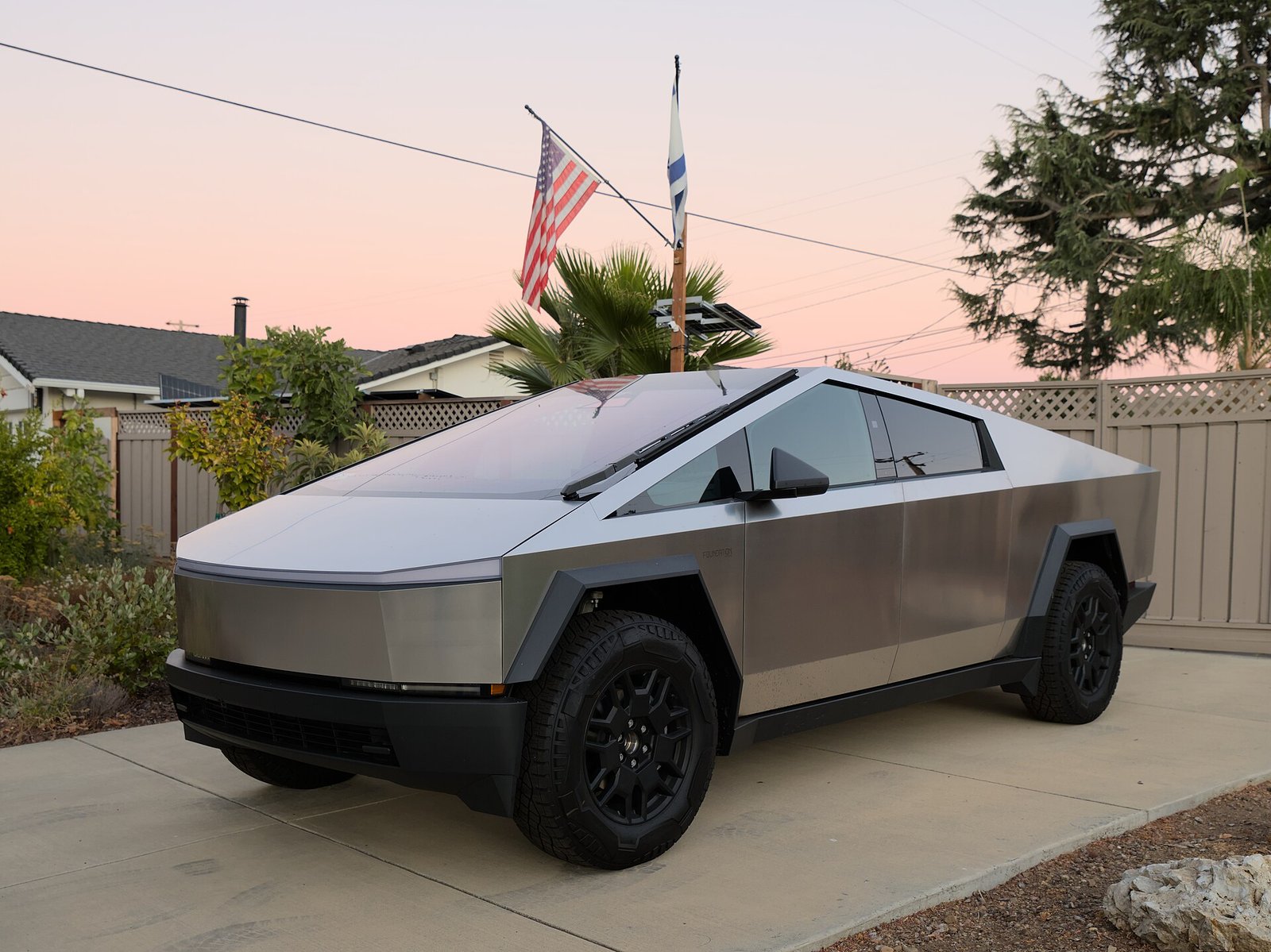
A Reddit user called VGCollectaholic was picking up his new Cyberbeast later today. He wrote that on Friday morning, hours after Elon Musk posted that Tesla will wind down Cybertruck production at its Texas gigafactory around the middle of next year. “Sad,” he wrote. “I’m literally taking delivery of my new Cyberbeast later today.”
Musk’s post was a single sentence. “Tesla will be winding down production of the Cybertruck at Gigafactory Texas around the middle of next year to make room for increased Cybercab production.” He posted no second message with volumes, a final build date, or what happens to orders Tesla cannot fill before then. Tesla’s official accounts had not echoed the post with a separate product note by Friday morning, and the company did not answer a Reuters request for comment. It came a fortnight after Tesla cut its 2026 capital-spending forecast to about $20 billion, from more than $25 billion. Replying to one user, Musk called the truck the “best vehicle Tesla has ever made” and the decision the “end of an era.”
Tesla showed the Cybertruck in November 2019 and promised it from $39,900. Deliveries began four years later, in late 2023. The truck that arrived cost far more than the one that was promised, and its price kept climbing after that. Tesla raised it by $5,000 in August. The dual-motor now starts at $74,990. The Premium All-Wheel Drive is listed at $92,490. The Cyberbeast costs $102,000. At $74,990, the cheapest Cybertruck costs almost twice the $39,900 it was announced at.
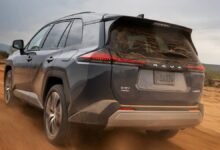
Tesla does not report Cybertruck sales on their own, so the clearest read comes from its “Other Models” category, which held the truck with the Model S and Model X until production of both ended in April. In the third quarter of this year that category delivered 8,295 vehicles, down 48 per cent on a year earlier and its lowest total since 2021. Electrek worked back from Tesla’s own figures. It puts Cybertruck deliveries at 7,000 to 8,000 for the quarter. That is a pace of about 30,000 a year. Tesla built the line for 250,000 a year and lists more than 125,000 units of installed annual capacity for the truck. At that pace it was using about a quarter of what was installed, and about 13 per cent of what was planned. Cox Automotive counts 11,586 Cybertrucks sold in the United States in the first nine months of the year, 1.6 per cent of American electric vehicle sales. The full years tell the same story: 38,965 in 2024, 20,237 in 2025.
Some of those sales were SpaceX Cybertruck purchases. Registration data from S&P Global Mobility, reported by Bloomberg, shows 7,071 Cybertrucks registered in the United States in the last three months of 2025. SpaceX bought 1,279 of them, almost one in five, and xAI, the Boring Company and Neuralink bought 60 more. Without those purchases, registrations would have fallen 51 per cent on the year before. The buying continued into this year, 158 trucks in January and 67 in February, and SpaceX’s own filing with the American regulator says it bought $131 million of Cybertrucks at list price by the end of 2025. The truck’s lead engineer, Wes Morrill, confirmed in October that SpaceX was replacing its ageing petrol support fleet with Cybertrucks.
The Tesla Cybercab taking the truck’s factory space has no buyers yet, and no steering wheel. The Cybercab is a two-seat robotaxi Tesla began charging for in Austin on September 3. The same day, America’s road safety regulator opened a file on how Tesla certified a car with no steering wheel, pedals or mirrors as meeting safety standards written for human drivers. A week later it issued a Special Order: 21 questions to be answered under oath. The sharpest asked about the rule that says a car’s service brakes “shall be activated by means of a foot control.” Tesla asked for eight more weeks and was given 30 days. It answered on October 30, the deadline, and asked the regulator to keep the whole answer confidential. The public docket holds three documents and two of them are empty: a one-page letter saying the file is confidential business information, and a placeholder for the standard-by-standard explanation. The third is a guide for firefighters that has been on Tesla’s website since July. Amazon’s Zoox took the other route for its own steering-wheel-less robotaxi, applying for an exemption in public and getting one capped at 2,500 vehicles a year. Tesla certified its own car and started charging for rides. A second file, opened in October, concerns reports of Tesla robotaxis speeding in school zones. Four incidents are listed. None involved a crash. The regulator has found nothing wrong with the Cybercab, and it has not ruled on the secrecy request. Tesla has published no price for the car, no order page and no delivery date. Lars Moravy, Tesla’s vice-president of vehicle engineering, said on the October earnings call that the company is trying to get Cybercabs to customers by the end of the year. Musk told the same call the car will mostly be owned by Tesla and run as a ride service, not sold to individuals.
On October 22 and 23, Tesla emailed reservation holders in Australia and New Zealand to say plans to produce the Cybertruck for either country had been discontinued, and their reservations would be cancelled. They had waited almost seven years. Deposits of A$150 went down in November 2019, days after the truck was shown, and the order page closed in May 2022 without refunds or a delivery date. Tesla is returning the money within 30 days and offering a free year of its driver-assistance software to anyone who orders a Model 3 or Model Y instead. The truck was never built in right-hand drive, and it remains blocked in the European Union, largely over pedestrian safety. Deliveries began in South Korea late last year and in the United Arab Emirates in January.
The first replies came from people who drive the truck. u/Fullmetalx117, who says he owns one, called it “one of the most iconic vehicles to be released in our lifetimes” and “the most fun car to drive right now imo. Happy to have mine but sad day!” Another owner, u/ReasonableBranch7337, posting on Reddit’s r/Cybertruck, said he could understand the shift if Cybercabs are the future. He still called the truck “one of the most enjoyable vehicles I’ve ever owned.” A lessee, u/S5ESTOELEMENTO, has two years left on his lease. “Now I’m lost,” he wrote. “Buying it is an option but spare parts might be a problem. In the other hand, how do you go from a Cybertruck to literally anything else?” The company’s answer to the parts question came from its lead engineer, in a reply on X: “Yes, of course! Tesla will maintain spare parts and service will continue support.” It is an engineer’s post, not a company statement, and it says nothing about warranties, service networks or what a leased truck is worth when its line closes.
SpaceX’s filing discloses more than trucks. It records $480 million of Tesla battery systems bought in the first nine months of this year, $151 million of it in the third quarter, and says Tesla and SpaceX have each formed special committees to look at a possible merger. No decision has been made. The truck’s biggest customer was already inside Musk’s orbit. The Premium All-Wheel Drive is listed at $92,490. The Cyberbeast costs $102,000.