France’s Strike Wave: What It Means for Macron’s Final Year
Students, unions, and a recession warning as 2027 election approaches
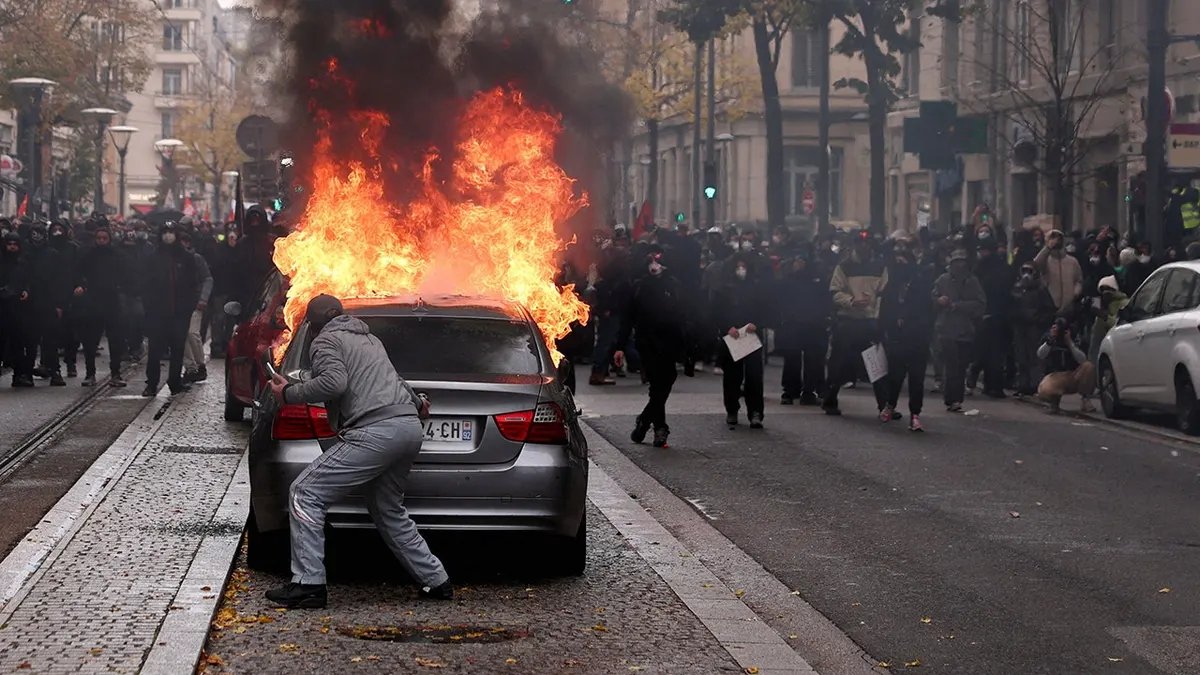
France faced widespread disruption Thursday as labor unions and student groups staged nationwide strikes and protests, drawing hundreds of thousands into the streets to voice anger over stagnant wages, rising living costs, and the state of public services. The demonstrations, which saw 70,000 police officers deployed across the country, are the latest expression of long-standing social and economic tensions in France.
In Paris, the Eiffel Tower closed its doors. In Lyon, riot police used tear gas against protesters, while near Toulouse, a high school was set on fire.
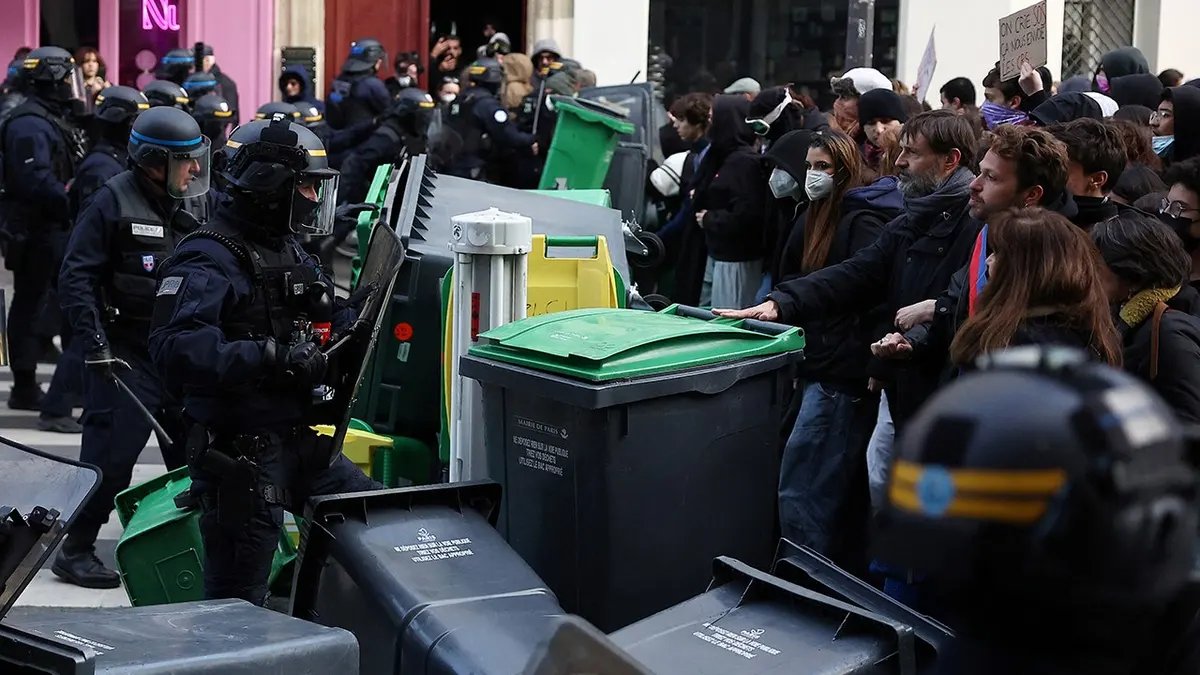


By early Thursday, roughly 270,000 people had joined union actions in 180 rallies outside the capital, according to an official close to Interior Minister Laurent Nuñez. The Associated Press reported that approximately a third of France’s high schools were closed or operating with disruptions, due to student blockades and teacher strikes.
The unrest extended beyond major cities. Authorities in Brittany reported masked individuals attempting to block roads in Rennes and engaging in serious acts of violence, including throwing steel balls at police.
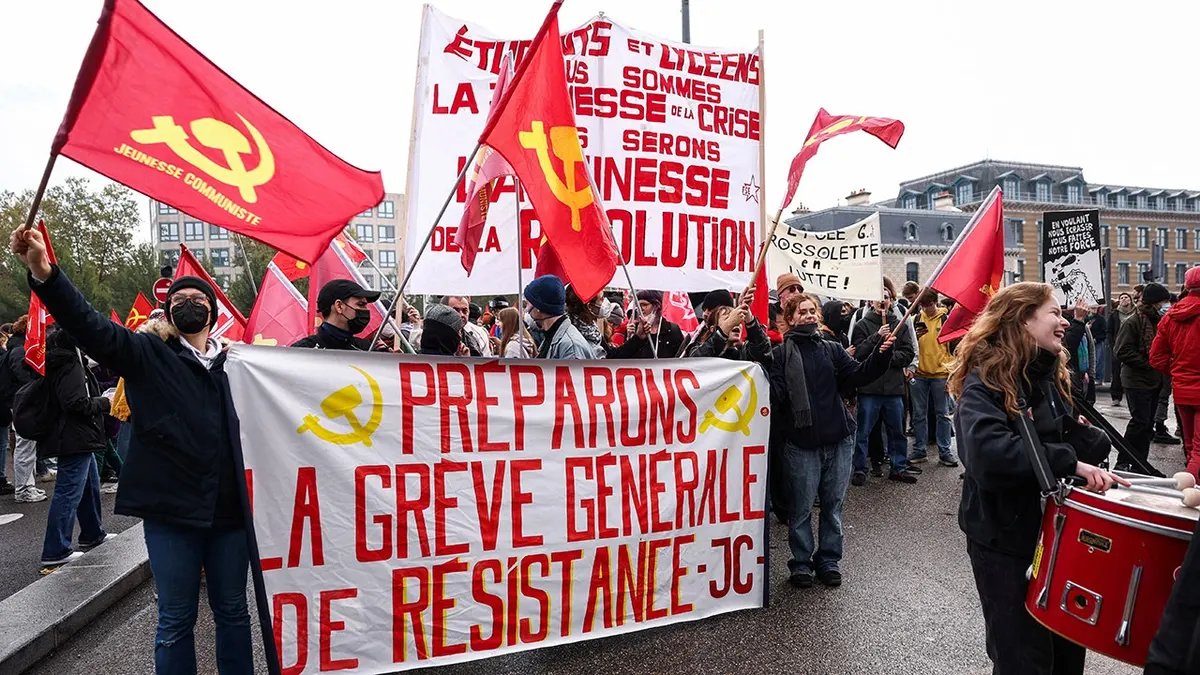
The Confédération Générale du Travail (CGT) called for a significant turnout. Sophie Binet, the CGT’s general secretary, said the unions sought wage increases everywhere and a revision of the government’s proposed budget.
French unions issued a joint statement warning of a looming recession and increasing layoff plans. Fuel, food products, rent, gas, electricity — everything’s going up except wages and pensions, they stated.
President Emmanuel Macron’s administration has consistently faced such challenges. Macron previously attributed violent protests to ultra-left groups whose aim is to bring down the Republic. He has also distinguished between legitimate protest and acts of destruction, while acknowledging public concerns over living costs.
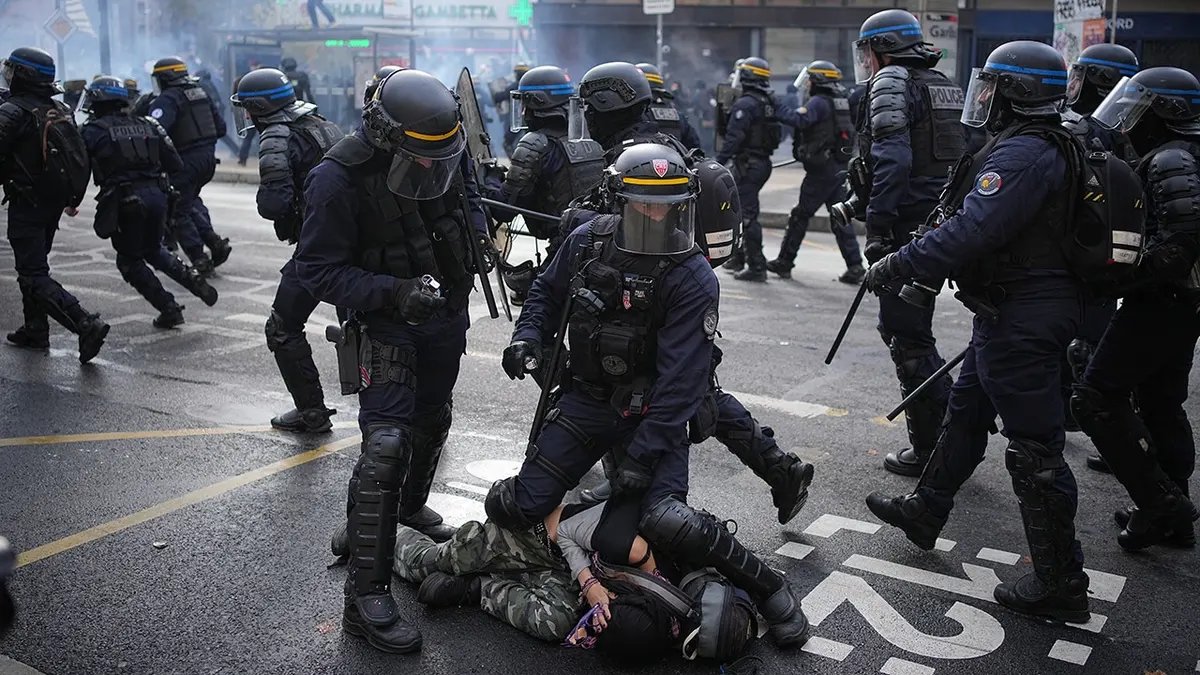
The U.S. Embassy in Paris issued a security alert for Americans in France ahead of the demonstrations. The alert warned of potential disruptions, sudden curfews, and the possibility of violence, advising travelers to avoid protest areas.
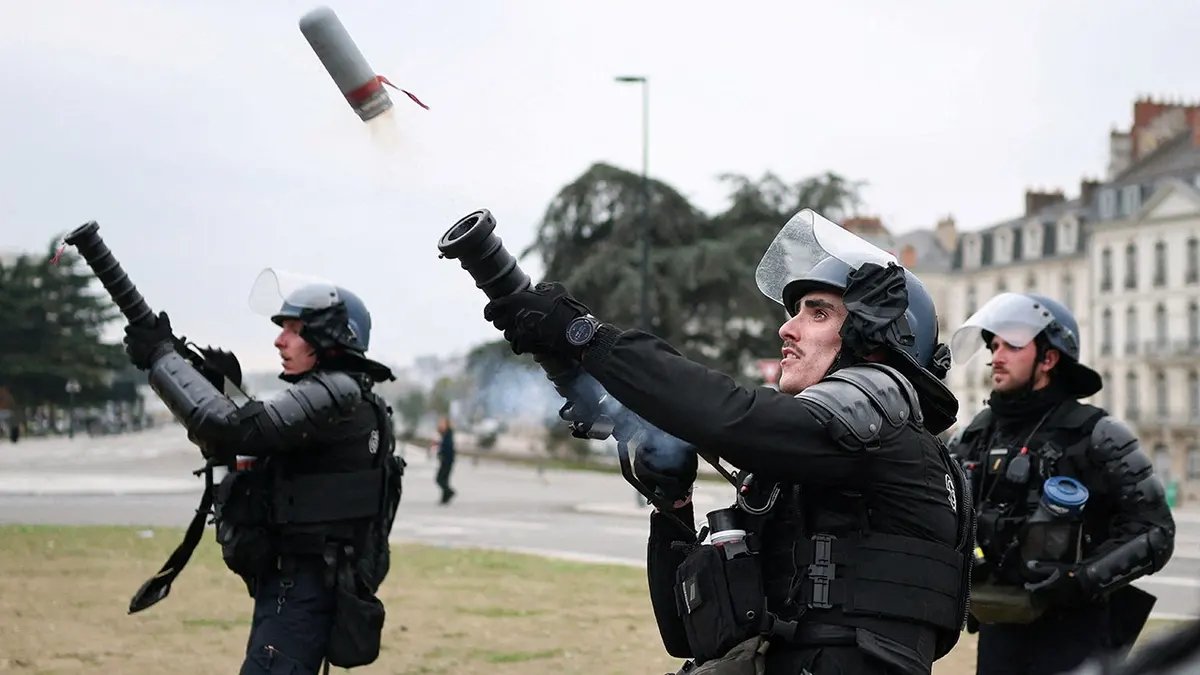
This wave of protests unfolds as the campaign for France’s next presidential election intensifies. Macron, re-elected in 2022, is constitutionally barred from seeking a third consecutive term in 2027.
The unrest could influence the political landscape as parties prepare for the upcoming vote.