Democrats Win Both Chambers in 2026; Texas GOP Reels
Cruz, Abbott, and the GOP reckoning after the blue wave
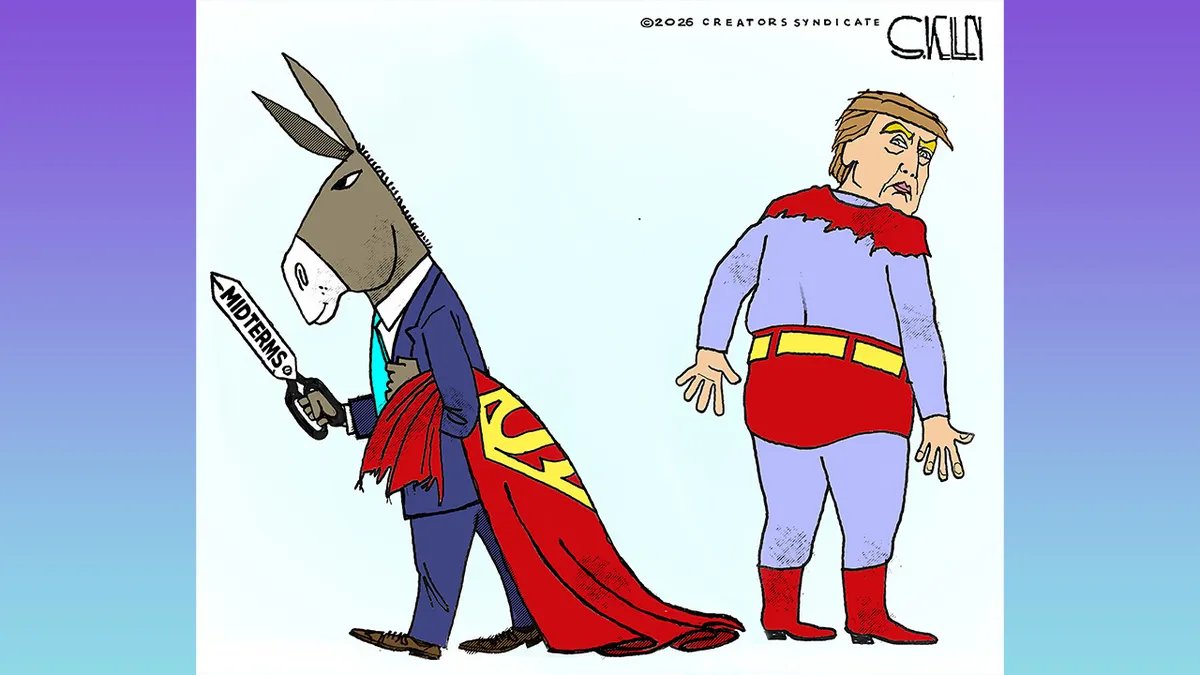
Democrats took control of both the House and Senate in the 2026 midterm elections, flipping seven Senate seats and more than two dozen House seats. The result marks a sharp turn in Washington and a direct rebuke of the Trump administration.
Former Vice President Kamala Harris told Democrats to use the new majorities with a “ruthless” approach. She clarified that meant being “uncompromising” on economic pressure facing working families and holding the administration accountable for what she called “deep-seated corruption,” not cruelty or illegal conduct. Harris has warned against a third impeachment of President Trump, arguing party resources belong to investigations instead, given the absence of enough Senate votes for conviction.
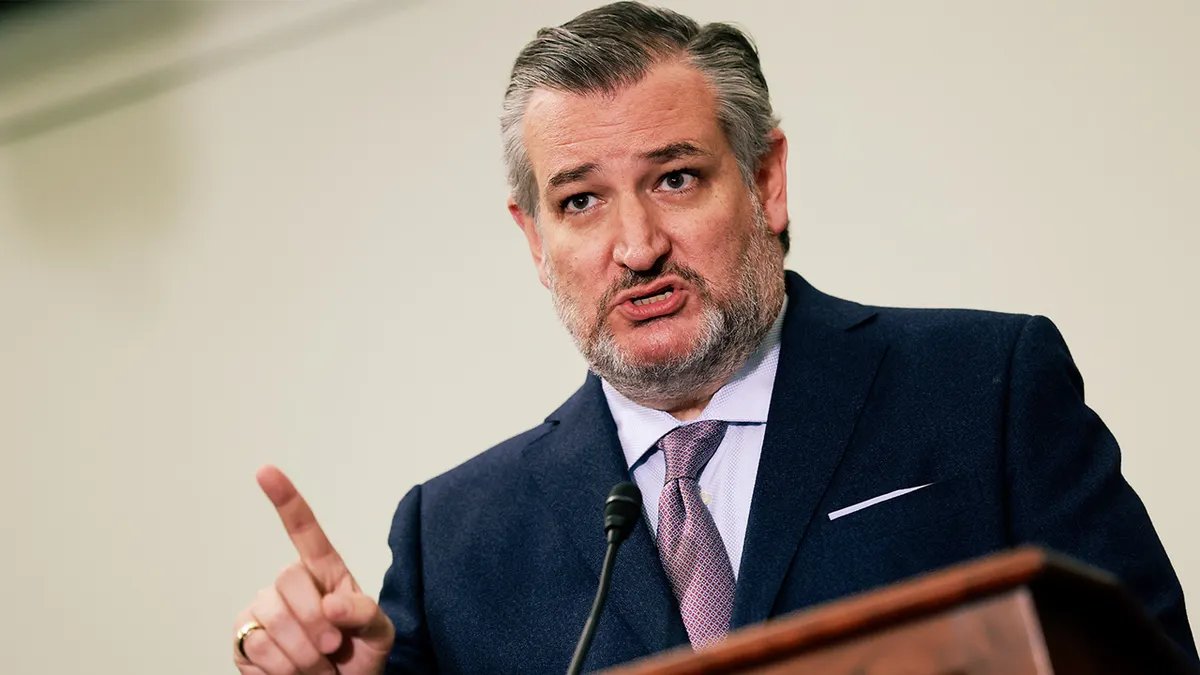
The losses set off an immediate reckoning inside the Republican Party. Senator Ted Cruz of Texas called the outcome a “Watergate-level repudiation” and in a long social media post distanced himself from several administration policies. “Tariffs have made everything too expensive, and the Iran war has dragged on too long,” Cruz wrote. Now the only statewide elected Republican in Texas, he said the party must “rebuild as a true blue-collar party” and promised “Texas will be red again.” He also warned of “two years of relentless impeachment,” subpoenas, and investigations aimed at Trump, his family, and Cabinet members under the new Democratic majority.


Former RNC chair Ronna McDaniel called the defeat a “wipeout” and demanded “real self-reflection” from Republicans, citing the economy, gas prices, and affordability. Vice President JD Vance pointed to the war with Iran, a view President Trump partially acknowledged while also naming rising gas prices as a major problem. Reports say House Speaker Mike Johnson will not seek another term as GOP leader.
The midterms also reshaped state politics, especially around the growing artificial intelligence industry. Democratic gubernatorial candidates who pledged to halt or pause data center development won in key states: Gina Hinojosa defeated incumbent Greg Abbott in Texas, Keisha Lance Bottoms won in Georgia, and Amy Acton took the governorship in Ohio. All three states are major hubs for AI infrastructure.
That sentiment showed up on local ballots too. Voters in at least 38 jurisdictions rejected or restricted data center projects. OpenAI responded on Thursday, November 5, 2026, saying it would cover all electricity and infrastructure costs for future data center campuses it owns and operates. The company also promised greater transparency, including public access to construction details, water management strategies, and an end to nondisclosure agreements with public officials.
Separately, Senator Bernie Sanders introduced the “Artificial Intelligence Data Center Moratorium Act” (S.4214) in March 2026, proposing a nationwide halt on new AI data center construction until comprehensive federal safety laws are enacted. The bill remains in “Proposed” status.
With the sweep driven by voter dissatisfaction over the economy and foreign policy, Washington now faces a period of intensified legislative activity and oversight.