The Trade War’s New Front Runs Through Poultry, Tilapia and Soybeans
The record $133.5 billion surplus landed in the truce month. Underneath it, a second front opened over what the two countries eat.
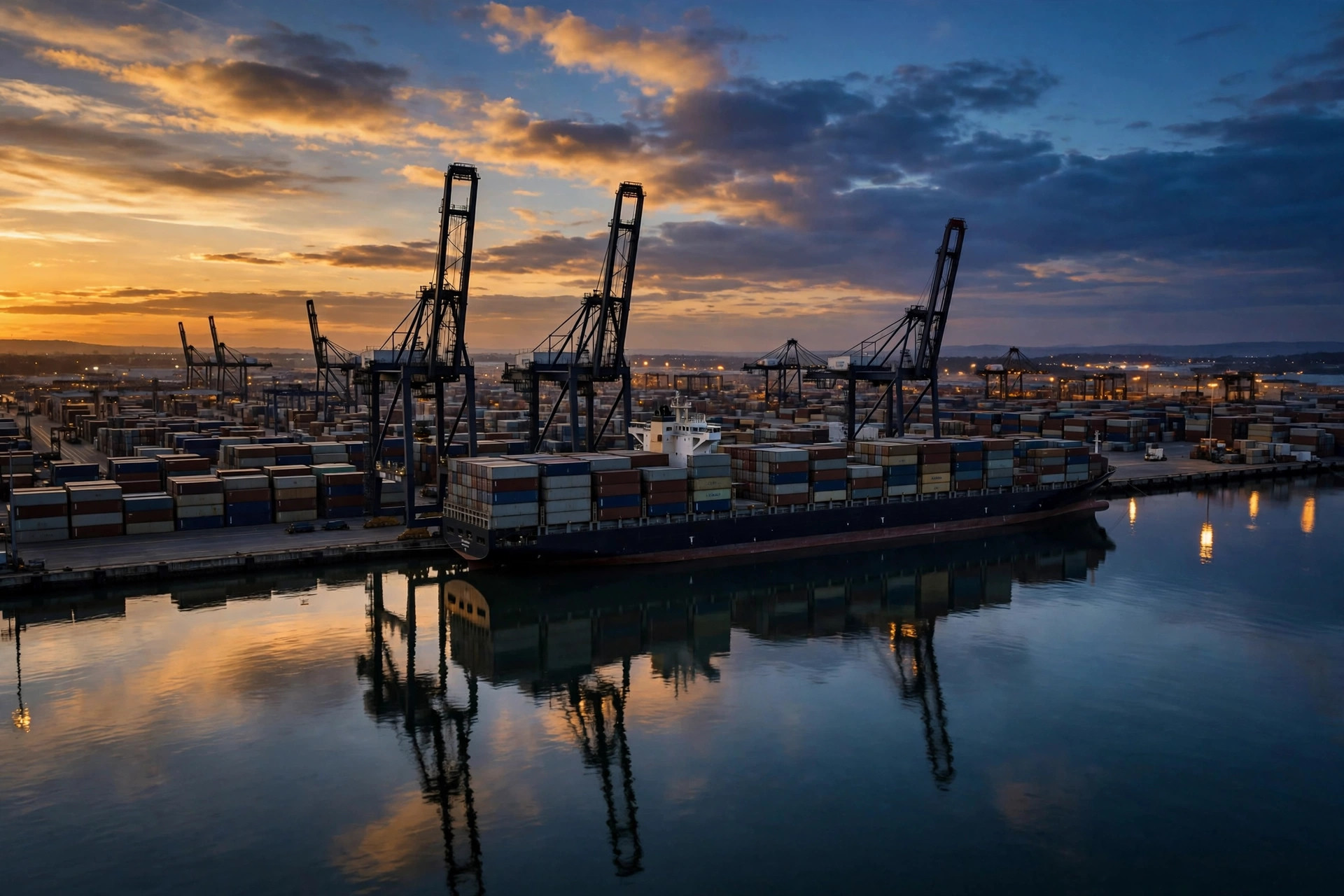
The USDA’s September 18–24 export-sales report listed China as the top buyer of American soybeans: 589,400 metric tons of net sales, 735,400 tons shipped. In one week, Beijing booked nearly 2.4 percent of the 25 million metric tons a year it’s pledged to buy through 2028. The American Soybean Association welcomed the commitment. “We expect those commitments to be fully met,” its president, Ohio farmer Scott Metzger, said in September. In the same statement he named the catch: China’s remaining 10 percent retaliatory duty “limits access for private Chinese importers,” leaving the trade to state-owned enterprises.

September’s headline numbers were the macro story. China’s customs administration reported a $133.5 billion trade surplus, the biggest monthly print since January 2025, on exports up 36.3 percent from a year earlier. It arrived in the month Washington and Beijing rolled back tariffs on $30 billion of goods each and extended their trade truce to January. The friction narrative wrote itself; underneath it, tariffs were redrawing what the two countries eat.
The poultry tariff is the bluntest instrument. Rabobank’s October 22 research puts American pork, seafood, beef and poultry exports to China under tariffs of at least 25 percent. It calls the poultry levy “another setback for an industry that had been hoping to resume trade.” China spent the spring reopening to American chicken state by state, clearing 17 states in May, though the biggest broiler states stayed shut.


A 25 percent tariff on soybeans, sorghum and whey protein, the raw material of Chinese pork, is the deeper cut. Rabobank expects the duties to keep “re-shaping trade flows and placing more pressure on China’s pork production margins,” and its cost model puts the pass-through at 2.3 percent on the average cost price of Chinese pork and 3.8 percent on poultry. Chinese shoppers pay first.
Soybeans were the conspicuous absence from the truce. The late-September “30-for-30” framework cut tariffs across roughly $30 billion of farm goods each way, but bulk soybeans kept their 10 percent duty. Traders say it’s too high for private Chinese crushers to absorb, even as state buyers stepped up purchases. “This was a missed opportunity for the American farmer,” Illinois grower John Bartman told the South China Morning Post. Metzger’s group wants the duty gone so that “more customers in China” can buy American beans; until then, the buying runs through state-owned enterprises.
The seafood trade crosses the Pacific twice. A large share of American Pacific salmon and whitefish is shipped to China for processing and re-exported to the United States, so tariffs bite the same fish in both directions: China’s 25 percent duties on American seafood going in, American tariffs on Chinese seafood coming back. Tilapia, the Chinese farmed export most dependent on the American market, now faces a combined tax of about 37.5 percent, a 25 percent Section 301 tariff plus a 12.5 percent levy, per October trade monitoring. Spring fry stocking ran 40 to 50 percent below prior years.
Canada, Russia, Australia and New Zealand on one side; Indonesia, Thailand, Mexico and Brazil on the other. Those are the winners Rabobank names from the rewiring: the first group positioned to take the high-value crustacean trade into China as tariffs price American exporters out, the second to replace Chinese tilapia, shrimp and squid in the American market. “China could end up losing more than the US in a seafood trade war between the two countries,” the bank’s analysts wrote, pointing to the Chinese tilapia industry’s heavy dependence on the American market. November soybean futures closed at 1,244 cents a bushel on October 22, a ninth straight down session, against a record American crop estimate of 124 million tons.