GM Slows EV Spending to Fund $20 Billion Buyback and V8 Trucks
A $20 billion share repurchase and expanded V8 truck production signal a strategic retreat from near-term electrification targets.

General Motors is pulling capital away from its electric vehicle ambitions to fund a massive share repurchase program and double down on internal combustion engines. The Detroit automaker approved a $20 billion stock buyback, according to the Financial Post, signaling to Wall Street that returning cash to shareholders now takes priority over accelerating its battery-powered transition.
The pivot arrives alongside third-quarter earnings that beat prior-year metrics. GM reported revenue exceeding $50 billion and adjusted earnings before interest and taxes of $4.1 billion, according to GM Authority. Adjusted diluted earnings per share climbed 32% year over year to $3.70. Automotive free cash flow hit $5.9 billion for the quarter, the highest figure in four years. Management raised its full-year adjusted EBIT guidance from $14.5 billion to $15.5 billion and lifted automotive free cash flow expectations from $11.5 billion to $12.5 billion.


Chair and CEO Mary Barra told shareholders the company is navigating “growing inflationary pressures through strategic investments in new products and services, and through improved quality and operating efficiency.” She credited the results to internal “agility, teamwork, and commitment.”
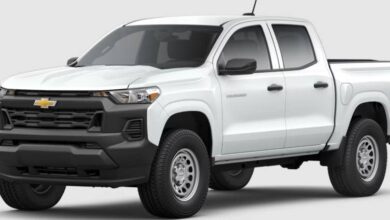
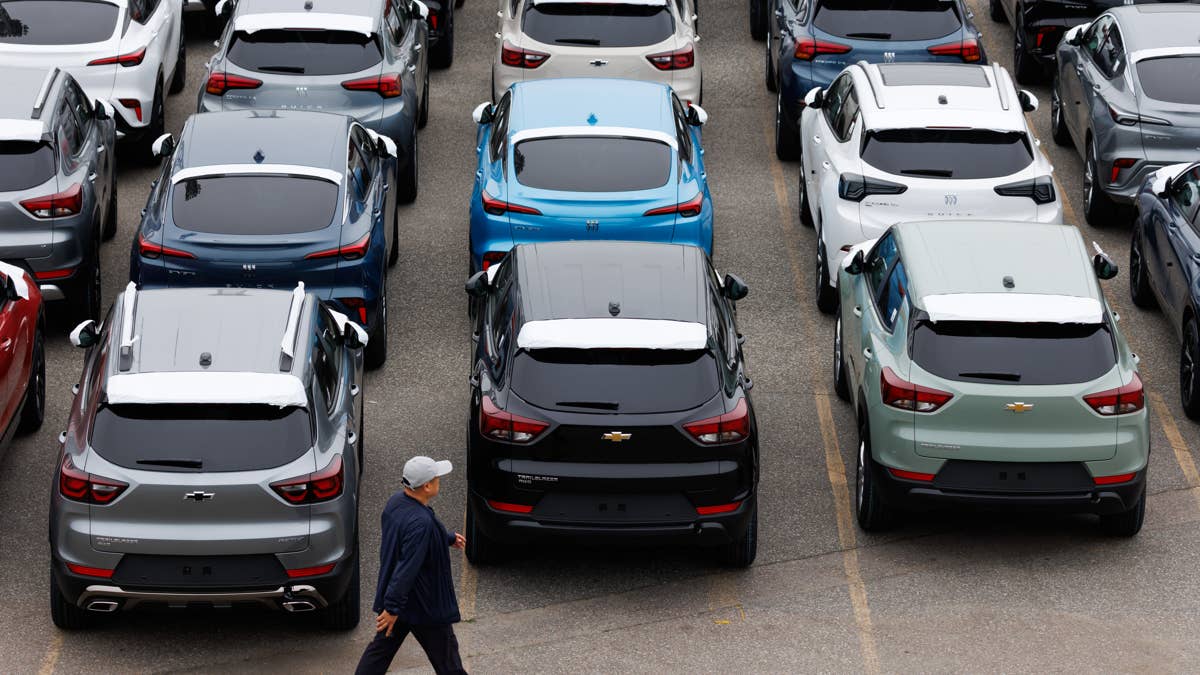
That agility means reining in EV investment plans into 2027. Instead of pouring money exclusively into electrification, GM is expanding factory output for its most profitable segments: full-size trucks and high-volume crossovers. Production capacity will increase for models including the Cadillac Escalade, Chevrolet Tahoe, Chevrolet Suburban, and GMC Yukon. Assembly lines will also turn out more Chevrolet Equinox, Chevrolet Blazer, and Cadillac XT5 units. A new Buick crossover is scheduled to enter production at the Fairfax plant.
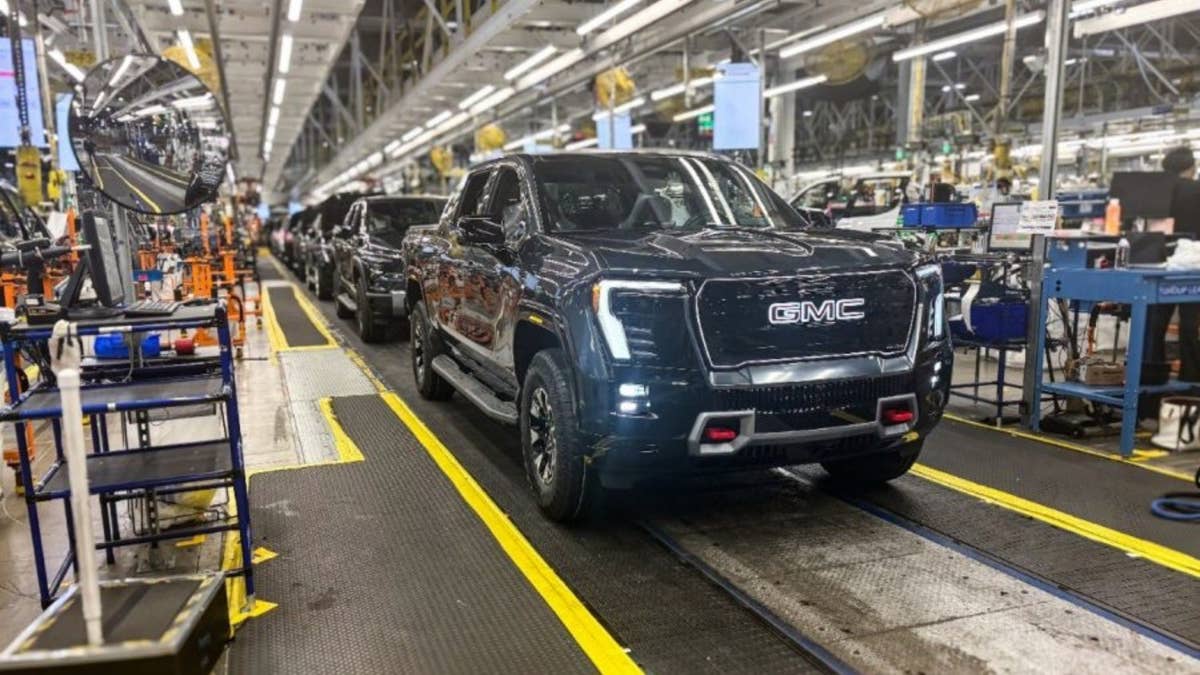
The 2027 model year will feature a redesigned Silverado equipped with an updated V8 engine. This stands in sharp contrast to the broader industry narrative of phasing out large-displacement gasoline engines. Ford Motor Co., GM’s primary domestic rival, has similarly leaned heavily on high-margin combustion trucks like the F-150 to subsidize its own costly EV ventures after facing investor pushback over mounting losses in its Model e division.
Beyond sheet metal, GM is targeting margin expansion by cutting costs tied to warranty claims, commodities, and onshoring logistics. The company also expects adjacent business units—specifically the OnStar telematics service, Super Cruise hands-free driving technology, and the GM Defense contracting arm—to deliver stronger financial contributions next year.
The $20 billion buyback authorization follows previous repurchase programs GM deployed to support its stock price during periods of heavy capital expenditure. By pairing aggressive cost management with increased output of traditional high-margin vehicles, the automaker is structuring its balance sheet to weather a slower-than-expected consumer shift toward battery-electric models.