Pokémon Targets London for First Permanent Store Outside Asia
A planned 2029 opening follows years of temporary pop-up testing across European markets
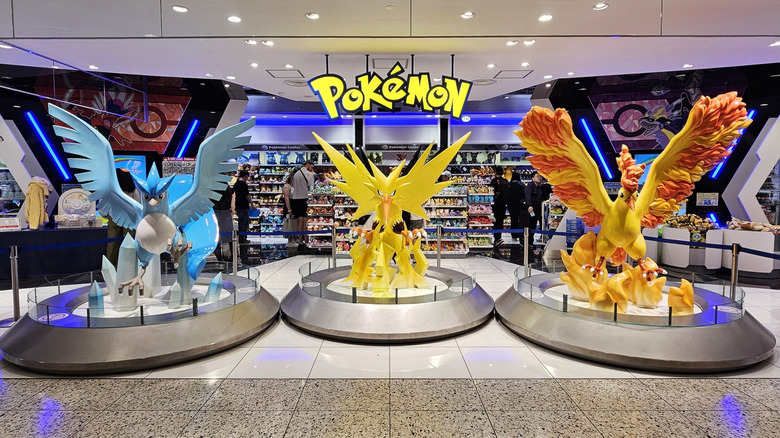
The Pokémon Company is preparing to establish permanent retail operations outside Asia, starting with a storefront in London scheduled to open by 2029. The move marks a structural shift for the franchise, which has historically confined its brick-and-mortar footprint to Japan and other Asian markets while relying on temporary installations elsewhere.
Gaku Susai, chief product and experience officer at The Pokémon Company International, confirmed the London expansion and stated the company plans to announce additional physical locations at a later date. No specific cities beyond London have been named.
This will not be the brand’s first attempt at Western retail. Pokémon Center New York opened at Rockefeller Center in 2001. It closed four years later and was converted into Nintendo World, a broader flagship store for the parent company’s hardware and software divisions. That pivot reflected an era when standalone merchandise shops carried significant overhead risk for gaming properties.


The financial calculus has since changed. Pokémon generates more annual revenue than most traditional entertainment conglomerates. The franchise’s reliance on limited-edition merchandise drops — trading cards, apparel, and collectibles that routinely sell out online within minutes — makes controlled physical distribution points highly lucrative. Direct-to-consumer retail also bypasses third-party licensing margins.
London has functioned as a testing ground for this strategy. The company operated a pop-up shop at the Natural History Museum earlier this year, according to the announcement. Similar temporary retail spaces have accompanied the Pokémon European International Championships during past tournaments. These short-term activations generated localized demand data without requiring long-term commercial leases.
The new permanent location will stock exclusive merchandise unavailable through standard wholesale channels, The Pokémon Company said. This mirrors the inventory model used by existing Pokémon Center stores in Japan, where region-specific goods drive both domestic foot traffic and international tourism spending.