Russia Agrees to Post-Election Talks as Zelenskyy Seeks Ceasefire
Putin sets a post-midterm timeline for diplomacy while Kyiv faces hourly strikes and pushes for security guarantees.
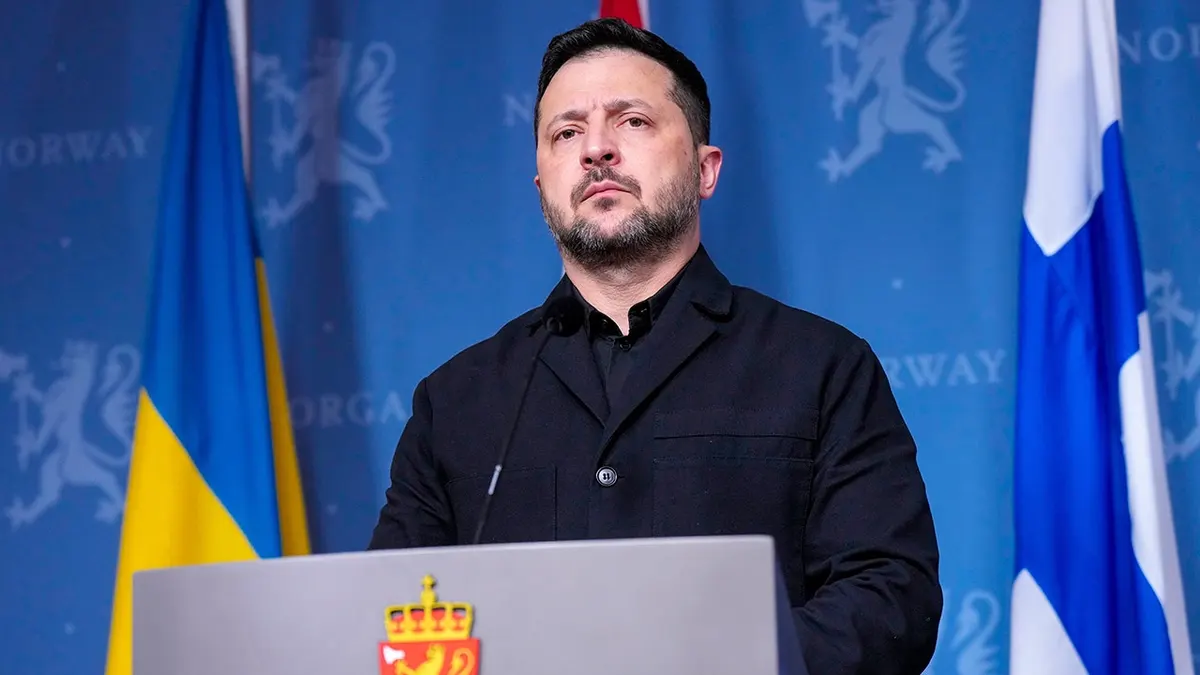
Russian President Vladimir Putin agreed “in principle” Wednesday to resume trilateral negotiations with the U.S. and Ukraine after Nov. 10, according to Putin’s foreign affairs adviser Yuri Ushakov, The Associated Press reported. The timeline places any formal diplomatic engagement squarely after the U.S. midterm elections, a delay that aligns with Moscow’s long-standing strategy of waiting out Western political cycles before committing to binding terms.
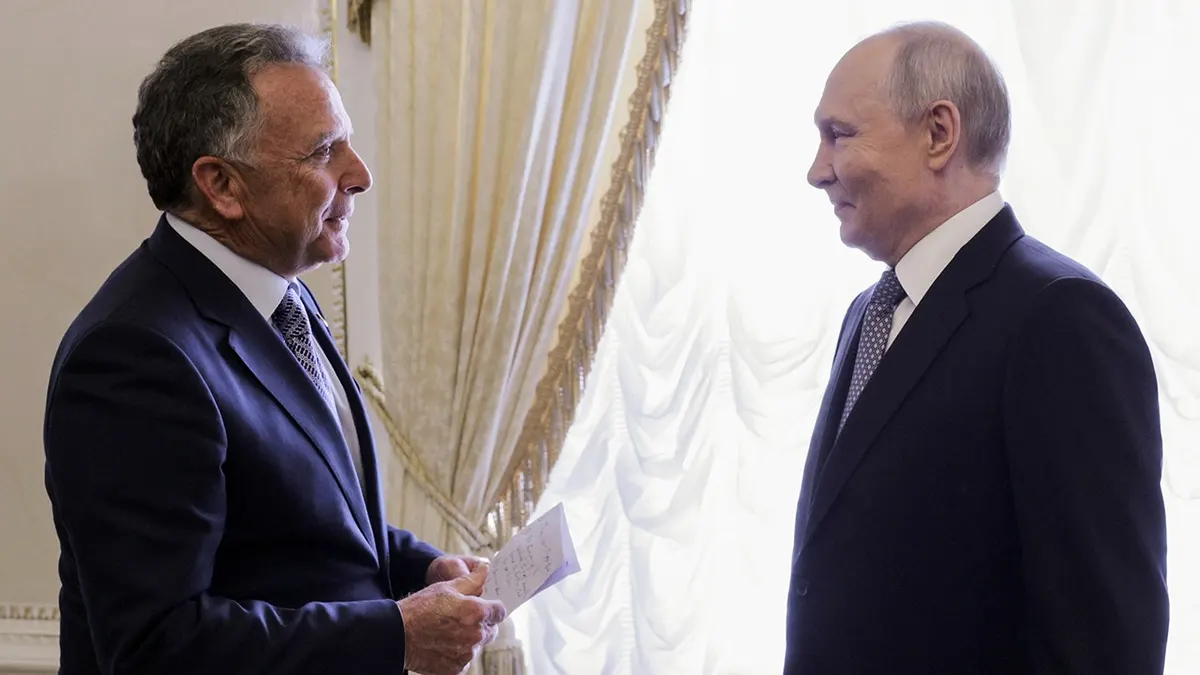
The agreement to return to the table emerged on the same day Trump administration special envoy Steve Witkoff met directly with Putin at the Konstantin Palace in Strelnya, outside St. Petersburg. That meeting also secured the release of Stephen Hubbard, a retired American teacher imprisoned by Russia on charges of fighting as a mercenary in Ukraine.

Moscow’s conditional acceptance of talks contrasts sharply with its public posture just days earlier. Russian Foreign Minister Sergey Lavrov told the Interfax news agency last week that “there will be no ceasefire to bring him back to his senses and pump him full of weapons,” explicitly rejecting any pause in hostilities that Kyiv could use for military reconstitution. Setting the negotiation date past Nov. 10 effectively bypasses the immediate demand for a battlefield halt while keeping diplomatic channels open under Kremlin-controlled scheduling.
Ukraine is signaling it will accept those terms. President Volodymyr Zelenskyy told “Fox & Friends” host Brian Kilmeade on Wednesday that freezing the current front lines is now a viable path forward. When asked if he would accept a deal leaving Russia in control of roughly 25% of Ukrainian territory, Zelenskyy replied, “Yes, right now, we have to freeze.” He characterized the proposal as the “minimum of what we need from Russia today” and said Kyiv would subsequently press Washington and European capitals for security guarantees.
Zelenskyy framed the concession around demographics rather than geography. He cited 9.5 million displaced Ukrainians currently abroad, arguing that halting the violence is the only way to bring them back to rebuild the country.
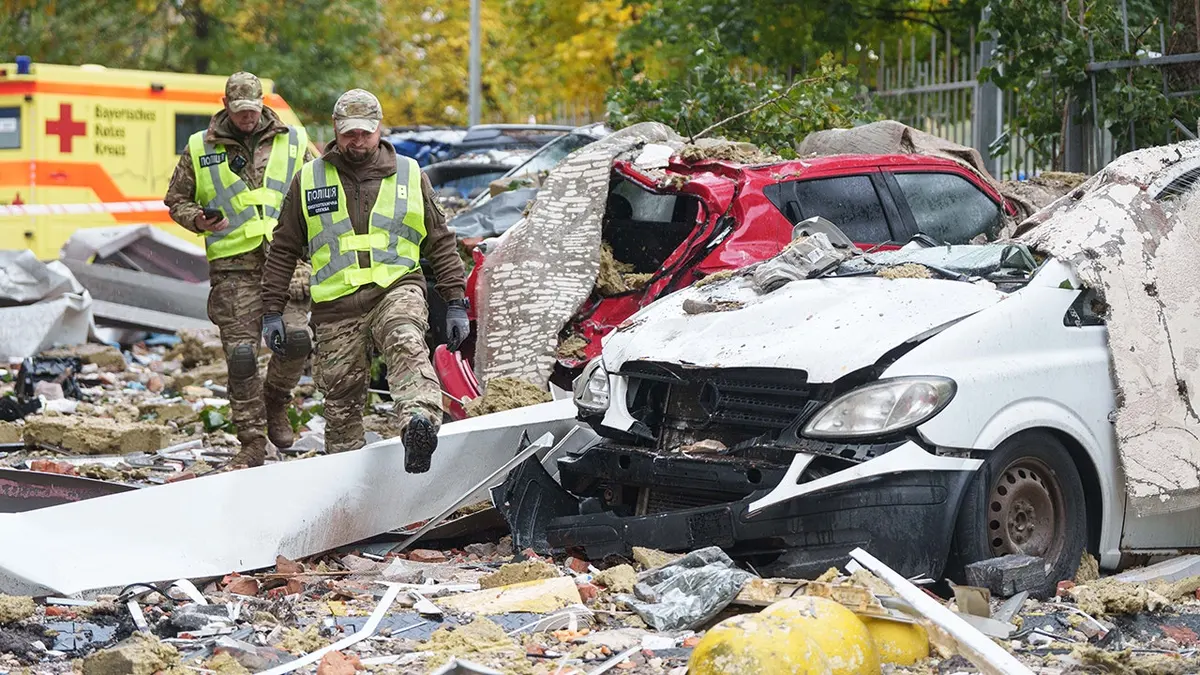
The infrastructure damage driving that displacement continues to compound daily. “Russia strikes our country virtually every hour,” Zelenskyy wrote Wednesday on X. In a separate post on the platform, he noted, “We are not losing this war. But we are losing people.”
Hours after those posts went live, Russian drones struck a multi-story residential building in Kyiv, destroying vehicles in the courtyard. The Oct. 21 attack underscores the operational reality facing negotiators: diplomatic timelines set for mid-November leave Ukrainian cities exposed to weeks of continued bombardment before any potential trilateral framework takes shape.