Theranos Fraud Facts vs. A24’s $15M Documentary Hit
John Carreyrou praises A24’s box-office hit while warning audiences about the omitted details of the Theranos legal intimidation campaign.

A24’s “You Can See Everything” hauled in an estimated $15 million during its opening weekend, securing the second-largest debut for a documentary in box office history. But as audiences flock to watch comedian Nathan Fielder spend 34 days living in Elizabeth Holmes’ guest house before her prison reporting date, the journalist who dismantled Theranos is drawing a hard line between cinematic art and documented fraud.
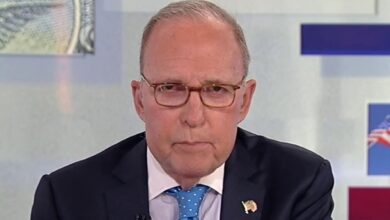
John Carreyrou, whose 2018 book “Bad Blood” topped the New York Times bestseller list, told the New York Times’ “Hard Fork” podcast that he has watched the film twice. The first viewing took place at a private screening at A24’s Manhattan offices. He praised the documentary’s structure and what he called its “meta-thinking.”
“The film is a great piece of art, but let’s not confuse that art with the underlying facts,” Carreyrou said in a statement to Fortune. He posted on X that the project deserved best picture consideration, while simultaneously warning viewers that it omits the aggressive legal machinery Holmes deployed to bury his original reporting.


That machinery targeted more than journalists. Theranos’ lawyers leveled litigation threats against whistleblowers Tyler Shultz and Erika Cheung. “I was threatened with litigation on a daily basis for months on end,” Carreyrou wrote on X. “It was a ruthless cover-up of a breathtaking fraud, and she was at the controls.”
The fraud itself centered on claims that Theranos devices could run hundreds of medical tests using only a few drops of blood obtained via finger prick. According to the Justice Department, the machines performed a limited number of tests, frequently generated unreliable results, and often required conventional methods or larger blood volumes. Holmes also falsely told investors that major pharmaceutical companies had validated the technology, projecting $1 billion in revenue for 2015 while knowing actual returns would be negligible, the Justice Department said.
Carreyrou detailed how Holmes attempted to kill his initial Wall Street Journal investigation by appealing directly to Rupert Murdoch, the newspaper’s billionaire owner and a Theranos investor. Theranos lawyers later confronted Carreyrou at the Journal’s offices in a meeting lasting roughly five hours. Carreyrou now works as a reporter at the New York Times.
Watching Fielder politely question Holmes about her wrongdoing frustrated him. “I would have liked to jump in and grab the mic from Fielder, and drill down a little bit more, and not be so polite,” Carreyrou said on the podcast.
Shultz, whose grandfather, former Secretary of State George Shultz, served on the Theranos board, told CBS that despite Holmes’ denials, “she knows she did something wrong.”
“She created this whole web of lies that you would not have needed to create if you actually believed the lies,” Shultz said.
Holmes was convicted in 2022 of three counts of wire fraud and one count of conspiracy to commit wire fraud for deceiving investors. She received a sentence of just over 11 years in prison, and she and former boyfriend and business partner Sunny Balwani were ordered to pay $452 million in restitution. A federal appeals court upheld the conviction last year. In March, a federal judge reduced her sentence to 10 years and three months following changes to federal sentencing guidelines. She is scheduled to transfer to a halfway house in 2027, with release slated for 2030.