Europe’s EV Sales Surge Collides With France-Germany Push to Weaken Emissions Mandates
Record 32.6% market share collides with Franco-German bid to soften 2025 CO2 mandates
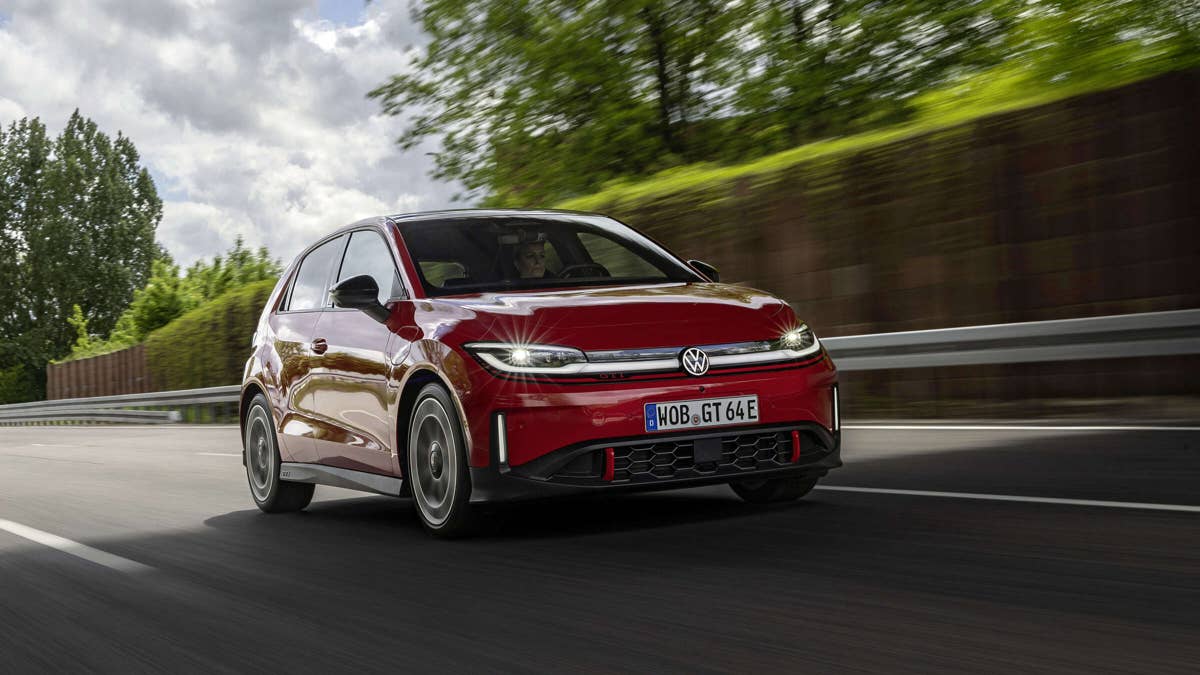
Europe’s battery-electric vehicle registrations jumped 70.3 percent year over year to 300,202 in September, pushing the fully electric share of new-car registrations to 32.6 percent across 17 markets, according to data compiled by Reuters. The surge coincides with a coordinated effort by France and Germany to soften proposed EU fleet-emissions rules for 2025, creating a paradox: record adoption is being cited as evidence that mandates can be relaxed.
Germany recorded 88,724 BEV registrations in September, a 34.6 percent market share. France followed with 65,243 units and a 41.7 percent share. The Nordic bloc remained far ahead — Norway at 98.8 percent, Denmark at 88.8 percent, Finland at 62.7 percent, Sweden at 49 percent — while Italy (7.6 percent), Poland (6.2 percent), and the Czech Republic (11.2 percent) lagged. Year-to-date BEV registrations reached 1.98 million, up 38.1 percent versus the same period in 2024.
The France-Germany position, agreed last month, argues that automakers need flexibility to avoid fines while the charging network and affordable model range catch up. Critics counter that the September numbers — driven by fleet renewal cycles, expanded model availability, and sustained subsidy programs in both countries — prove the current targets are working. The European Automobile Manufacturers’ Association has warned that weakening the 2025 CO2 standards would reduce investment certainty for battery production and charging infrastructure.

Subsidy dependency remains a structural risk. Germany’s environmental bonus expired in December 2023; France’s ecological bonus was trimmed in February 2024. Both markets still benefit from corporate-fleet tax advantages that skew registration data toward company cars rather than private buyers. In Italy and Poland, where purchase incentives are minimal and average incomes lower, the price gap between electric and combustion models remains the primary barrier.
Automakers have responded by launching entry-level EVs — Citroën ë-C3, Fiat Grande Panda, Renault 5 E-Tech — priced below €25,000 before incentives. Fleet operators, which account for roughly 60 percent of new registrations in Germany and France, are accelerating electrification to meet corporate sustainability targets and benefit from favorable benefit-in-kind taxation. That fleet-driven demand masks softer retail appetite in several markets.
The European Commission has not yet responded to the Franco-German proposal. A decision is expected before the 2025 compliance period begins in January. If the rules are weakened, analysts at Transport & Environment estimate it could delay mass-market price parity by two to three years. If they hold, the September surge suggests the industry is already on track to meet them.