Tether Bets $15M on Mural to Power AI Agent Payments
The stablecoin issuer is targeting infrastructure for autonomous AI agents executing continuous global transactions.
Tether, the issuer of the world’s largest stablecoin, is positioning itself at the center of a nascent market: financial infrastructure built specifically for artificial intelligence agents. The company led a $15 million Series A funding round into New York-based payments startup Mural, according to an announcement Tuesday.
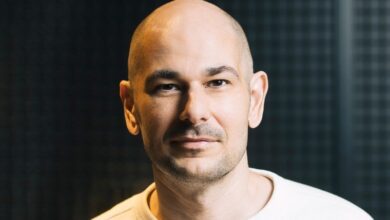
The investment signals a strategic pivot for Tether beyond retail crypto trading and remittances. CEO Paolo Ardoino told Fortune in a written statement that autonomous AI agents will soon require payment systems operating continuously across global jurisdictions. “Those agents will need access to payment systems that operate around the clock and can reach people across the world,” Ardoino said.
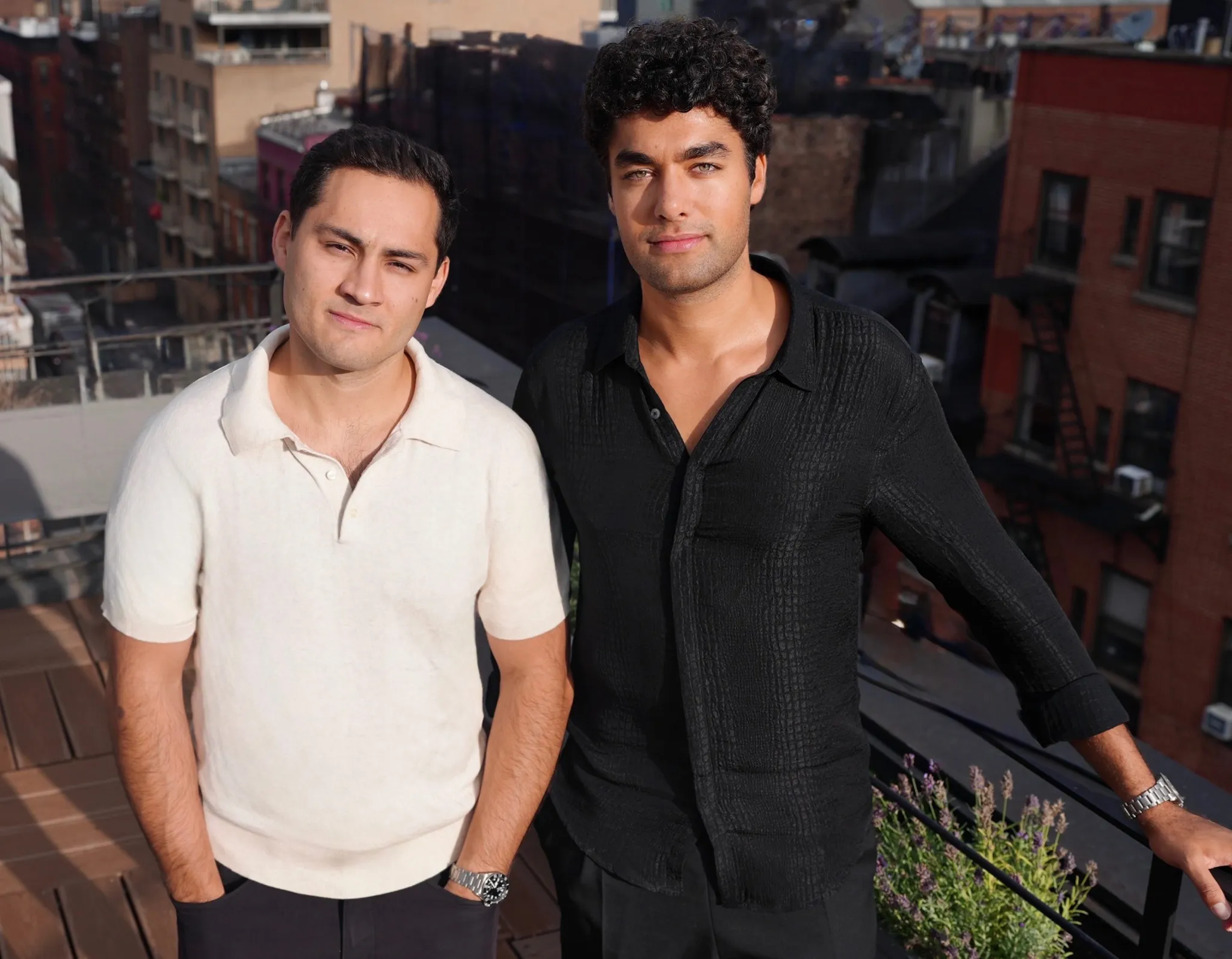
Mural provides a single account structure allowing businesses to hold U.S. dollars, local fiat currencies, and stablecoins simultaneously. The platform targets payroll providers, software companies, and fintechs attempting to bypass fragmented networks of correspondent banks and regional payment processors. CEO Sinclair Toffa described the product to Fortune as a “compliant system of record” enabling other firms to build financial products directly on top of it.


North Island Ventures also participated in the round, which brings Mural’s total capital raised to $28 million. That figure includes a $5 million seed round in 2022 and earlier pre-seed financing. Mural declined to disclose its current valuation.
Stablecoin issuers have increasingly sought enterprise utility to insulate themselves from cryptocurrency market volatility. Cross-border stablecoin flows reached $220 billion between July 2025 and June 2026, a 78% increase from the prior year, according to blockchain analytics firm Chainalysis. Total stablecoin payment volume hit roughly $400 billion in the first eight months of 2026 alone, per a report from consulting firm Alvarez & Marsal.
For Tether, backing infrastructure startups offers a mechanism to embed USDT deeper into automated commerce. If AI agents begin executing cross-border transactions independently—paying international contractors, settling supply chain invoices, or managing treasury functions—the underlying rails must support instant, low-cost settlement without traditional banking hours.
Toffa and co-founder Chris Fernandes previously worked as software engineers at Palantir’s London office, where they specialized in integrating incompatible enterprise computer systems. Toffa told Fortune his focus on cross-border friction traces back to visiting relatives in Togo at age 15, where he learned remittances from the U.S. routinely took weeks and carried fees up to 20%.
Mural currently employs 30 people. While headquartered in New York, the company maintains offices in Denver and Bogotá, Colombia, with additional staff distributed across Argentina, Chile, Ecuador, and Mexico.