AI Memory Squeeze Could Push Budget PC GPUs Below PS6
Supply chain pressures from AI data centers threaten to extend the budget GPU release cycle to four years, reshaping the PC-versus-console debate.
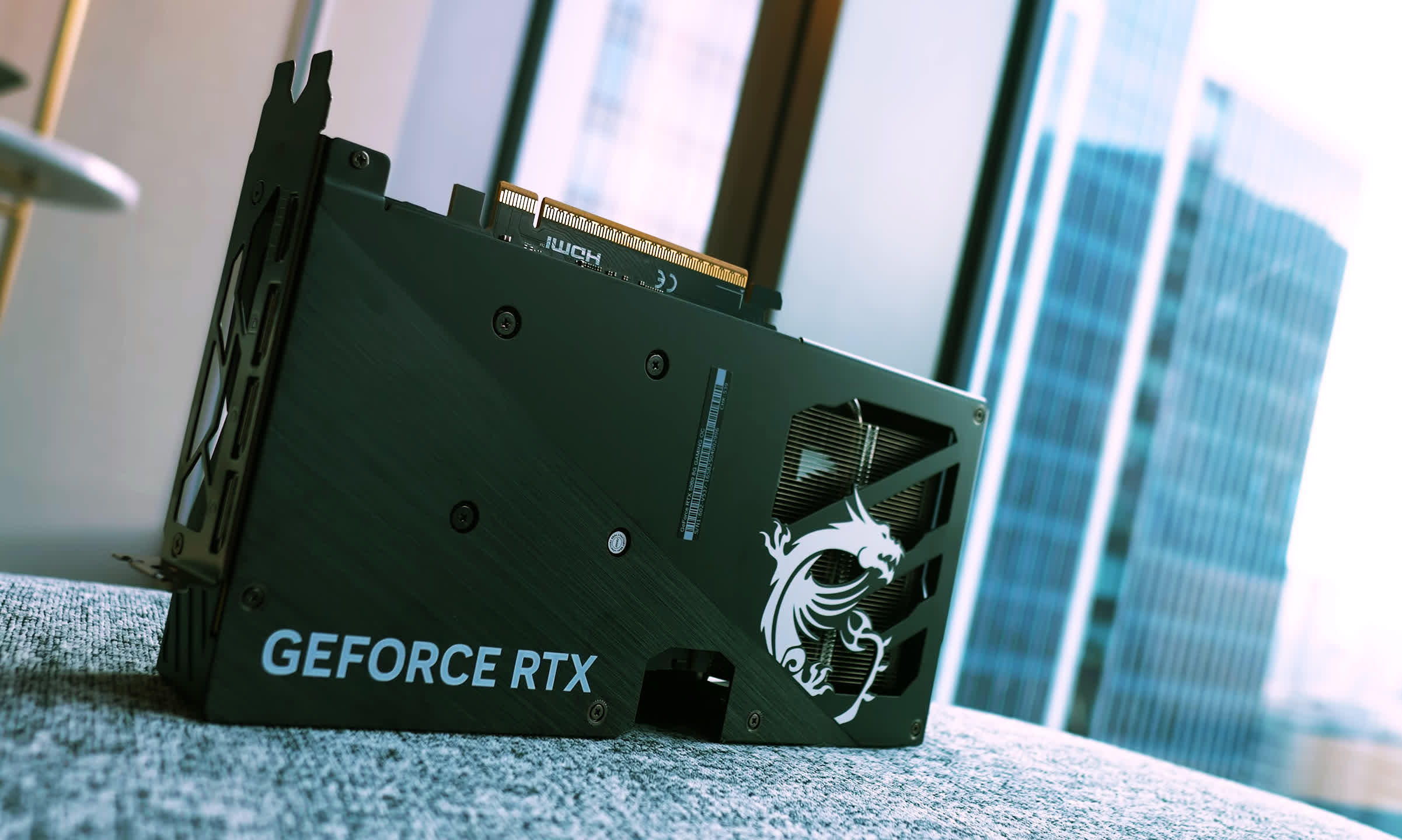
The global race to build artificial intelligence data centers is quietly dismantling the economics of entry-level PC gaming. As memory manufacturers prioritize high-margin AI infrastructure, the traditional two-year cadence for consumer graphics card releases has fractured, threatening to leave mainstream PC hardware trailing behind next-generation consoles in both availability and raw performance.
Nvidia’s RTX 6060, the company’s expected budget-tier GPU, might not reach retail shelves until 2029, according to prominent leaker Kepler_L2. The projected delay stems directly from DRAM and NAND supply constraints driven by the AI sector’s insatiable demand for memory. If accurate, the timeline would stretch the generational release gap to nearly four years, a sharp departure from the historical average of just over two years.
This bottleneck is already distorting current market pricing. Some RTX 5090 listings have approached the $10,000 mark, prompting Nvidia to publicly deny reports that it plans to discontinue the flagship card. The shortages may have also forced the company to delay its previously rumored RTX 50 Super series, originally slated for a mid-2026 debut. Those refreshed cards could now arrive late this year or sometime next year, positioned primarily to compete with a single high-end AMD RDNA 5 GPU.


A delayed RTX 6060 fundamentally alters the competitive dynamic between PC builders and console buyers. Kepler believes Sony’s upcoming PlayStation 6 will launch before Nvidia’s budget card arrives, carrying a distinct performance advantage. Historical precedent supports this trajectory. When the RTX 3060 launched roughly two months after the PlayStation 5, the console’s graphical output was comparable to slightly more powerful PC cards, as noted by TechSpot.
If the RTX 6060 follows the modest performance scaling observed across recent generations of mainstream GPUs, Kepler estimates it could land somewhere near the RTX 5060 Ti or RTX 4070. By contrast, industry speculation points to the PS6 utilizing 40 to 48 RDNA 5 compute units, potentially pushing its graphical capabilities closer to an RTX 5070 Ti.
Memory costs remain the critical variable for both platforms. Kepler recently pegged the bill of materials for the PS6’s memory and storage alone at $680, a figure that likely pushes the console’s final retail price well past $1,000. How those same shortages will impact the RTX 6060’s eventual pricing is unclear. The current RTX 5060 launched with a $300 MSRP but now sells for around $470 on the open market.