Raiders’ Trade Deadline Math: Protecting Mendoza vs. Chasing Wins
GM John Spytek must balance immediate roster upgrades against preserving draft capital for rookie quarterback Fernando Mendoza.
The Las Vegas Raiders sit at 3-3 following a 33-30 loss to the Buffalo Bills on Sunday, but the math facing general manager John Spytek ahead of the Nov. 10 trade deadline is less about salvaging this season than protecting next year’s.
Fernando Mendoza, the first overall pick in the 2026 NFL Draft, has not yet taken over as the full-time starter. Kirk Cousins remains under center, connecting with Tre Tucker for two touchdowns against Buffalo while averaging 27 points per game across six contests under offensive coordinator Klint Kubiak. Yet the infrastructure surrounding the quarterback position remains fragile. Spencer Burford has struggled in pass protection. The right guard rotation required recent adjustments. Only center Tyler Linderbaum and left tackle Kolton Miller offer reliable stability up front.
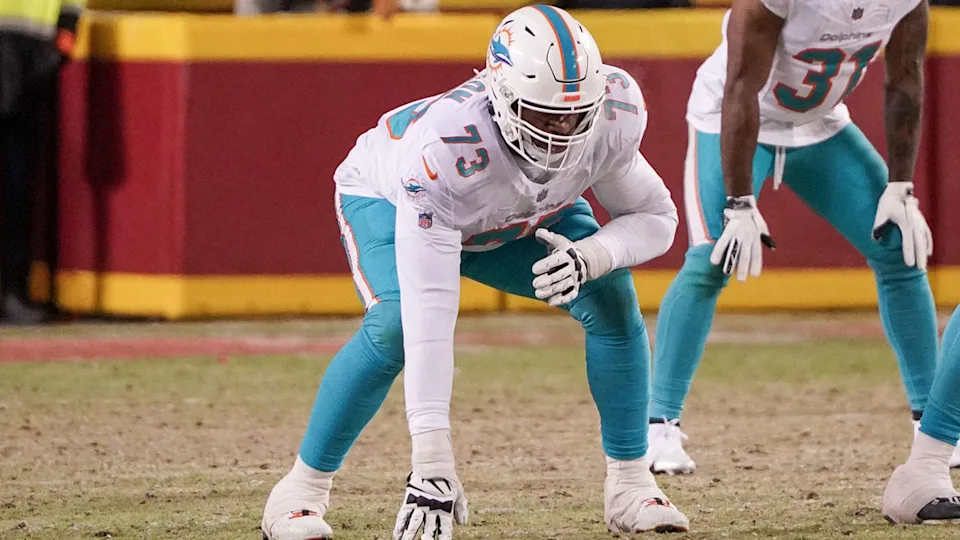
This creates a specific financial and strategic dilemma for Spytek. Acquiring veteran offensive linemen now means paying a premium to protect a backup quarterback in Cousins, with the actual return on investment deferred until Mendoza takes the field. Miami Dolphins offensive tackle Austin Jackson represents the type of asset that could bridge this gap. The 27-year-old has extensive starting experience in a scheme emphasizing movement, and Miami’s disappointing start has generated speculation about veterans whose futures are uncertain as the franchise evaluates younger options. But any trade for Jackson requires careful salary cap navigation from a front office that already invested heavily in rebuilding the line.

The defensive ledger tells a more urgent story. Opponents have scored 135 points in the last four games. That includes 162 points allowed over the entire six-game stretch, driven largely by coverage breakdowns rather than a lack of edge pressure. Maxx Crosby continues to draw double teams—he was fined $23,882 for improper helmet use during the previous week’s loss to New England—but the interior of the defensive line has failed to collapse pockets consistently enough to capitalize on those attention shifts. Kwity Paye has contributed, yet the defense routinely surrenders completions when offenses neutralize the edge with quick passing concepts.
Miami defensive tackle Zach Sieler, 31, offers a schematic answer. His ability to generate interior pressure without requiring constant defensive adjustments would directly address the pocket integrity issues forcing opposing quarterbacks into comfortable throws. Pairing him with Crosby would give defensive coordinator Patrick Graham a front capable of disrupting both run and pass blocking simultaneously.

In the secondary, the numbers are equally stark. The Jets’ Brandon Stephens brings perimeter experience from his time with the Baltimore Ravens, having defended three passes in his first five games this season. With Eric Stokes and Taron Johnson handling established roles and Darien Porter recently reclaiming playing time, defensive backs coach Rob Leonard is still searching for the right combinations. Stephens’ contract extends beyond this season, meaning his acquisition cost would exceed a standard rental price—a significant factor for a team trying to preserve draft capital for Mendoza’s development timeline.

The Jets have invested in younger cornerbacks like D’Angelo Ponds, potentially making veterans expendable if the price aligns.

Sunday’s performance against Buffalo crystallized the roster’s contradictions. Tucker finished with five catches for 97 yards, prompting Cousins to compare his speed to former teammate DeSean Jackson. Tight end Michael Mayer added 95 receiving yards. The offense moved the ball. But the Raiders averaged only 3.3 yards per carry, forcing 41 pass attempts and exposing the exact protection vulnerabilities that dictate Spytek’s November calculations.