Super Mario 64 Plaque Mystery Cracked After 30 Years
Millions of pixel comparisons point to 'Eternal Star' and 'We hope so,' dismantling the infamous 'L is Real 2401' rumor.
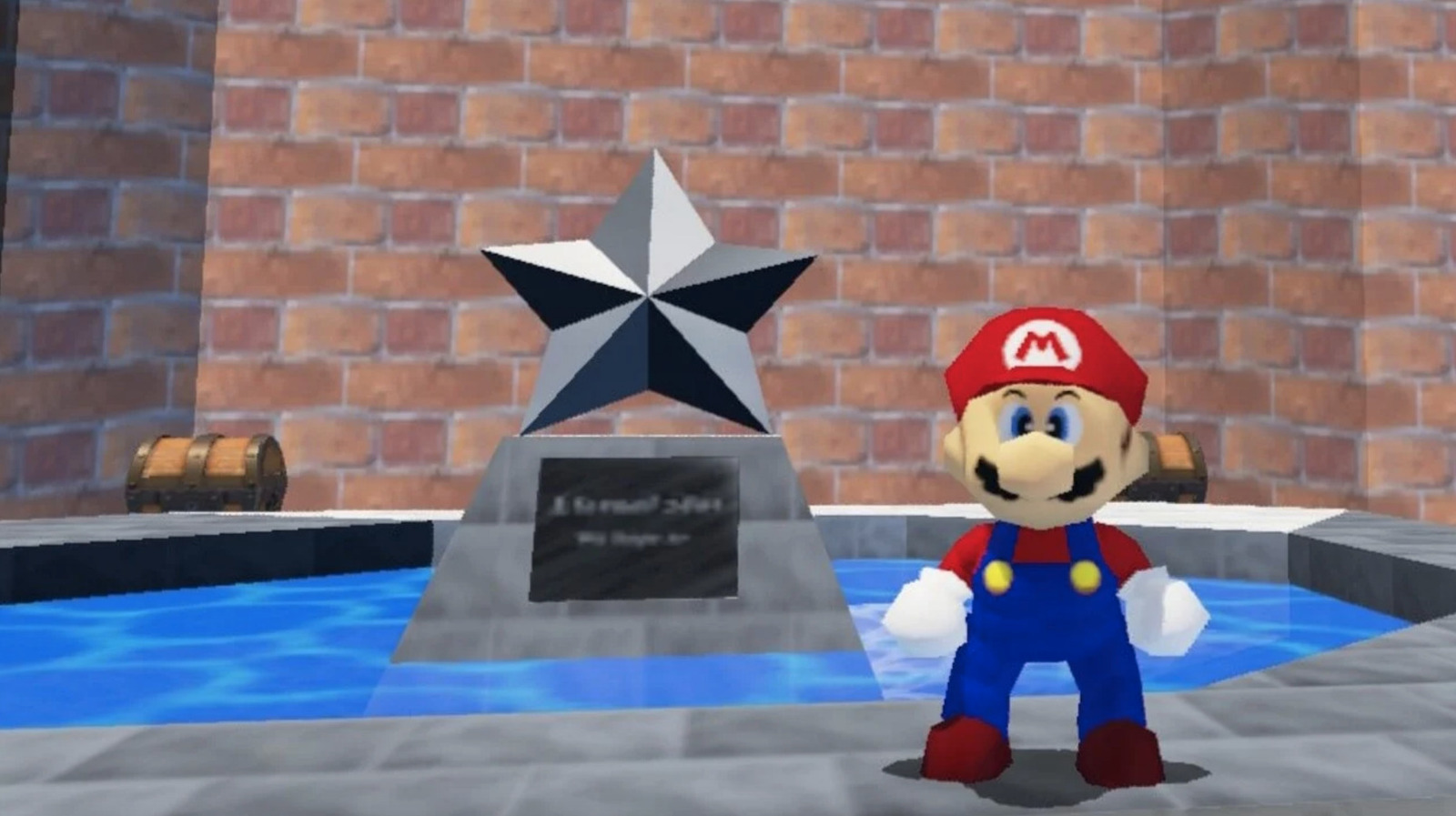
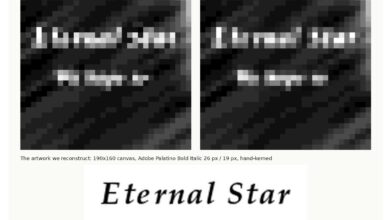
A programmer using open-source computational analysis software has identified the most likely text on a blurry plaque in Super Mario 64‘s castle courtyard, a mystery that has consumed fans for three decades. According to Video Games Chronicle, the top line reads “Eternal Star” and the bottom line reads “We hope so.”
The finding comes from a user known as Mochi64. Rather than relying on graphical upscaling — which fails because the source pixels are simply too degraded, a flaw preserved even in modern reissues — Mochi64 ran an analysis engine through millions of word and font combinations. The software matched the resulting pixel patterns against the in-game texture. The two sentences emerged as the closest possible match.
It is not definitive proof. The output represents the highest statistical probability generated by the comparisons, leaving room for alternative readings. But the sheer volume of data processed narrows the possibilities drastically.


For most of the 1990s and early 2000s, the gaming community operated under a different assumption entirely. A widespread rumor held that the plaque read “L is Real 2401,” interpreted as a hidden message teasing Luigi as a playable character. The theory gained enough traction that IGN offered a $100 bounty for anyone who could unlock him. Nintendo Power referenced the claim in an April Fool’s Day issue.
Game director Shigeru Miyamoto fueled the speculation years later when he acknowledged the development team had experimented with a two-player mode before abandoning it to conserve memory. An unearthed early build showing both Mario and Luigi running around a bare room only deepened the fixation.
Luigi did eventually become playable in the 2004 Nintendo DS remake, Super Mario 64 DS, though he was absent from the 1996 original cartridge release. The “Eternal Star” text aligns physically with the object it sits beneath: a giant star statue in the courtyard. The secondary phrase, “We hope so,” appears directed at players tasked with collecting every star in the game.
Nintendo has not commented on the findings.