F-22 Pilot Directed Anduril Drone in Combat Test
The Edwards Air Force Base test moves the CCA program from ground control to live fifth-generation cockpit integration.
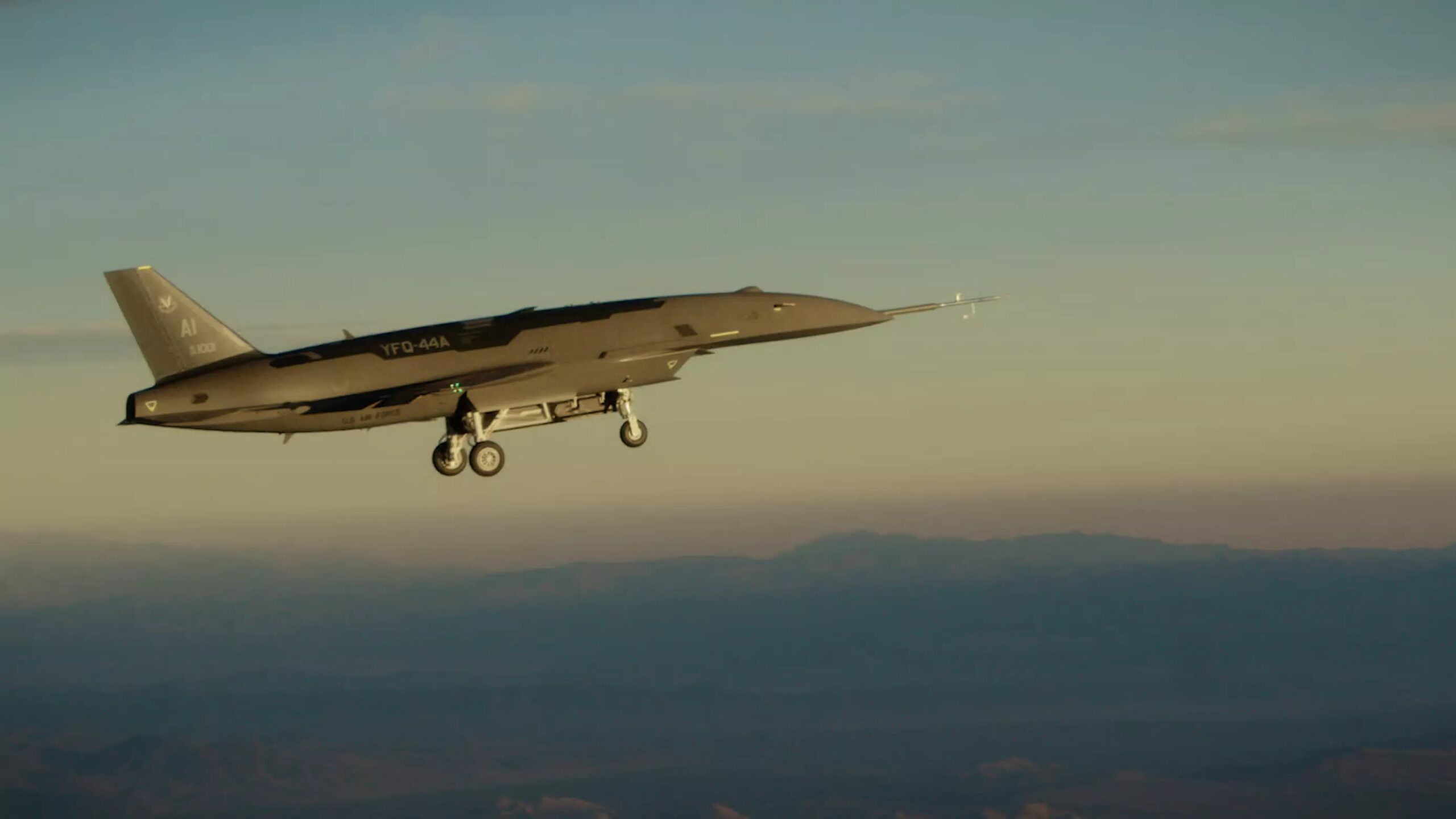
An F-22 Raptor pilot issued tactical commands to an Anduril YFQ-44A Fury drone during a simulated combat flight earlier this month, marking the first time a fifth-generation stealth fighter has directed a Collaborative Combat Aircraft in the air. The test shifts the Air Force’s autonomous wingman program from ground-controlled experiments to live cockpit integration.
Both aircraft took off from Edwards Air Force Base in California. Once airborne, the Raptor pilot transmitted an updated mission plan over a tactical data link. The Fury’s onboard software interpreted those instructions and executed the maneuvers independently. The pilot did not fly the drone. They dictated objectives while the autonomous system handled the flight controls.
The Air Force and Anduril have not disclosed the specific cockpit hardware or interface the pilot used to send the directives. That gap matters. Managing a single unpiloted wingman is one thing. Commanding several while maneuvering a crewed jet through contested airspace is the actual operational hurdle the service must clear before these systems deploy at scale.



The demonstration falls under the Collaborative Combat Aircraft program, which aims to field low-cost, semi-autonomous uncrewed aerial vehicles alongside crewed fighters. The Air Force wants 500 combat-ready drones by 2032, with an eventual fleet of at least 1,000. These aircraft are designed to carry extra weapons, sensors, and electronic warfare equipment into missions too dangerous or expensive for additional crewed jets.
Fury is one of two designs selected for the program’s first increment. General Atomics’ YFQ-42A Vengeance is the other. Both companies are now racing toward December’s Emerald Flag exercise, where the drones will participate in their first large-force employment event. That drill will test how multiple autonomous aircraft integrate into broader strike packages rather than flying as isolated pairs.
The military has spent three years building toward this type of integration. In March 2023, the Air Force detailed tests in which AI flew a modified F-16 through tactical drills. By April 2024, DARPA revealed that its X-62A VISTA aircraft had faced a human-piloted F-16 in a real-world dogfight exercise. Safety pilots were aboard the AI-controlled jet during those engagements but never needed to take over the controls.
Edwards Air Force Base has served as the primary testing ground for these transitions since the X-62A flights began. The base hosts the Air Force Test Center, which manages developmental evaluations for both legacy platforms like the F-22 and next-generation autonomous systems.