Starlink’s $55 Plans Force a Choice: Speed or Mobility
Identical $55 starting prices mask strict limits on either total data or peak download speeds depending on your chosen tier.
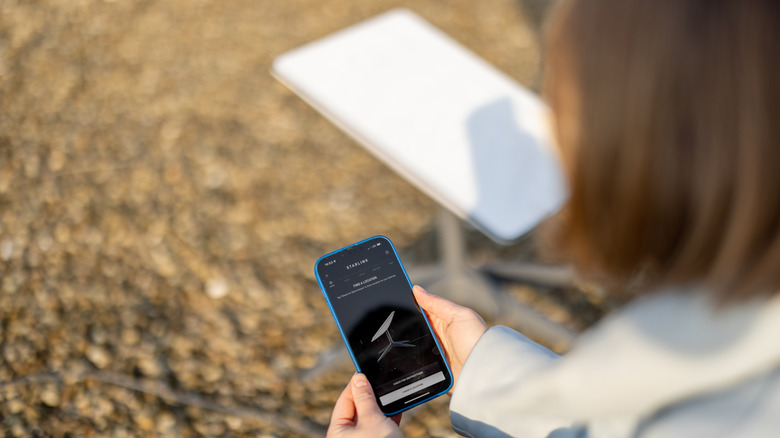
SpaceX now charges the same $55 monthly fee for its entry-level Starlink Residential and Roam satellite internet plans, but the two tiers deliver fundamentally different service. The choice between them comes down to a strict trade-off: unlimited data at capped speeds for fixed locations, or significantly faster peak speeds limited by hard data caps for mobile users.
The identical starting price masks how the network prioritizes traffic. Residential subscribers at the $55 tier receive unlimited data with download speeds up to 100 Mbps. Roam customers paying that same $55 get burst speeds up to 300 Mbps, according to SpaceX, but face a 100GB monthly data ceiling. Once a Roam user exhausts that allowance, connection speeds drop to levels restricted to basic web browsing and email until the billing cycle resets.
This pricing structure reflects SpaceX’s broader strategy to monetize its low-Earth orbit constellation across distinct consumer segments without cannibalizing its own tiers. Traditional rural broadband providers often charge upwards of $70 to $90 monthly for comparable fixed-line speeds, making the $55 unlimited residential option competitive in underserved areas where fiber optic infrastructure remains absent.


Higher bandwidth needs on the Residential side require steep jumps. The 200 Mbps tier costs $85 per month, while the 400 Mbps Max plan runs $130. Both premium home options include professional installation at no extra charge. The 100 Mbps base tier translates to roughly 12.5 megabytes per second in actual file downloads—enough for standard streaming and online gaming in smaller households.
Roam targets RV owners, digital nomads, and international travelers who frequently relocate their hardware, including those using the portable Starlink Mini dish. Beyond the entry-level cap, SpaceX offers a 300GB Roam tier for $80 monthly. Users requiring unrestricted mobile access must pay $175 per month for the Unlimited Roam option, more than triple the base rate.
Advertised figures on both plans carry caveats. SpaceX’s fair use policy explicitly permits the company to throttle connections during periods of high network congestion or peak local usage hours, meaning neither Residential nor Roam subscribers are guaranteed consistent throughput.
Prospective buyers can check SpaceX’s coverage map to verify expected download speeds by state or country before committing. Both personal plans include a 30-day trial period allowing customers to return the equipment for a full refund within the first month if the service fails to meet expectations.