Shaquille O’Neal Built a $100M Brand by Owning His Logo
By retaining ownership of the Dunkman logo instead of signing a traditional Nike deal, O'Neal secured over $100 million in licensing revenue.
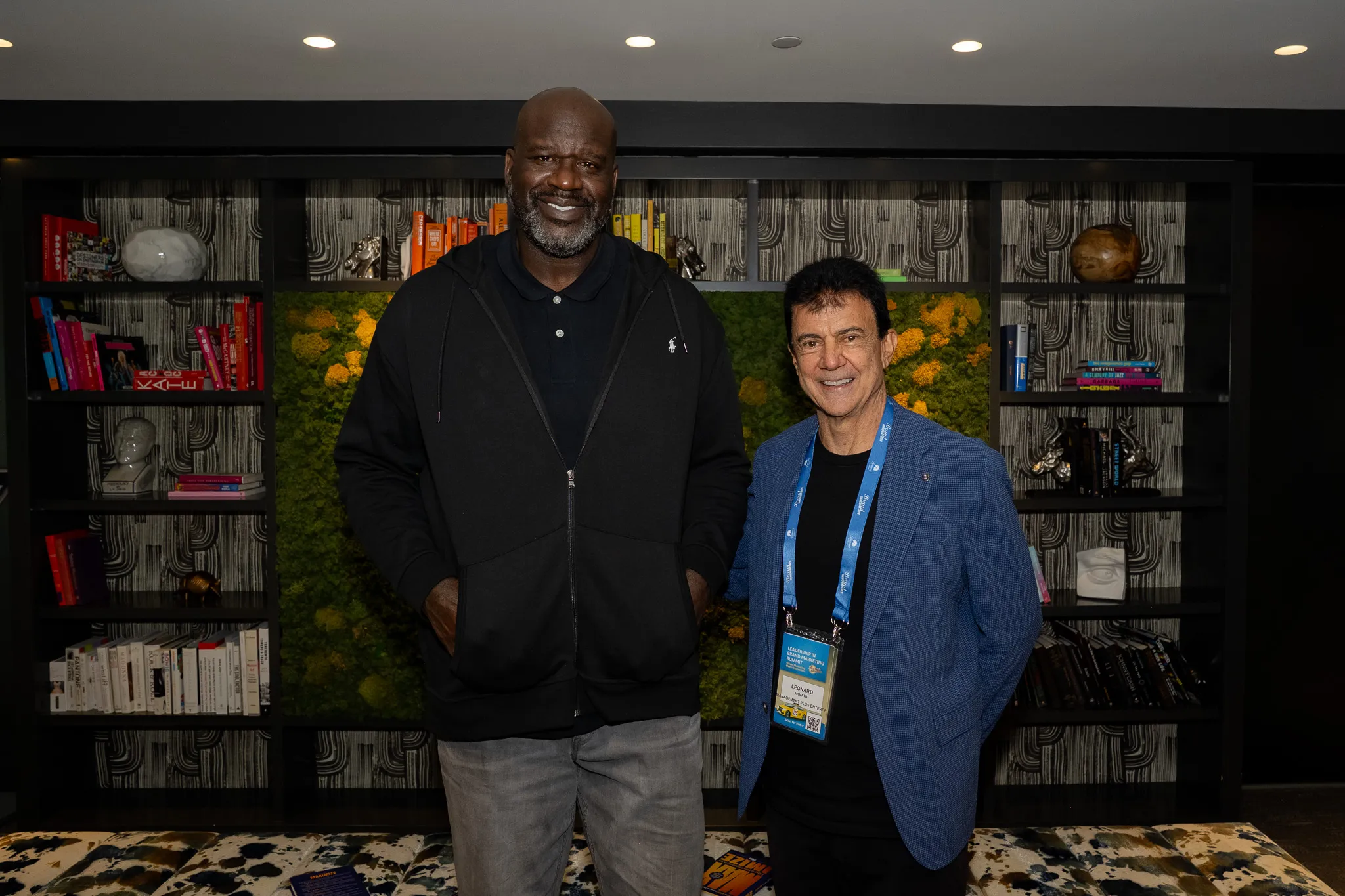
Shaquille O’Neal walked away from Nike in 1992 to keep control of his own logo. That single decision, orchestrated by his agent Leonard Armato before O’Neal played a minute of professional basketball, generated more than $100 million in licensing revenue and established the blueprint that current college athletes are now racing to replicate under modern name, image, and likeness rules.
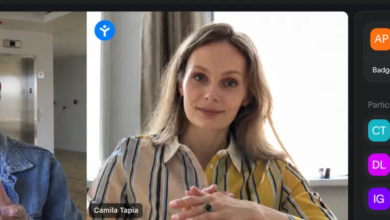
O’Neal detailed the mechanics of that strategy on the sidelines of the Brand Innovators Marketing Leadership Summit at Paramount’s New York headquarters, where he appeared with Armato to promote the agent’s new book, Maximize: 7 Keys to Unlock Greatness in You, scheduled for release in November through Sports Business Journal Publishing, an imprint of Amplify Publishing Group.
The arrangement defied the standard athlete-endorsement model of the early 1990s. Nike owned Michael Jordan’s Jumpman logo outright, collecting the bulk of merchandising profits while Jordan received royalties. Armato structured O’Neal’s contracts differently. When Reebok signed the 7-foot-1-inch center out of Louisiana State University, its ad agency designed the Dunkman logo, but O’Neal retained ownership and licensed it back to the sneaker company.

Reebok withdrew its marketing support two years later. The brand operated under the assumption that big men do not sell shoes—a theory O’Neal said a college marketing professor had warned him about directly. Because he held the intellectual property rights, O’Neal kept the Dunkman. The logo has since been stamped on more than 400 million pairs of affordable footwear.
“He owned his own brand, and then we had to find companies to help build value in his brand by using it in their marketing in creative ways,” Armato told Fortune. “Basically it’s called OPM. You build your brand using other people’s money.”
In 2015, Authentic Brands Group acquired the rights to manage O’Neal’s name across merchandise and endorsements. Financial terms were not disclosed at the time, but Armato writes in the book that O’Neal sold a portion of the intellectual property for more than $100 million. He also takes equity positions in companies he endorses, including a Krispy Kreme store in Atlanta.
The portfolio spans Icy Hot, Pepsi, Nestle Crunch, printer ink, and car insurance. O’Neal told the summit crowd he has renewed his contract with Icy Hot 19 times. He credited Armato with shifting his focus from upfront payouts to long-term retention during those early negotiations.
Not every offer gets accepted. O’Neal said Wheaties repeatedly offered him money to appear on its cereal boxes. He turned them down because he never ate the product, asking the company to send representatives from Kellogg’s instead so he could pitch Frosted Flakes and Froot Loops.
His partnership with The General insurance traces back to his time at LSU. Unable to afford standard auto insurance when he bought his first car, O’Neal used The General. Years later, watching The Maury Povich Show and hearing the company’s commercial jingle, he instructed his team to contact the insurer.
Armato managed more than corporate sponsorships. He negotiated a $10 million deal for three rap albums after O’Neal expressed interest in music. The partnership eventually fractured over creative control—specifically O’Neal’s desire to use profanity on his records—and disputes over which deals fit the brand. Armato writes that he called O’Neal 20 times from an Orlando hotel without receiving an answer, acknowledging his own ego contributed to the split. The two never fought over money and have since reconciled.
“I really respect people such as you guys who have to do real jobs. I’ve never had a real job,” O’Neal told Fortune. He recalled a moment when his son asked for help filling out a resume, a document O’Neal said he has never completed himself.
Current NCAA athletes operate in the environment this strategy anticipated. Before the NIL era began in 2021, top draft prospects routinely surrendered their likeness rights to shoe companies or the league itself. Former LSU gymnast Livvy Dunne, one of the highest-paid athletes under the current collegiate rules, has publicly argued that players must retain ownership of their names.
O’Neal declined to advise younger athletes on specific representation. “I would never tell a person what to do and who to sign with,” he said. “I just know that if I don’t believe in your product, I can’t promote it to people.”
He closed the session by pitching the room of marketing executives directly. “If you haven’t signed me up to your company, I’m available,” O’Neal said. “I don’t have enough commercials on TV yet.”