China’s Q3 Growth Hits 4.5% as Record Trade Surplus Looms
A $938 billion surplus through September is accelerating protectionist measures from Washington and Brussels.
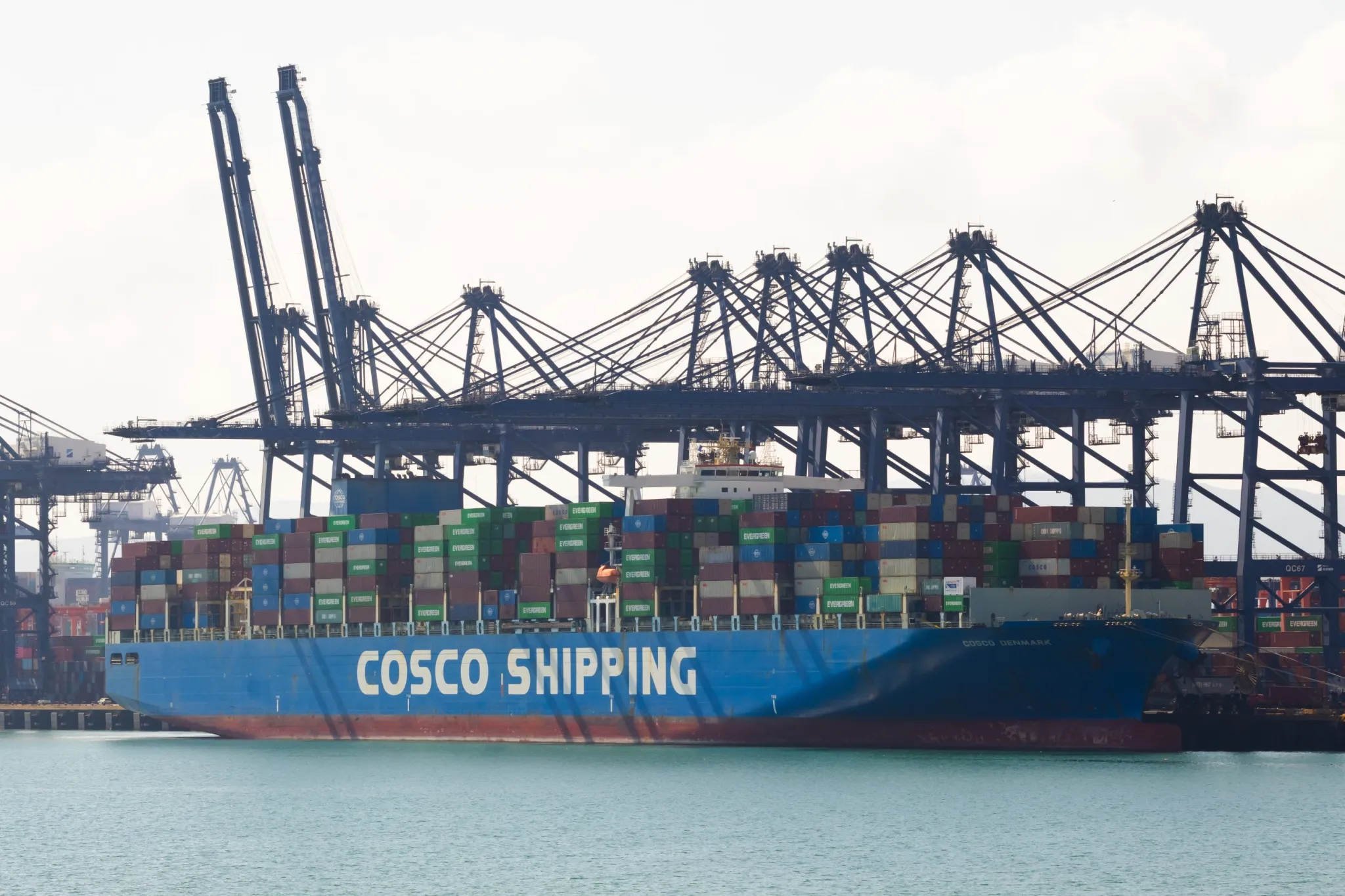
China logged $938 billion in trade surplus during the first nine months of 2026, putting the country on pace to shatter last year’s record even as its trading partners scramble to erect new barriers against a flood of subsidized manufacturing exports.
The sheer volume of outbound goods is masking a hollowed-out domestic economy. Third-quarter gross domestic product expanded 4.5% from a year earlier, according to official data released Monday. That beat the 4.3% growth recorded between April and June—the slowest expansion in more than three years—but the headline number obscures deep fractures across regions, industries, and households, said Max Zenglein, Asia Pacific senior economist at The Conference Board.
Beijing set an annual growth target of 4.5% to 5%. The International Monetary Fund trimmed its 2026 forecast for China earlier this month to exactly 4.5%, the floor of that official range.


Household wealth remains squeezed by a multiyear property market collapse that has driven up savings rates and choked off consumer spending. To compensate, Chinese manufacturers have leaned heavily into overseas markets. Export volumes surged 36% last month alone, fueled by semiconductors, electric vehicles, hybrids, and solar panels.
Elevated U.S. tariffs forced exporters to reroute shipments toward Southeast Asia, Latin America, and Europe. State subsidies built massive production capacity in high-tech sectors precisely as domestic consumption cratered. The result: cheap goods flooding foreign ports.
This export-reliant model generates few broad income gains or jobs, while artificial intelligence-driven labor displacements accelerate, said Ecaterina Bigos, senior market strategist at BNP Paribas Asset Management.
Europe is pushing back. The European Union runs a daily trade deficit with China exceeding $1.1 billion. Chinese exports to the bloc jumped 16% through September. Following an agreement this month to roughly halve Chinese hybrid vehicle imports over the coming years, EU capitals are weighing additional curbs.
Targeted deals allow Beijing to preserve long-term market access while dodging sweeping tariff hikes, said Gary Ng, a senior economist for Asia Pacific at Natixis. But structural imbalances will be difficult to resolve quickly, said Lynn Song, chief economist for Greater China at ING.
Foreign policymakers increasingly point to an undervalued yuan as a driver of the surplus. China’s central bank has dismissed those claims. Governor Pan Gongsheng said Friday that deficit and surplus nations must work together, insisting Beijing remains committed to expanding domestic demand.
“It is untenable and unsustainable for the world’s second largest economy to rely on foreign demand to prop up its own growth,” said Eswar Prasad, a professor of economics and trade policy at Cornell University. Through its persistent surpluses, China “has become a drag on world growth rather than an engine that pulls the rest of the world along.”
Global resistance, rising protectionism, and pressure to shield domestic industries—particularly in high-value sectors—are likely to intensify, Bigos noted.