$23B in Utility Hikes Turn Data Centers Into Midterm Target
Record $23.1 billion in pending electricity rate increases forces candidates to confront AI power demands ahead of November voting.
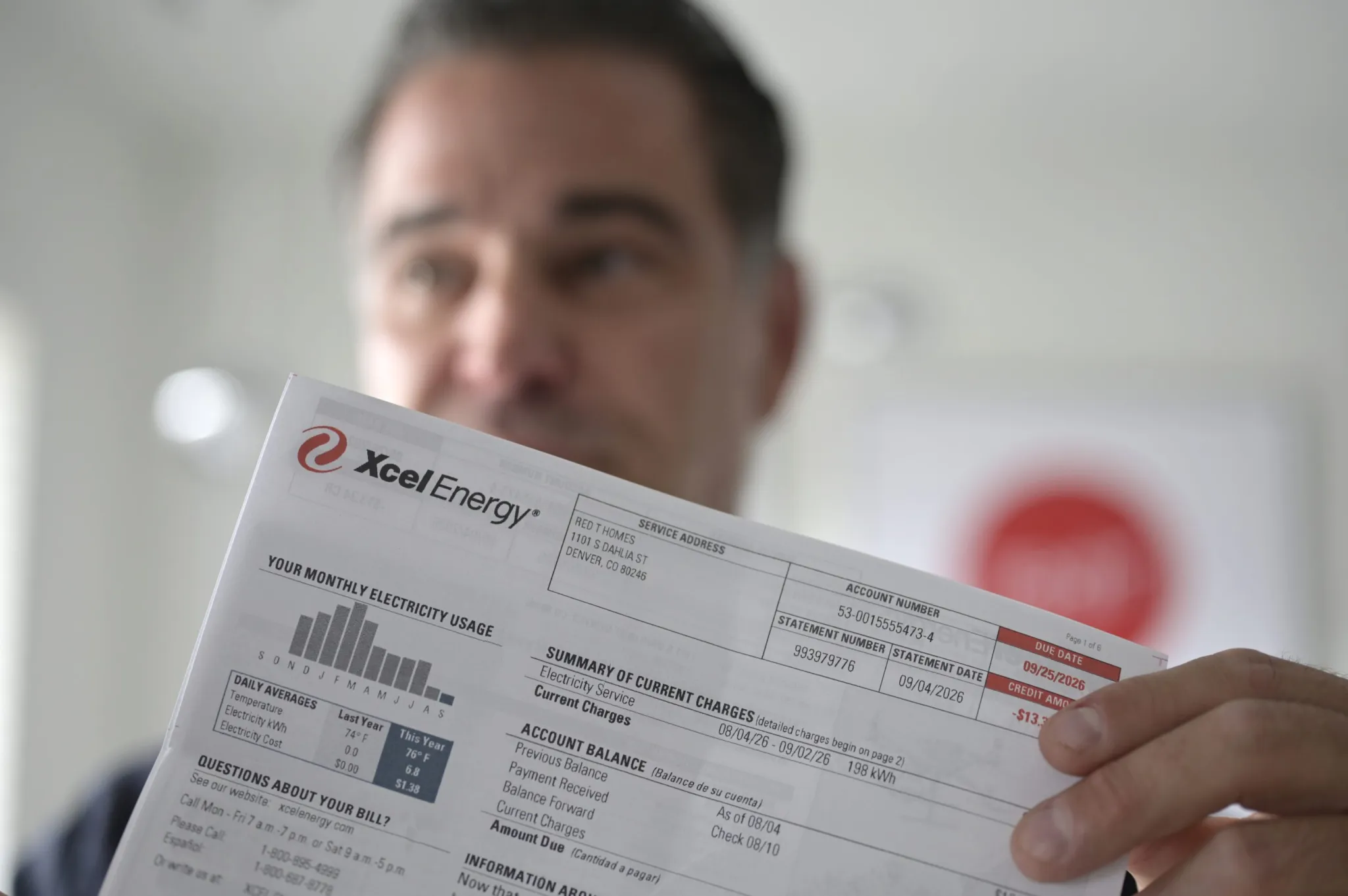
U.S. utilities have filed $23.1 billion in electricity rate increase requests through the first nine months of 2026, turning what were once obscure regulatory proceedings into a decisive battleground for November’s midterm elections. The surge in proposed hikes has placed data center expansion and artificial intelligence infrastructure directly on the ballot, with governor races, Senate seats and public utility commission contests now hinging on whether voters believe tech companies are inflating their monthly power bills.
Electricity prices have climbed roughly 40% over the past five years. The $23.1 billion requested so far this year is on pace to match the record $31 billion in rate increases utilities sought in 2025 — a figure nearly double any previous annual high, according to PowerLines, a nonprofit that tracks utility regulation. Investor-owned utilities have simultaneously expanded their capital expenditure plans by more than 27%, committing at least $1.4 trillion through 2030, up from $1.1 trillion projected just a year ago.
Charles Hua, executive director of PowerLines, said electricity costs have never driven voter behavior like this before. Energy historically animated the electorate only at the gas pump. Now, utility bills are generating comparable frustration, forcing candidates from statehouses to Washington to explain how they intend to restrain spending on grid upgrades, extreme weather hardening and new power generation built specifically to feed the AI data center boom.


The financial mechanics of who pays for that new generation vary sharply by region. Some states have enacted outright moratoriums on new data centers. Others have rejected or scaled back utility rate hike requests tied to tech infrastructure. The White House introduced a non-binding “Ratepayer Protection Pledge” aimed at hyperscalers, pressing them to absorb costs rather than passing them to residential consumers. Developers can build dedicated power generation behind the meter to insulate the broader grid, but adoption remains inconsistent.
“Data centers are putting significant pressure on the grid,” Hua said. He noted that whether facilities are actually driving up rates in any specific market requires a nuanced analysis, but the perception among voters is already cemented nationwide.
Fuel costs have compounded the pressure. As of Friday, regular unleaded gasoline averaged $4.33 a gallon, marking the first time prices have exceeded $4 in October, a 42% jump from a year prior. Diesel hit an unprecedented average of $6.33, up 73%. Heating oil surged 74% in September alone, according to the latest consumer price index data.
Jamie Van Nostrand, policy director of the Future of Heat Initiative, warned that a typical oil-heated home burning 500 to 700 gallons annually will face winter heating bills between $3,000 and $4,000. That represents a 50% to 75% increase over last year.
Voters cannot vote down the price of crude oil. They can, however, challenge utility rates. Nearly half of the $4.5 billion in rate hike requests filed during the third quarter originated in Southern states, according to PowerLines. The single largest request came from Jersey Central Power & Light, which asked regulators for a $700 million increase.
Regulators are increasingly scrutinizing alternatives to traditional infrastructure spending. State commissions are evaluating utility-scale batteries and virtual power plants — systems that automatically curtail consumption during peak demand, including from data centers — to extract more capacity from existing grids rather than building new generation.
Public utility commissions, long considered backwater agencies operating outside public view, are now facing organized political opposition. Hua said decisions previously made in a vacuum have become active pressure points in competitive races.