U.S. Diplomat Stranded in South Korea Amid Defamation Charges
Speech made in Washington, D.C. now fuels a legal dispute in Seoul
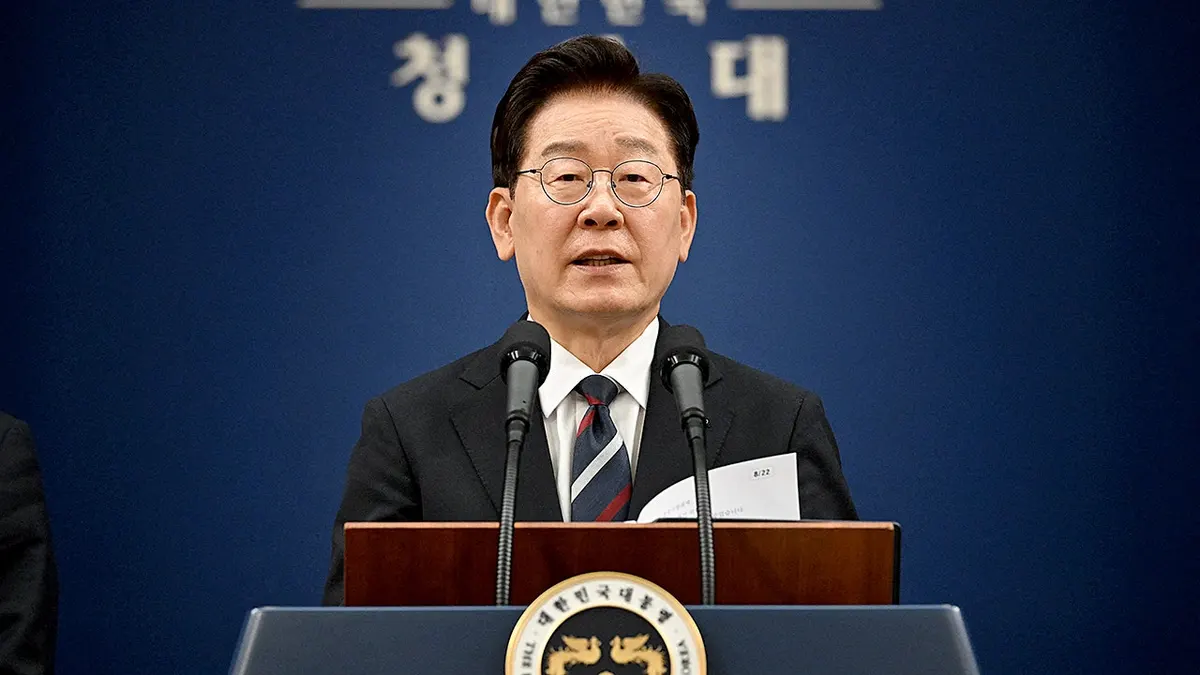
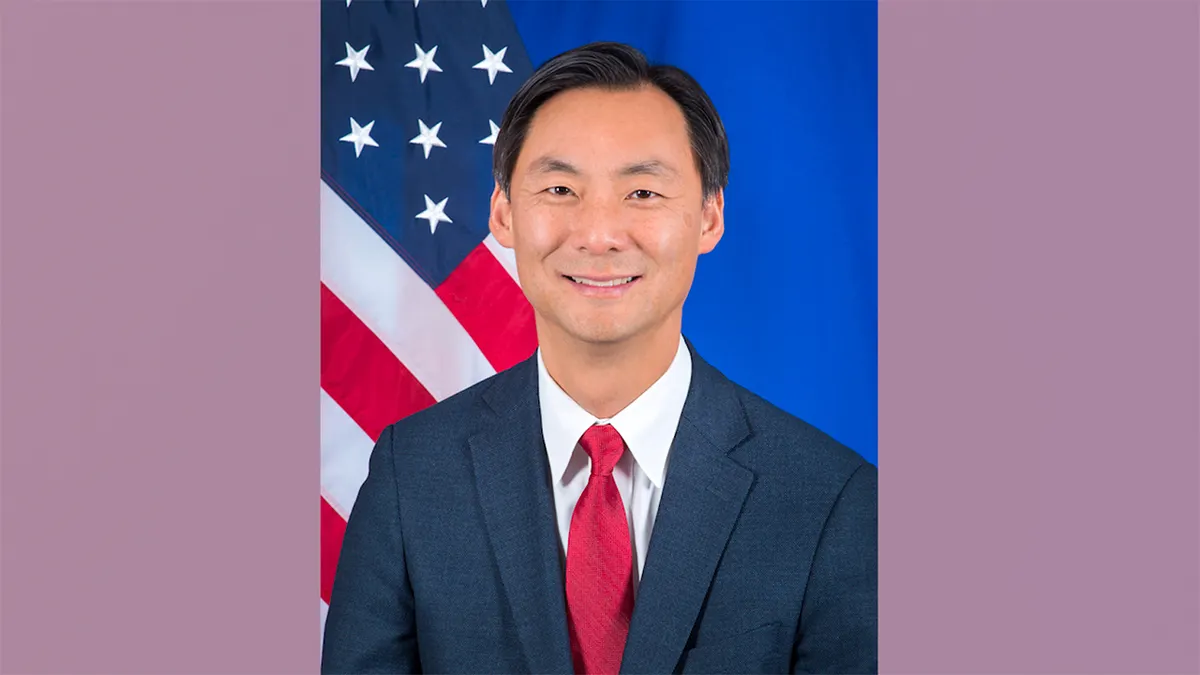
Morse Tan, a retired U.S. diplomat and former law school dean, faces South Korean criminal charges for remarks made about President Lee Jae Myung at an event in Washington, D.C. — comments he has now said he will defend from inside Seoul.
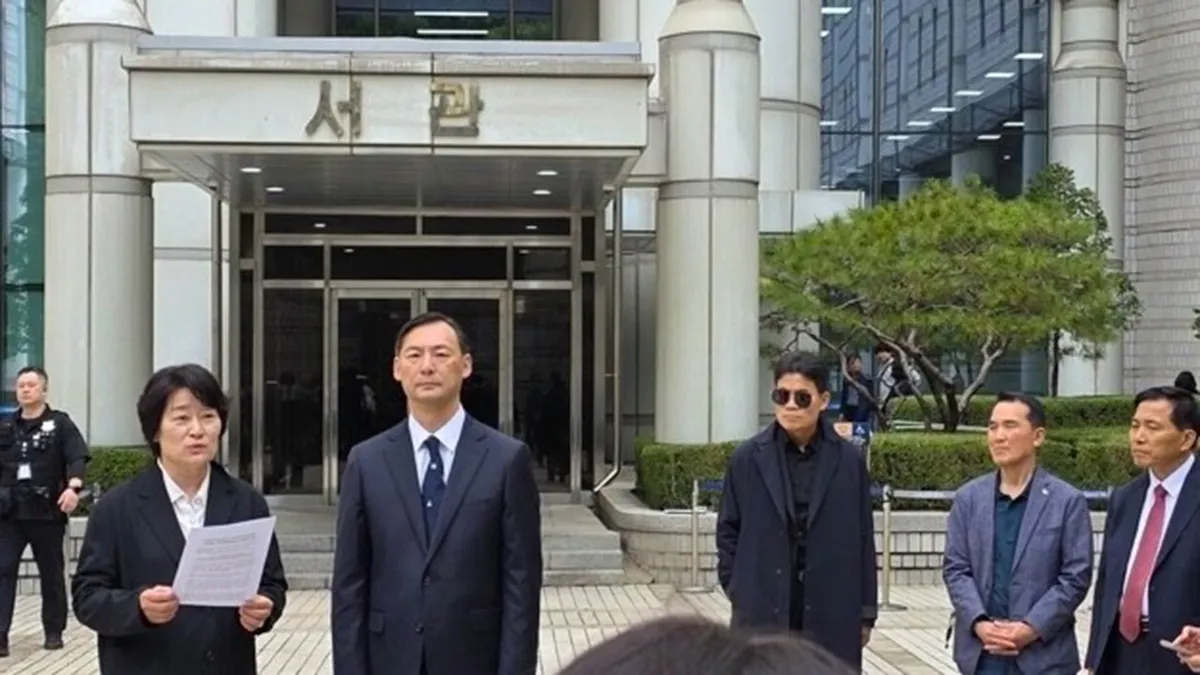
Tan appeared Friday at the Seoul Central District Court, where prosecutors accused him of defamation. The case began in June 2025, after Tan spoke at the National Press Club, where he responded to a question about Lee by citing a long-rejected allegation that the president had been involved in a gang rape and murder as a teenager. Tan said Lee was sent to a juvenile detention center and never finished middle or high school.
South Korean authorities say those claims are false. Prosecutors have stated there is no record of Lee’s incarceration at a juvenile facility, and that he was never barred from attending school. A police agency in Seoul had initially declined to prosecute, declaring no right to do so in April 2026, before a reinvestigation at the prosecution’s request produced a case.


Tan has been unable to leave South Korea since May. He was charged under the country’s information network law and its criminal code, both of which allow for detention and prison terms if he is convicted.
At the hearing, Tan said he pleaded not guilty. “I believe that Lee Jae Myung is guilty,” he said, according to Fox News Digital.
Tan, who served as ambassador-at-large for the Office of Global Criminal Justice during the Trump administration’s first term, said he views the case as a form of political retaliation. He has argued that South Korean courts lack jurisdiction over speech made outside the country and that U.S. law should shield his remarks.
“This is political lawfare,” he said. “This is a persecution, not a prosecution.”
Tan’s lawyers say he did not know the allegations were false and had no intent to defame. But the legal issue may go deeper: South Korean defamation law treats statements about public figures more harshly than U.S. law, and the country does not provide the same constitutional protection for speech made abroad.
Tan said he has been treated more strictly than South Korean prisoners. He claimed authorities barred him from attending his grandmother’s funeral, while inmates are permitted to attend family funerals.
He has also pressed the U.S. government for support, expressing disappointment that Ambassador Michelle Steel has not publicly commented on his case. A State Department spokesperson declined to discuss the specifics, citing privacy concerns.
Tan’s legal team says the charges extend beyond the D.C. remarks. He also faces a second count tied to a July 2025 talk in South Korea, where he raised questions about Lee’s policies toward North Korea and China.
Tan argues that his criticism of Lee’s stance toward Pyongyang is what triggered the government’s response. He describes himself as leading a movement against what he calls the “communizing” of South Korea and says officials view him as a threat.
The case is unlikely to be resolved quickly. South Korean criminal defamation proceedings often take months, and any ruling could set a precedent for how the country handles foreign speech about its leaders.
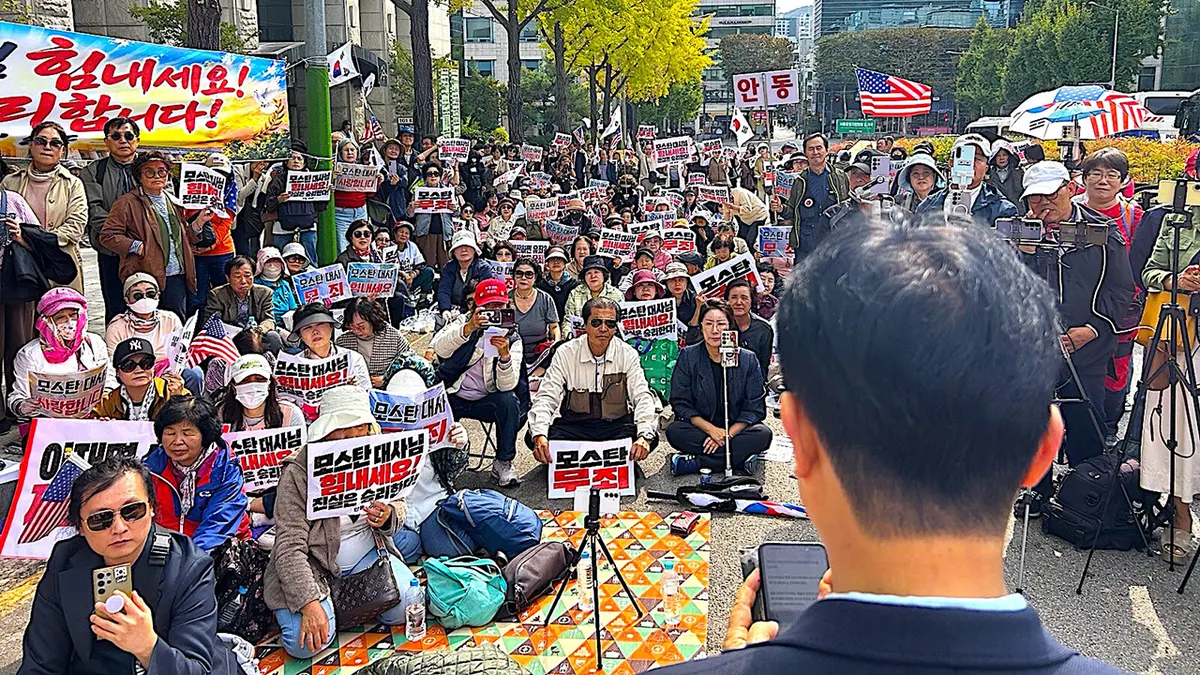
Tan’s supporters say the case signals a broader crackdown on dissent. Opponents of his remarks call it a straightforward application of defamation law.
Tan says he will remain in South Korea until his case is settled. “My protected speech is about as protected as it gets,” he said.