Iran’s Hormuz Attacks Fail as 97% of Ships Transit Safely
CENTCOM Details Dual Mission of Protecting Trade and Blockading Iran
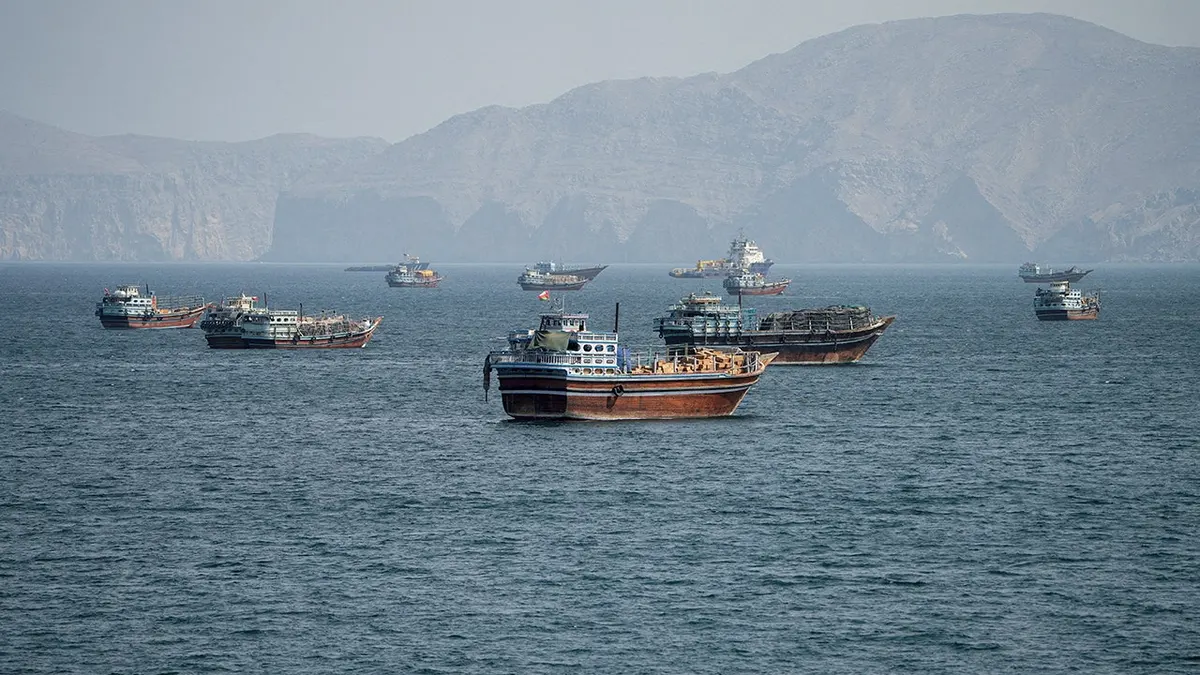
The Islamic Revolutionary Guard Corps has failed to close the Strait of Hormuz despite months of targeted aggression against commercial shipping. U.S. Central Command spokesperson Navy Capt. Tim Hawkins confirmed that approximately 97 percent of vessels attempting transit have successfully navigated the waterway without sustaining damage from Iranian projectiles.
This high success rate persists even after recent incidents, including the sinking of the GFS Pride, a Singapore-flagged container ship hit by an Iranian projectile on Wednesday. The vessel sank while being towed ashore due to onboard fires, yet traffic continues unabated. Adm. Brad Cooper, CENTCOM commander, noted that roughly 400 merchant ships sailed through the strait in just the last seven days.


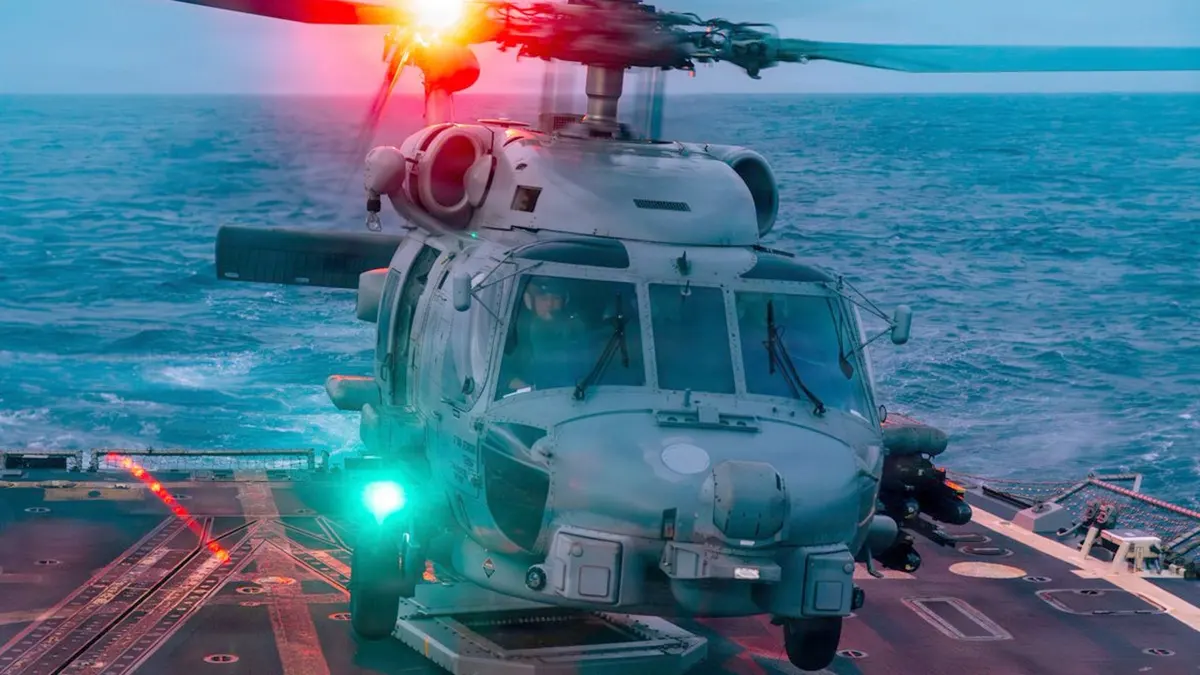
U.S. forces are executing a dual mission: protecting international commerce and enforcing a naval blockade against Iran. While thousands of ships transit safely with American assistance, no exports or imports enter or leave Iranian ports without explicit U.S. permission for humanitarian aid. This strategy aims to maintain global energy flows while isolating Tehran economically.
More than 1.3 billion barrels of crude oil have been shipped through the strait with regional allies’ support in recent months, according to Cooper. In the past week alone, U.S. forces assisted Gulf partners in moving over 100 million barrels. The International Maritime Organization reports more than 20 civilian mariners killed by Iranian attacks since February, highlighting the lethal nature of the conflict despite its strategic failure for Tehran.
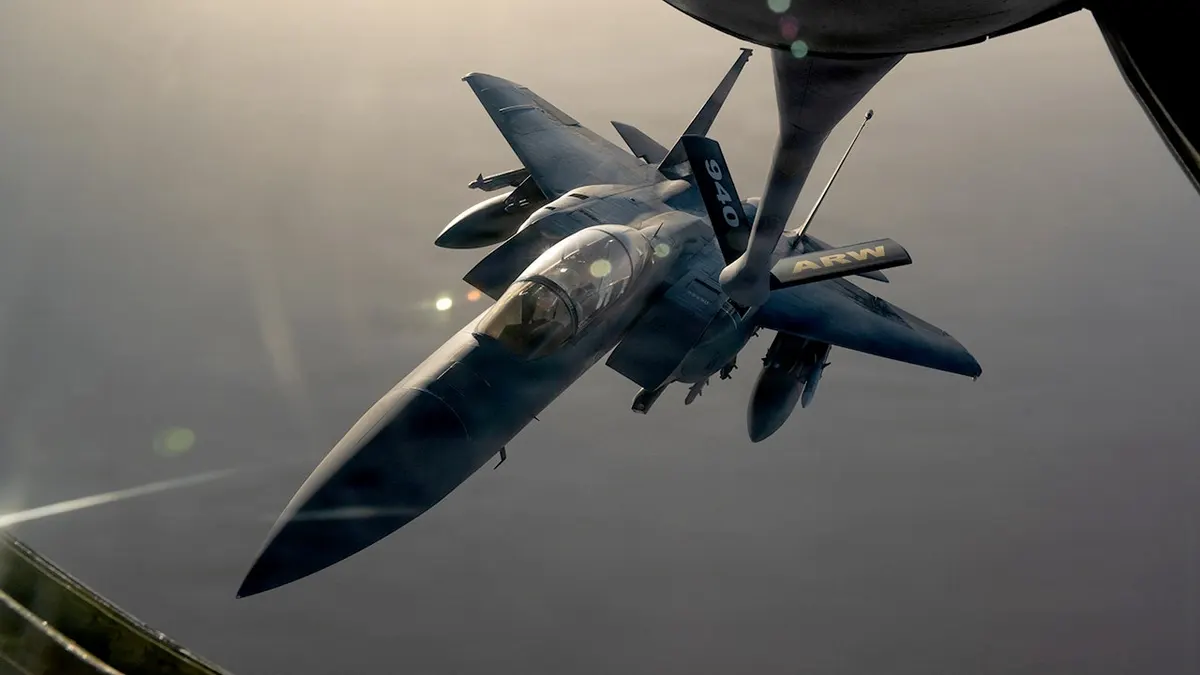
Over 50,000 U.S. service members remain stationed across the Middle East to sustain this operational tempo. Hawkins described the force posture as a “steel wall blockade,” emphasizing that troops are simultaneously encouraging traffic flow for allies and denying access to Iran. The U.S. military coordinates closely with Gulf partners to defend airspace and secure maritime routes against unjustified attacks.