Toyota Bets Arene Software on Gas Cars as EV Hype Fades
The automaker targets 10 million installations by 2030 before sharing the architecture with Suzuki, Mazda, and Subaru.
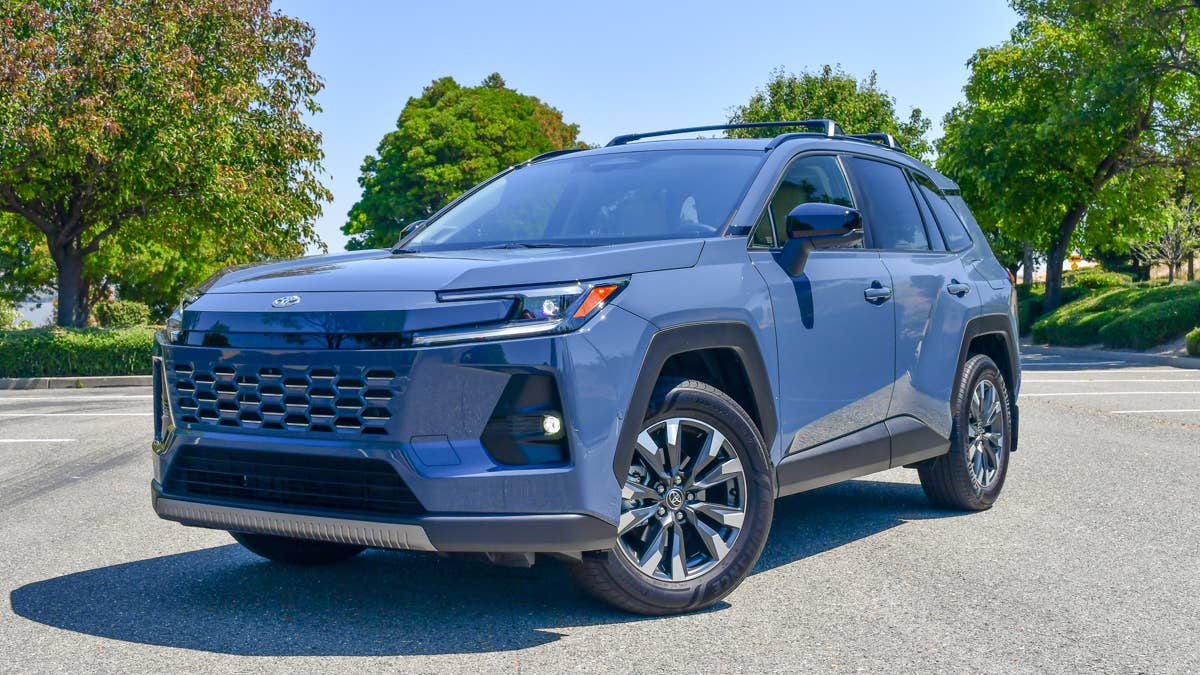
Toyota is routing its next-generation vehicle software through combustion-engine models, a move that breaks sharply with an industry trend of tethering advanced operating systems almost exclusively to electric platforms. The Japanese automaker plans to install its Arene architecture across 50 nameplates by 2030, targeting 10 million vehicles annually.
The RAV4 and Lexus ES are the only two models running Arene right now. Both rely on internal combustion or hybrid powertrains. Toyota intends to push the platform beyond digital cockpits and safety sensors into body controls and powertrain management.
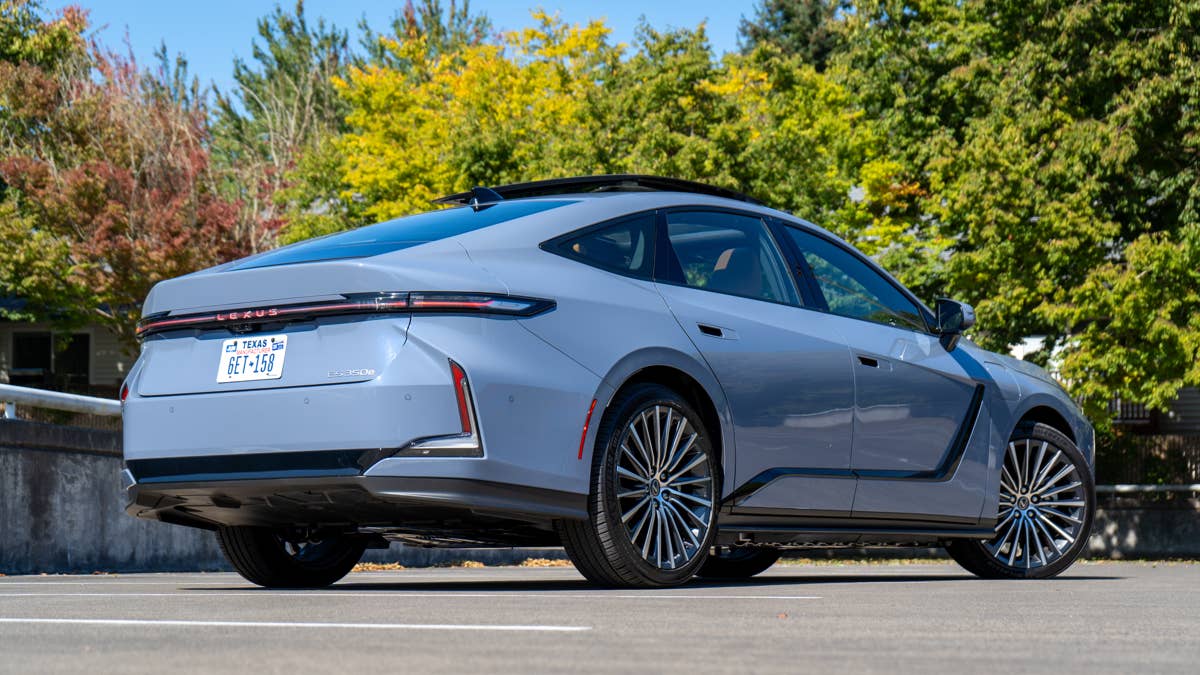
Testing cycles for advanced driver-assistance features in the new RAV4 dropped 70% after engineers integrated the system. That metric matters more than over-the-air update gimmicks. Development speed dictates whether legacy manufacturers can survive the transition away from siloed electronic control units, which have defined automotive engineering since the 1980s.
Rivals took a different path. Volkswagen paid billions to tap Rivian for a shared software-defined architecture. Nissan and Honda signed agreements to pool operating system components. Tesla built its entire valuation model around centralized compute stacks deployed solely in battery-electric cars.
EV sales growth has stalled globally. Pushing software upgrades into mass-market gasoline and hybrid vehicles bypasses the adoption bottleneck entirely. Toyota will share Arene with Suzuki, Daihatsu, Mazda, and Subaru around 2035. That coalition pushes the potential installation base to roughly 16 million units a year.
Automakers promised software would unlock full autonomy. The reality proved far more expensive. Most manufacturers remain stuck at SAE Level 2, requiring constant human supervision. BMW and Mercedes-Benz recently scaled back their Level 3 programs after realizing the liability costs and sensor requirements made widespread deployment financially unviable.
Arene will not stay inside cars. Toyota confirmed plans to port the codebase into infrastructure networks, residential systems, and robotics. It is the same diversification play Tesla attempted with Optimus, but applied to a manufacturer still moving millions of gas-powered sedans off assembly lines every quarter.