

Prediction Markets Fuel Harassment of WNBA and NCAA Athletes
Record trading volumes on Kalshi and Polymarket coincide with rising threats against players tracked by micro-betting contracts.
A record-shattering $22.2 billion in weekly trading volume surged through prediction markets Kalshi and Polymarket last week, driven largely by NFL and NCAA wagering. Behind that unprecedented financial milestone, professional and collegiate athletes are absorbing a rising tide of targeted harassment that leagues and player unions are struggling to contain.
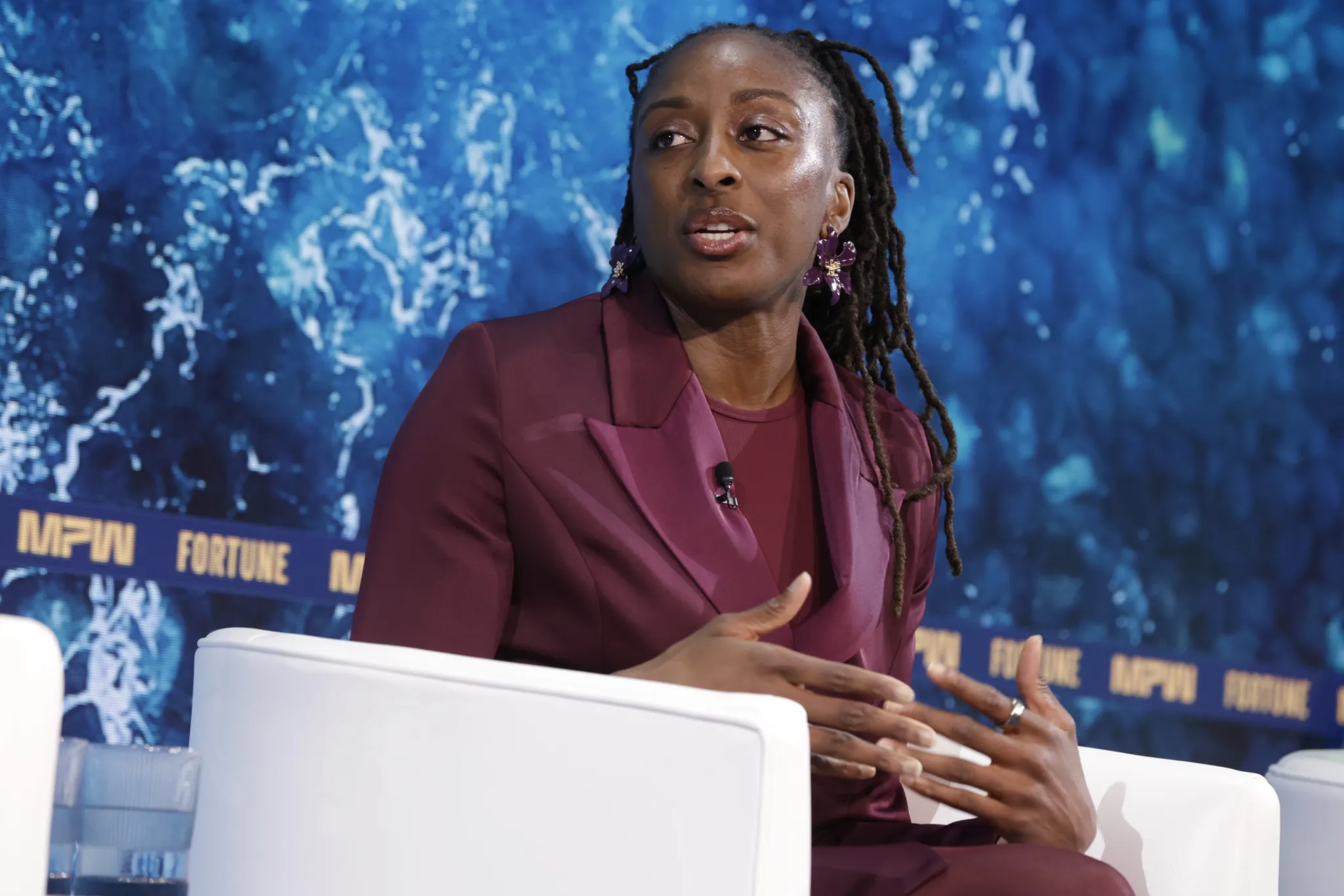
Nneka Ogwumike, the 2016 WNBA MVP and 11-time All-Star who previously played for the Los Angeles Sparks, warned Tuesday that these platforms have created an unsafe environment for players. Speaking at the Fortune Most Powerful Women Summit in Santa Barbara, California, Ogwumike described the vitriol directed at athletes based on their statistical performance as a severe burden that directly interferes with their ability to compete.
Unlike traditional sportsbooks regulated under state gambling commissions, prediction markets operate legally as financial exchanges overseen by the Commodity Futures Trading Commission. Users buy and sell contracts tied to real-world outcomes—ranging from elections to individual player statistics—treating athletic performances as tradable commodities. This regulatory distinction allows platforms to bypass many consumer protection requirements, age verification standards, and responsible gambling mandates imposed on licensed operators such as DraftKings or FanDuel following the Supreme Court’s 2018 decision striking down the federal sports betting ban.


The consequences of this unregulated proximity to player performance are most visible at the collegiate level. The 2025 NCAA Growth, Opportunities, Aspirations and Learning of Students in College study revealed that more than half of Division I men’s basketball players have endured social media abuse linked to their on-court output. Nearly 46 percent of those surveyed identified individuals who had placed bets on their games as the primary source of negative or threatening messages.
College athletes face distinct vulnerabilities compared to professionals. They lack union representation, dedicated security infrastructure, and the financial independence to insulate themselves from public backlash. The integration of micro-betting—wagering on specific plays, rebounds, or turnovers rather than final scores—has intensified the scrutiny applied to every individual action during a game, transforming routine mistakes into immediate triggers for online retaliation.
Ogwumike noted that while the WNBA Players Association and the league provide resources to help athletes navigate these threats, systemic safety failures remain largely hidden from public view. The psychological toll of constant monitoring by bettors tracking individual contracts has begun affecting player performance, according to her assessment.
In response to the escalating crisis, both the NBA and WNBA launched a responsible gaming campaign Tuesday in partnership with the National Council on Problem Gambling. The initiative focuses on educating fans about the risks associated with sports betting, though it does not impose new restrictions on the prediction market platforms generating much of the current friction.
Kalshi recently secured expanded legal footing after a federal court ruling permitted the platform to offer contracts on U.S. elections, cementing its status alongside Polymarket as a dominant force in event-based trading. Both platforms continue to integrate deeper into sports coverage, partnering with media companies and expanding their offerings to include granular player propositions across professional and college athletics.









