Alex Murdaugh Retrial: DNA, Weapons Claims Test Court
Defense demands raw 3D laser scans, untested DNA profiles, and grand jury records alleging a police chief handled the unrecovered murder weapons.
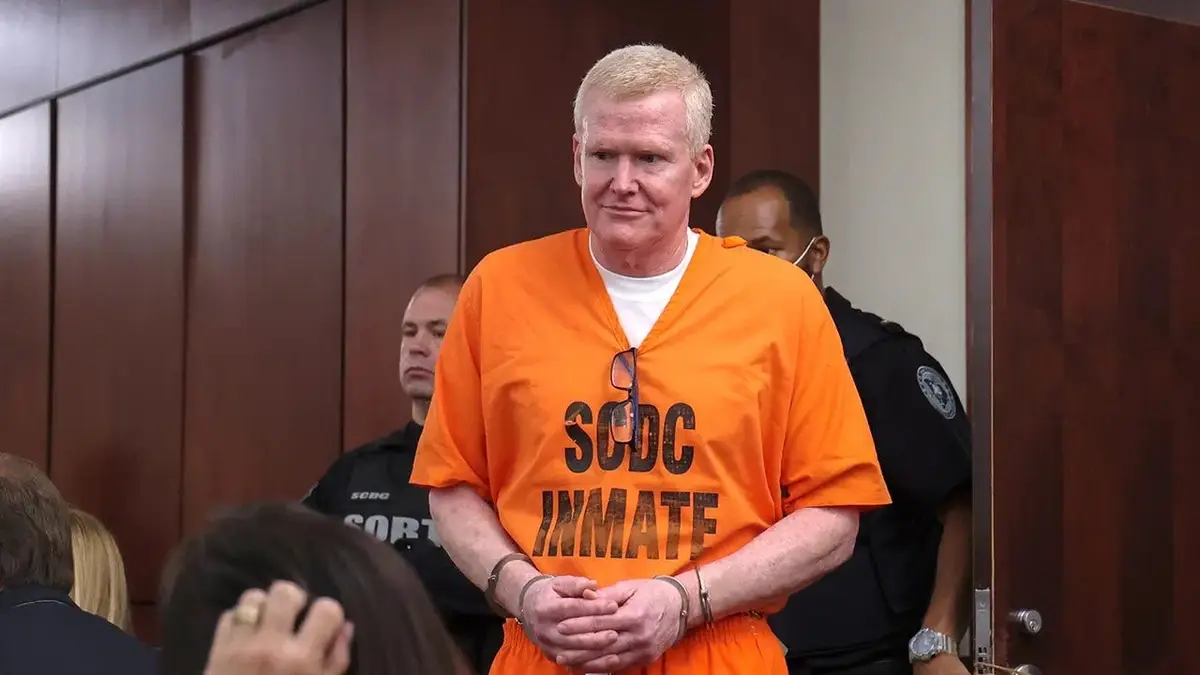
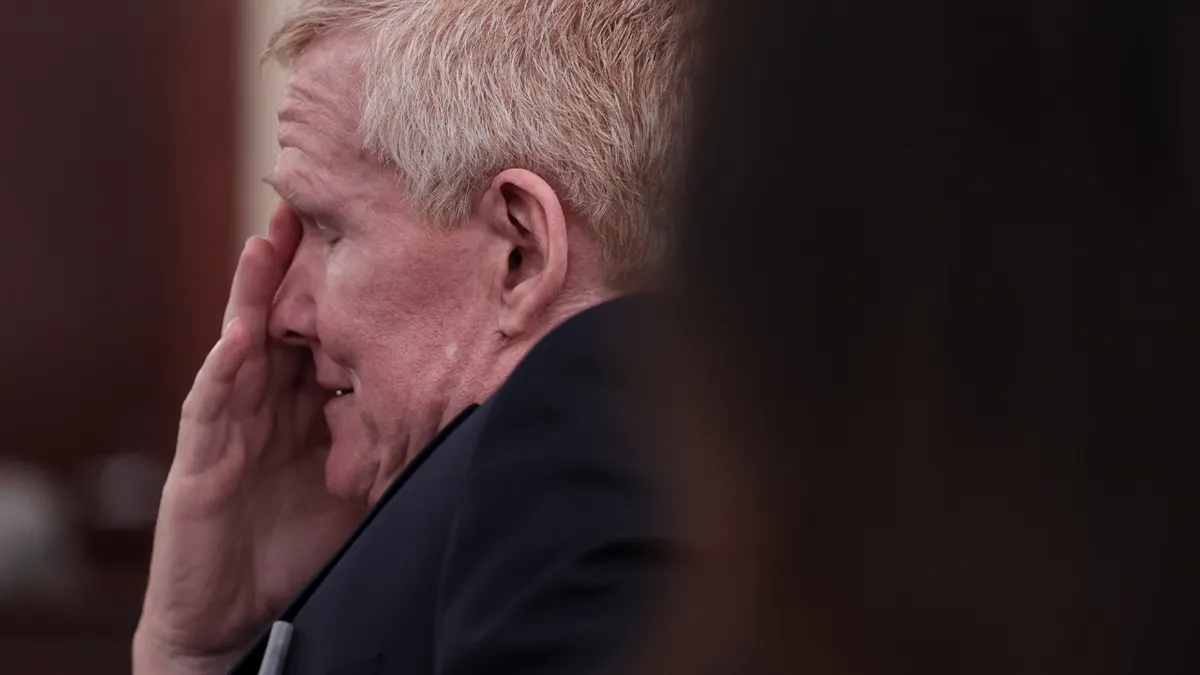
A South Carolina judge is weighing whether to force prosecutors to turn over untested forensic data and confidential grand jury records tied to allegations that a local police chief handled the unrecovered murder weapons in the killings of Maggie and Paul Murdaugh. Circuit Judge Debra McCaslin presided over a hearing Friday morning at the Marc H. Westbrook Judicial Center in Lexington, where defense attorneys pushed for access to raw crime scene files and biological evidence they argue was never fully analyzed.
The evidentiary fight marks the first major procedural collision since the South Carolina Supreme Court vacated Alex Murdaugh’s 2023 murder convictions. The state’s highest court ordered a new trial after determining former Colleton County Clerk of Court Becky Hill improperly influenced jurors during deliberations. That unprecedented intervention reset the clock on one of the most scrutinized criminal cases in modern Southern history, shifting the venue from Colleton County to Lexington County and placing the pretrial docket under McCaslin’s supervision.
Defense attorney Dick Harpootlian is pressing the state to release raw data from a FARO 3D laser scan of the Moselle property, the family’s sprawling hunting estate in Islandton where the June 7, 2021, shootings occurred. During the original proceedings, prosecutors provided a read-only viewer file of the spatial mapping. FARO scanners capture millions of data points to create millimeter-accurate digital twins of crime scenes, allowing independent experts to measure sightlines, bullet trajectories, and distances. Without the proprietary raw point-cloud data, third-party analysts cannot reconstruct the environment or challenge the state’s timeline of how Murdaugh allegedly moved between the dog kennels and the main house.


Biological evidence remains equally contested. The defense is demanding further testing of DNA recovered from beneath Maggie Murdaugh’s fingernails and partial profiles lifted from her cellphone. After an initial review by Othram, Inc., a Texas-based laboratory specializing in forensic genetic genealogy and advanced DNA extraction, Murdaugh’s legal team claims a male profile identified by the state crime lab was never fully investigated. Forensic protocols typically require exhaustive analysis of touch DNA found on victims who may have struggled with an attacker, making the handling of these specific swabs a critical issue for the retrial.
Harpootlian has also filed sweeping discovery requests targeting regional ballistics. The defense wants records of every shooting in counties surrounding Colleton where .300 Blackout cartridge casings or projectiles were recovered. Prosecutors argued during the first trial that two distinct firearms were used—a .300 Blackout rifle to kill Paul and a shotgun to kill Maggie—before the weapons were cleaned, hidden, and ultimately disposed of. Police never located either firearm. By requesting a geographic sweep of similar ammunition recoveries, the defense is attempting to map whether the murder weapons surfaced in unrelated crimes or were funneled through specific illicit networks.
Prosecutors have aggressively pushed back, characterizing the defense motions as speculative and accusing Harpootlian’s team of spreading falsehoods. State attorneys confirmed they are willing to provide the original laser scans but dismissed the ballistics sweep as a public relations exercise rather than a legitimate legal inquiry. They also noted that the requested cellphone data was already produced to the defense in 2022.
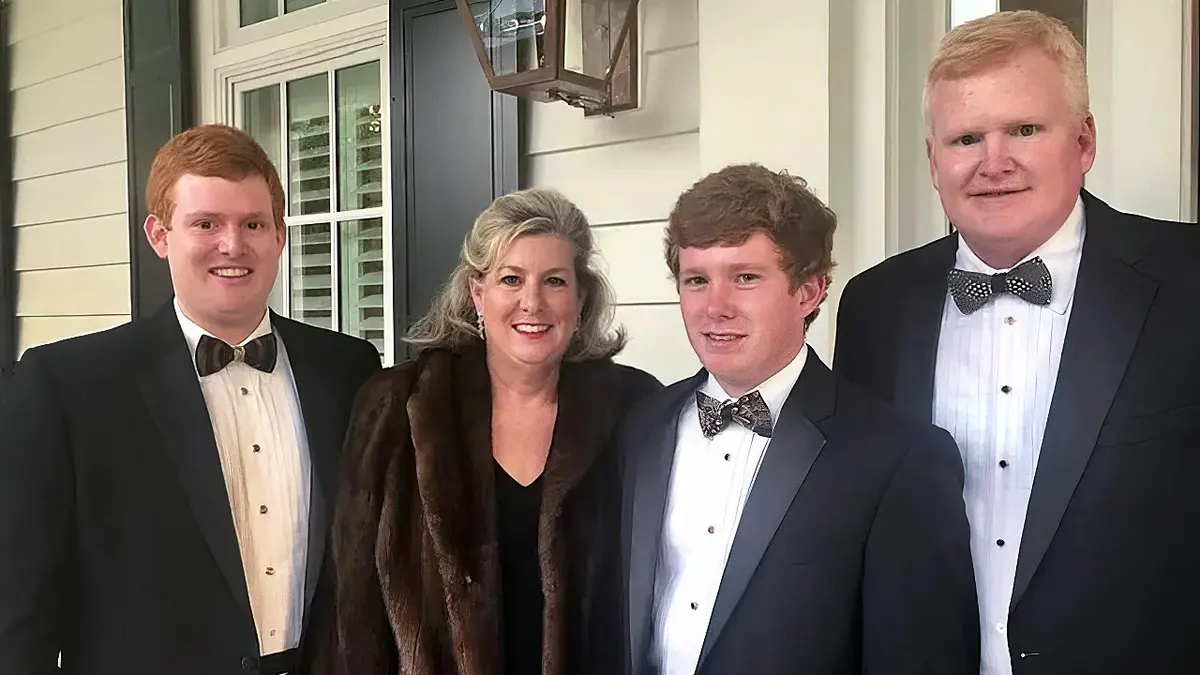
Beyond the forensic disputes, the most explosive filing involves Yemassee Police Chief Greg Alexander. Defense attorneys cited media reports alleging witnesses told the South Carolina Law Enforcement Division (SLED) that Alexander arrived at the Moselle property shortly after the murders, possessed the weapons, provided Murdaugh with a change of clothes, and stored the firearms inside the Yemassee police station. A second unnamed officer is allegedly under investigation for transporting and concealing evidence. The filings demand all SLED interview reports and state grand jury testimony related to these claims.
Alexander denied the accusations through his attorney, Joe McCulloch, stating that the truth had already been provided directly to SLED investigators. Prosecutors declined to confirm or deny whether an active investigation exists, citing the strict secrecy laws governing South Carolina state grand juries. Unlike county grand juries, which handle standard indictments, the state grand jury operates under the direct authority of the attorney general and investigates complex, multi-jurisdictional crimes. Breaching its confidentiality carries severe criminal penalties, leaving the prosecution legally constrained in what it can disclose before a judge issues a formal order.
Former prosecutor Joshua Ritter described the defense strategy as borderline delay tactics, noting that the legal team already litigated these exact evidentiary issues during the first trial. Legal analysts familiar with South Carolina criminal procedure observe that while defendants are entitled to broad discovery under Brady v. Maryland—which mandates the disclosure of exculpatory evidence—judges routinely limit requests deemed overly burdensome or untethered from material facts.
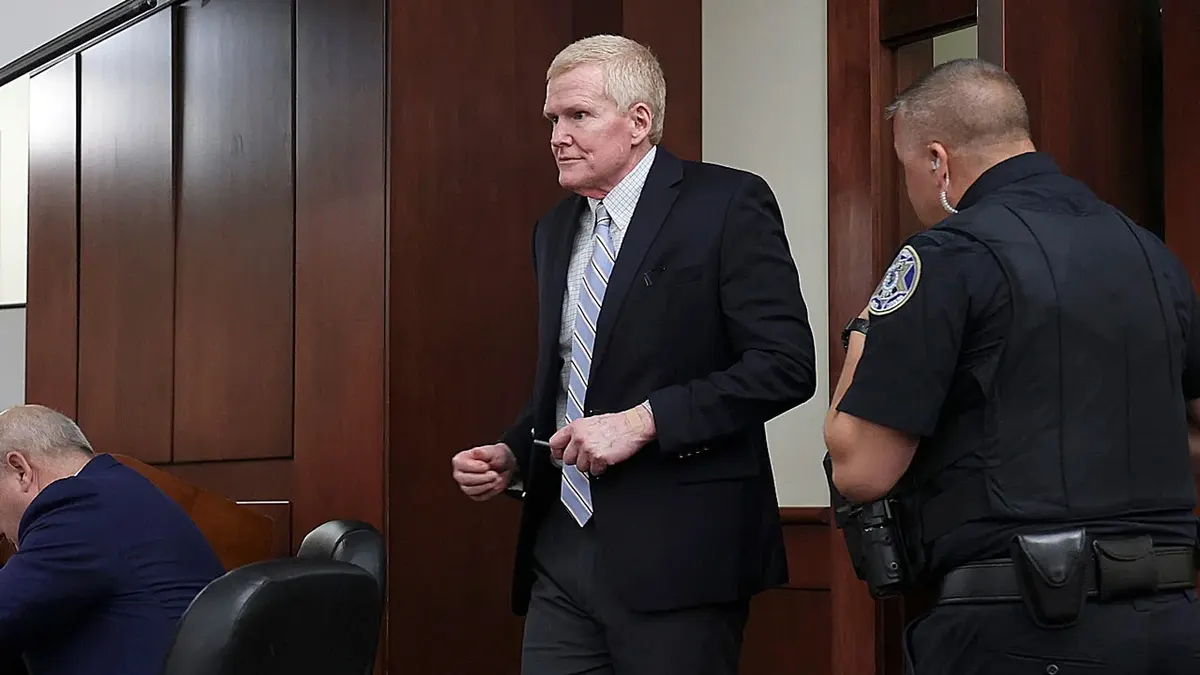
Murdaugh, a prominent personal injury lawyer whose family controlled the Lowcountry legal system for nearly a century, maintains he did not kill his wife and son. His downfall began with the 2019 fatal boat crash involving Paul, which triggered federal investigations into decades of financial fraud, embezzlement, and insurance scams. He is currently serving a 40-year federal prison sentence for those financial crimes, separate from the murder charges.
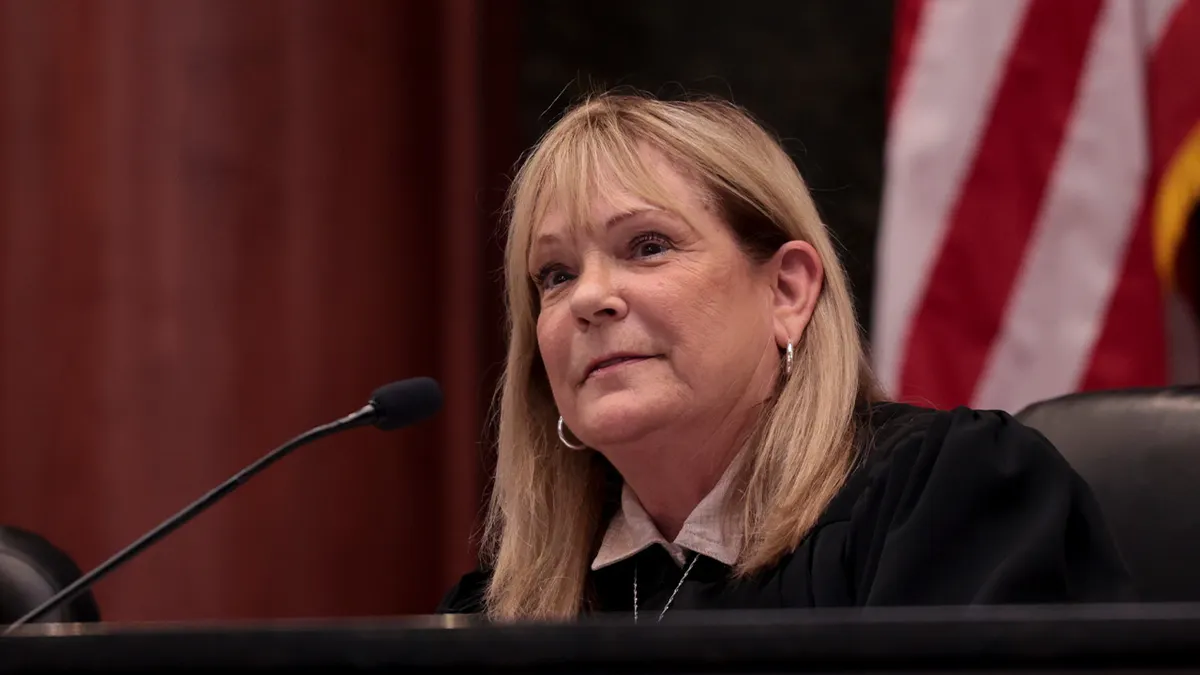
Friday’s arguments represent only the first phase of pretrial litigation. McCaslin scheduled a subsequent hearing for Nov. 13 to address additional pending motions. The murder retrial is set to begin April 5, 2027.