Lansing River Trail Deaths: 5 Homeless Men Killed in Michigan
One suspect is jailed for a stabbing, but police probe whether blunt force homicides of homeless men point to a second attacker.
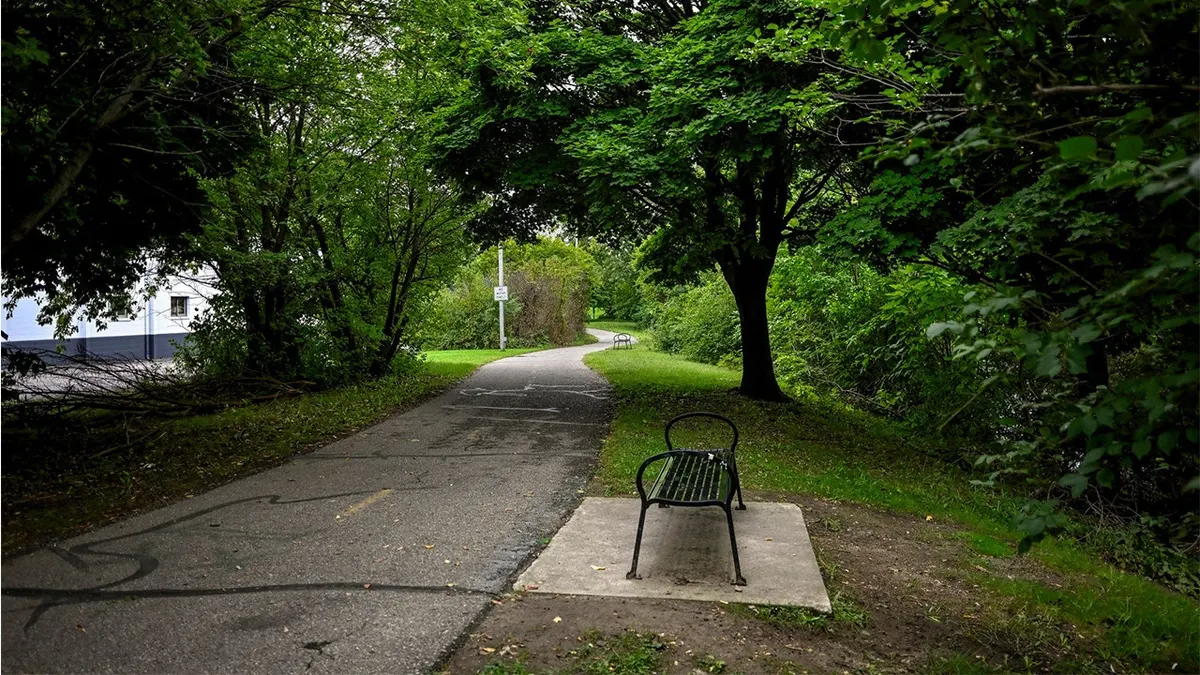
A 23-year-old man sits in an Ingham County jail cell charged with one stabbing death, but Lansing police are investigating whether the violence along a popular downtown trail extends far beyond a single suspect. Five homeless men have been killed or found dead along the Lansing River Trail over the past year, and authorities confirmed earlier this month that they are examining the possibility of a serial killer operating in Michigan’s capital city.
The investigation centers on a 13-mile paved pathway that follows the Grand and Red Cedar rivers through the heart of Lansing. The trail serves as a major commuter and recreational artery for Michigan State University students, downtown workers, and residents. Beneath its bridges and along its wooded stretches, it also functions as one of the few remaining outdoor shelters for the city’s unsheltered population, creating an environment where transient individuals sleep isolated from public view.
All five victims shared that vulnerability. They were homeless men who suffered fatal encounters within a concentrated geographic corridor between October 2025 and late August 2026.
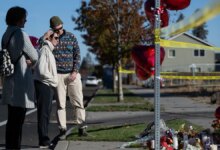

Robert Smith, 57, was discovered suffering from severe head trauma on July 13, 2026, and died four days later. A medical examiner officially ruled his death a blunt force homicide. Less than seven weeks later, Louis Woodruff, 57, was found beneath the East Cesar Chavez Avenue bridge on August 30 with catastrophic facial injuries. He died September 1, and his case was similarly classified as a blunt force homicide.
Those two confirmed homicides form the core of the suspected serial pattern. But investigators are also scrutinizing three other deaths that share geographic and demographic similarities.
Gino Chouinard, 54, was found unconscious along the trail on October 14, 2025, and died nearly two weeks later. Denis Dunnebacke, 70, was discovered unresponsive under the Kalamazoo Street bridge on July 9, 2026, dying a week after his discovery. Medical examiners have left the causes of death for both Chouinard and Dunnebacke undetermined, a classification often utilized when autopsies reveal ambiguous trauma or when decomposition complicates forensic analysis.
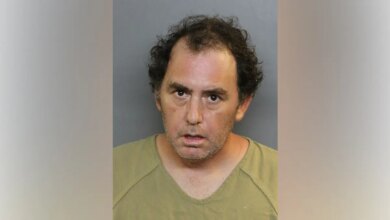
The fifth death stands apart forensically. Daniel Lusk, 22, was found fatally stabbed under the East Michigan Avenue bridge on August 20, 2026. Police arrested Edward Joseph Smith, 23, on September 3 in connection with the killing. Authorities have not disclosed a motive or explained how the two men knew each other. Edward Joseph Smith has not been accused of involvement in any of the other four deaths.
Karen Holt, a criminology professor at Michigan State University, noted that the stabbing of Lusk diverges sharply from the blunt force trauma seen in the other cases. Criminologists tracking potential serial offenders typically look for a consistent signature or methodology. A shift from bludgeoning to stabbing usually suggests either a different perpetrator or a drastic escalation in behavior, though interpersonal disputes among transient populations frequently involve whatever weapon is immediately accessible.
Targeting homeless individuals is a documented strategy among serial offenders nationwide. Victims living outdoors lack the security of locked doors, often travel alone at night, and may struggle with substance use disorders that impair their situational awareness. Historically, killers ranging from Joel Rifkin in New York during the early 1990s to more recent offenders in California have exploited the delayed reporting timelines associated with missing unhoused people. Because transients frequently move between cities or lose contact with family, their disappearances can go unnoticed by law enforcement for weeks, granting an attacker a significant operational advantage.
Lansing Police Chief Rob Backus addressed the string of deaths during a press conference at police headquarters on October 2, 2026. The department has urged extreme caution for anyone using the river trail, particularly after dark.
Ingham County encompasses Lansing and operates the regional 911 dispatch and medical examiner systems handling these cases. Local homeless outreach organizations, which routinely conduct wellness checks under the river bridges, have reported heightened anxiety among the encampment residents who remain in the area despite the ongoing danger.
No arrests have been announced linking any individual to the broader pattern of blunt force attacks. Detectives continue to process forensic evidence from the scenes near the East Cesar Chavez Avenue and Kalamazoo Street bridges while awaiting final toxicology and pathology reports for the deaths currently listed as undetermined.