Mexico Orders Platforms to Shield Minors From Adult Content
Companies face a 30-day deadline to deploy age classifications and round-the-clock law enforcement coordination under a non-punitive initial phase.
Mexico has bypassed the legislative process to impose sweeping child safety obligations on social media companies, issuing a presidential decree that gives platforms 30 calendar days to overhaul how they handle content accessible to minors.
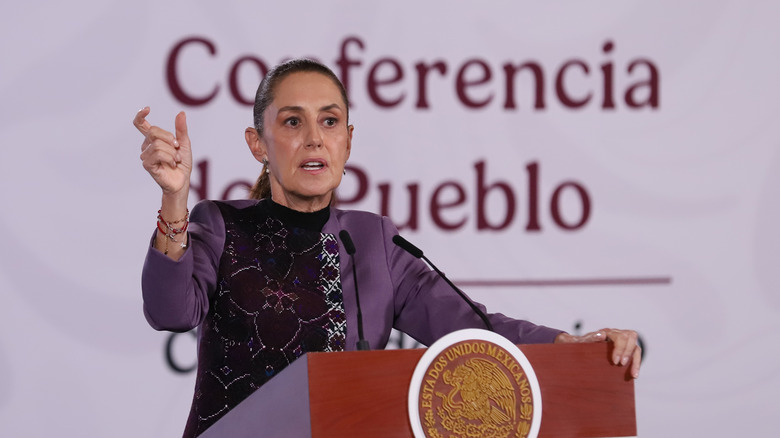
President Claudia Sheinbaum signed the executive order mandating that any digital service allowing users to create, distribute or share material must block minors from accessing a broad spectrum of harmful content. The prohibited categories range from explicit sexual material and sexual exploitation to hate speech, violent extremism, suicide promotion, self-harm, eating disorders, cyberbullying and school violence.
Rather than waiting for congressional debate, the administration opted for unilateral executive action — a regulatory approach that distinguishes Mexico from other jurisdictions currently tightening digital child protections. Countries such as Australia, China and member states of the European Union under the Digital Services Act, along with U.S. states including Florida, Texas, Ohio and Mississippi, have pursued similar safeguards through formal legislation or statutory frameworks.


The decree requires platforms to actively identify and remove accounts promoting violence, implement age-based content classifications, and deploy enhanced privacy defaults for younger users. Companies must also provide parental supervision tools and maintain a dedicated point of contact available around the clock to coordinate with Mexican investigating authorities. When life-threatening content is detected, platforms are legally bound to preserve evidence and immediately alert law enforcement.
Oversight falls to Mexico’s Agency for Digital Transformation and Telecommunications (ADTT). While the 30-day implementation window is legally binding, the government confirmed it will not initially levy penalties against noncompliant companies. Officials warned, however, that failure to adhere to the mandate will prompt the administration to pursue enforceable legislation through Congress, signaling that the current grace period functions as an ultimatum rather than a suggestion.
This executive maneuver follows earlier friction between Sheinbaum’s government and the gaming industry. The administration previously floated an eight percent tax specifically targeting violent video games before ultimately abandoning the proposal.
Globally, rapid attempts to wall off adult content from minors have exposed significant technical vulnerabilities. Australia’s pioneering ban on social media access for children under 16 encountered immediate enforcement hurdles after minors quickly circumvented the age-verification systems deployed by major platforms. Those early failures underscore the difficulty of relying solely on platform-level compliance without robust, standardized identity verification infrastructure.
Mexican authorities have not yet detailed the specific technological standards platforms must use to verify user ages under the new decree, leaving companies to determine their own compliance mechanisms ahead of the November deadline.