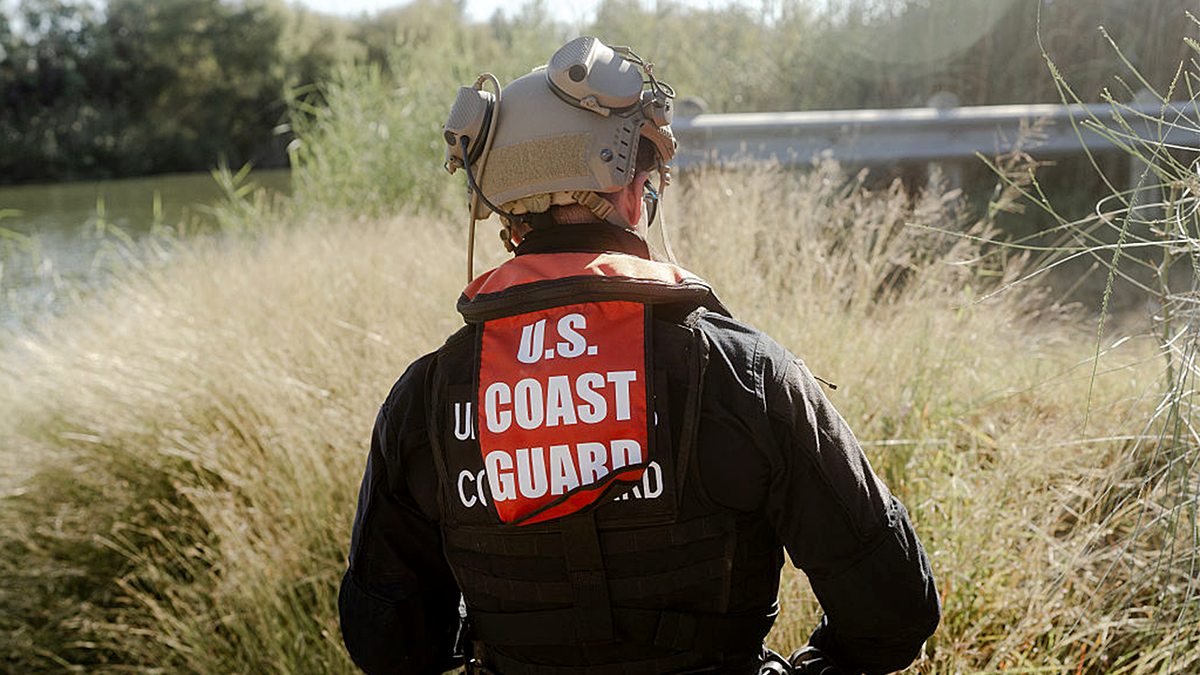
Cartel Drones Surging at US Border as Military Tracks 378 Incursions
CBP tracked over 42,000 near-border drone flights in FY25 as cartels modify agricultural aircraft to evade detection and map patrol routes.
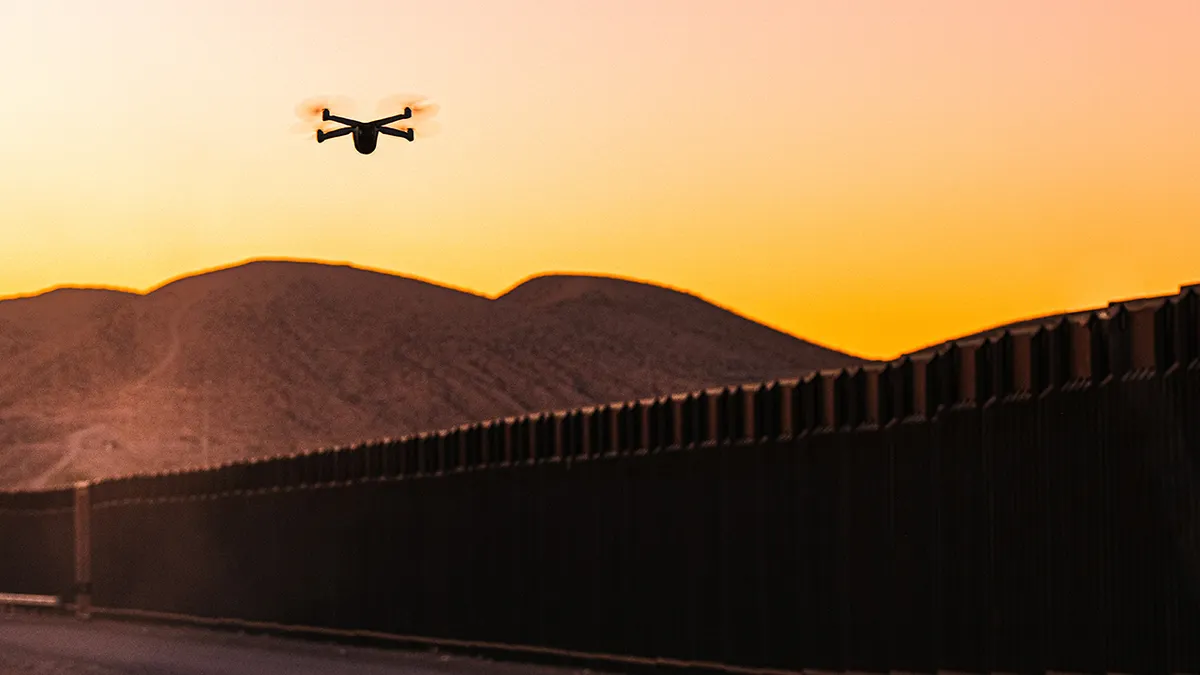
U.S. Customs and Border Protection logged more than 42,000 unmanned aircraft flights near the southern border in fiscal year 2025, a volume that has forced federal agencies to fundamentally rethink how they defend nearly 2,000 miles of terrain against aerial surveillance networks operated by Mexican drug cartels.
The sheer density of those flights dwarfs conventional smuggling indicators. In fiscal year 2026, CBP recorded over 37,000 near-border drone movements. The U.S. military, operating under Joint Task Force-Southern Border, isolated 378 direct incursions into American airspace within a recent 30-day window. Brig. Gen. Brian Filler confirmed the trajectory is climbing, with most aircraft functioning as eyes for human trafficking rings and narcotics corridors rather than carrying payloads themselves.
Criminal syndicates rely heavily on commercial-off-the-shelf quadcopters purchased legally through retail channels. By mapping the patrol routines, shift changes and sensor blind spots of Border Patrol agents, cartel lookouts establish what intelligence professionals call a “pattern of life” analysis. This data allows smugglers to time border crossings down to the minute, routing migrants or cargo through gaps in coverage.


The hardware profile is shifting. Austin Doctor, who directs strategic initiatives at the National Counterterrorism Innovation, Technology and Education Center, noted that organizations are increasingly modifying large agricultural drones designed to carry heavy tanks of pesticide. These airframes can be repurposed to haul larger quantities of fentanyl or methamphetamine across the border in single trips, bypassing traditional vehicle checkpoints entirely. Operators are also hardening the electronics against radio-frequency jamming, the primary method U.S. authorities use to sever the link between a drone and its pilot.

While surveillance dominates operations on the U.S. side of the line, weaponized drones have become a staple of cartel warfare deeper inside Mexico. The Jalisco New Generation Cartel, known as CJNG, pioneered much of this tactical adoption, turning consumer electronics into improvised bombers targeting rival factions and local police. But the violence is no longer confined to remote mountain strongholds.
In October 2025, attackers flew a drone rigged with homemade explosives directly over an anti-kidnapping prosecutor’s office in Tijuana, a city pressed against the California border. The blast damaged four vehicles. Months earlier, soldiers raiding a safehouse in Reynosa, Tamaulipas—linked by researchers to the Los Metros faction of the Gulf Cartel—uncovered an arsenal including 18 drones, 151 explosive objects, two completed improvised explosive devices and specialized counter-drone detectors used to monitor law enforcement frequencies.
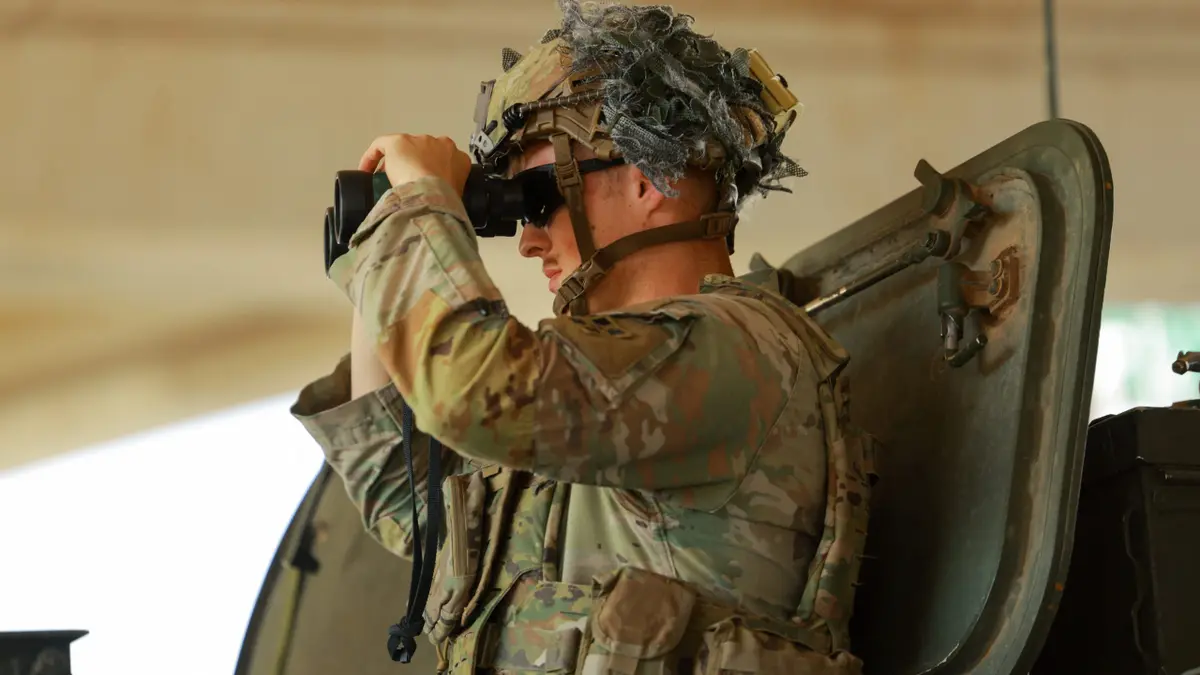
Washington has responded by expanding legal authorities. Under 6 USC 124n, Congress granted the Department of Homeland Security the power to detect, track and mitigate unmanned systems. CBP’s counter-UAS mandate now stretches across the entire Southwest border and reaches 100 miles inland. Arizona lawmakers went further, passing legislation explicitly authorizing state law enforcement to shoot down drones suspected of facilitating criminal activity—a significant escalation given historical restrictions on local police engaging aerial targets.
The FBI has publicly warned that battlefield-style drone tactics perfected in conflicts like the war in Ukraine are migrating toward cartel arsenals, raising the prospect of coordinated swarm attacks against U.S. infrastructure.
Mexican authorities are attempting to match these deployments. Operation Águila Alta, executed recently in the Tijuana-San Diego corridor, resulted in the neutralization of five drones, one of which was initially spotted by American sensors before Mexican forces destroyed it based on shared intelligence. Mexico also deployed 500 soldiers, National Guard troops, helicopters and fixed counter-drone arrays across five municipalities in Tamaulipas, while the Navy ran a parallel deployment under Operation Sable.
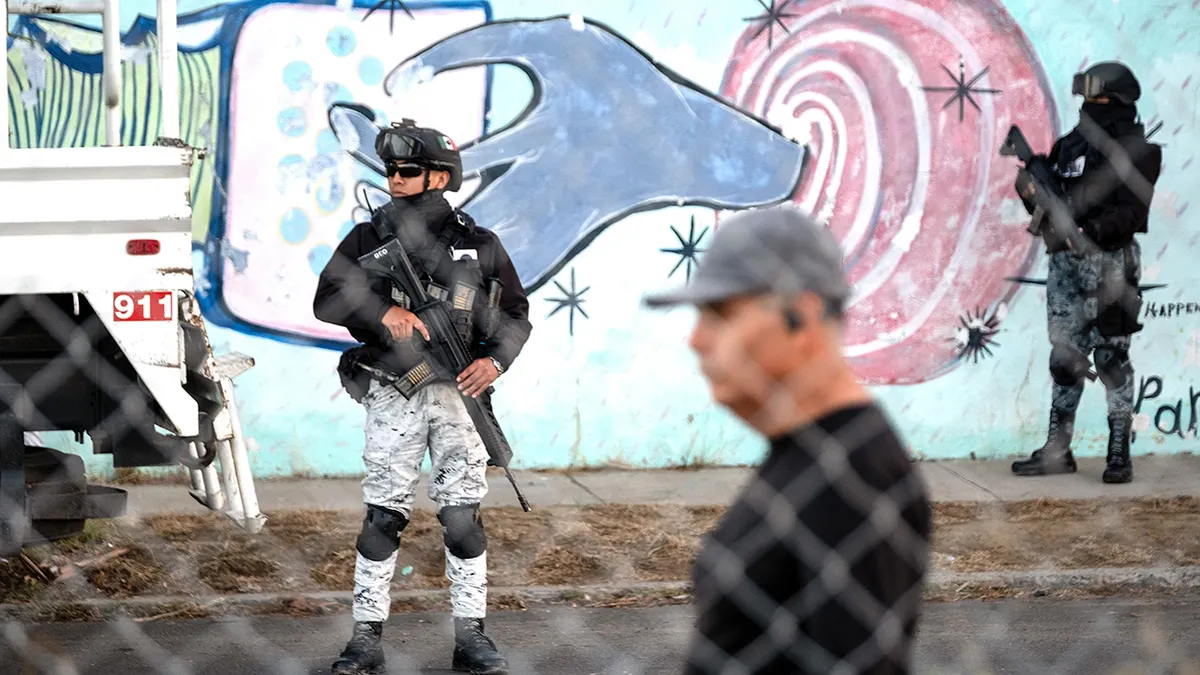
Legally, Mexico closed a major loophole in 2024 by criminalizing specific drone behaviors at the federal level, including dropping explosives, modifying aircraft to carry weapons or narcotics, and using unmanned systems to surveil public officials. Previously, prosecutors struggled to charge operators caught flying near sensitive sites without physical evidence of a payload.
Despite the overlapping jurisdictions and new statutes, critical intelligence gaps remain. Federal agencies cannot yet determine the total number of cartel-operated drones in circulation, definitively attribute individual cross-border flights to specific syndicates, or quantify whether recent interdiction campaigns have actually suppressed flight volumes.
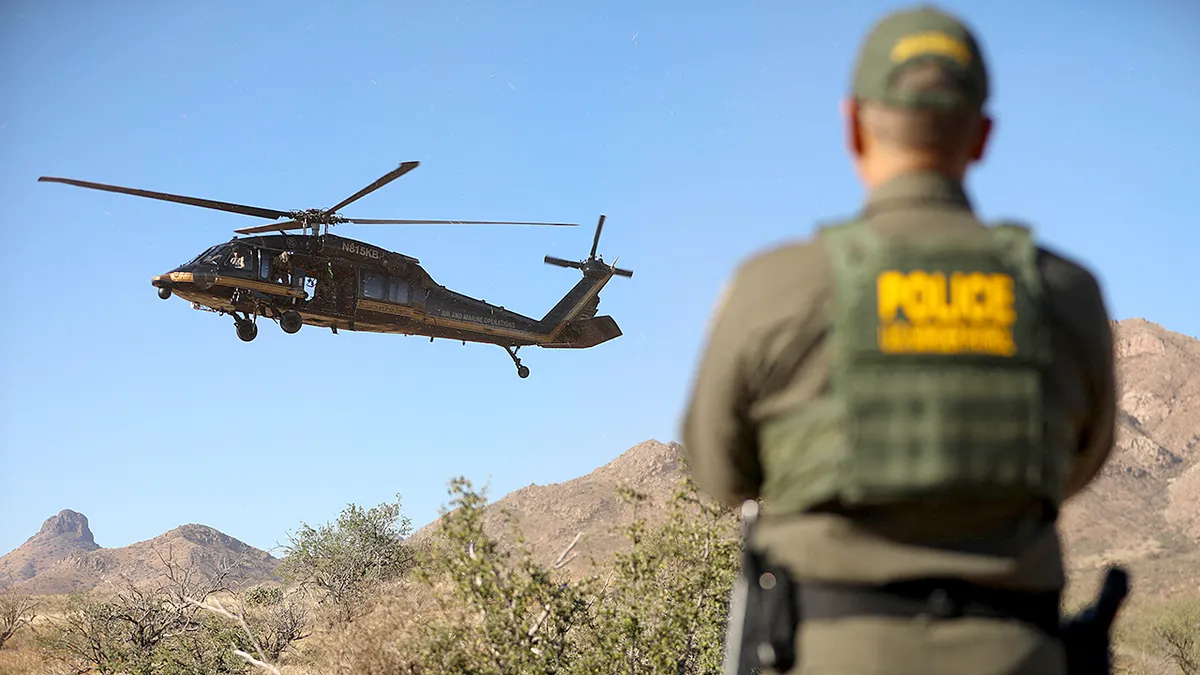
Joint Task Force-Southern Border continues to operate layered monitoring systems alongside CBP and DHS, maintaining what defense officials describe as a posture ready to engage threats if required.
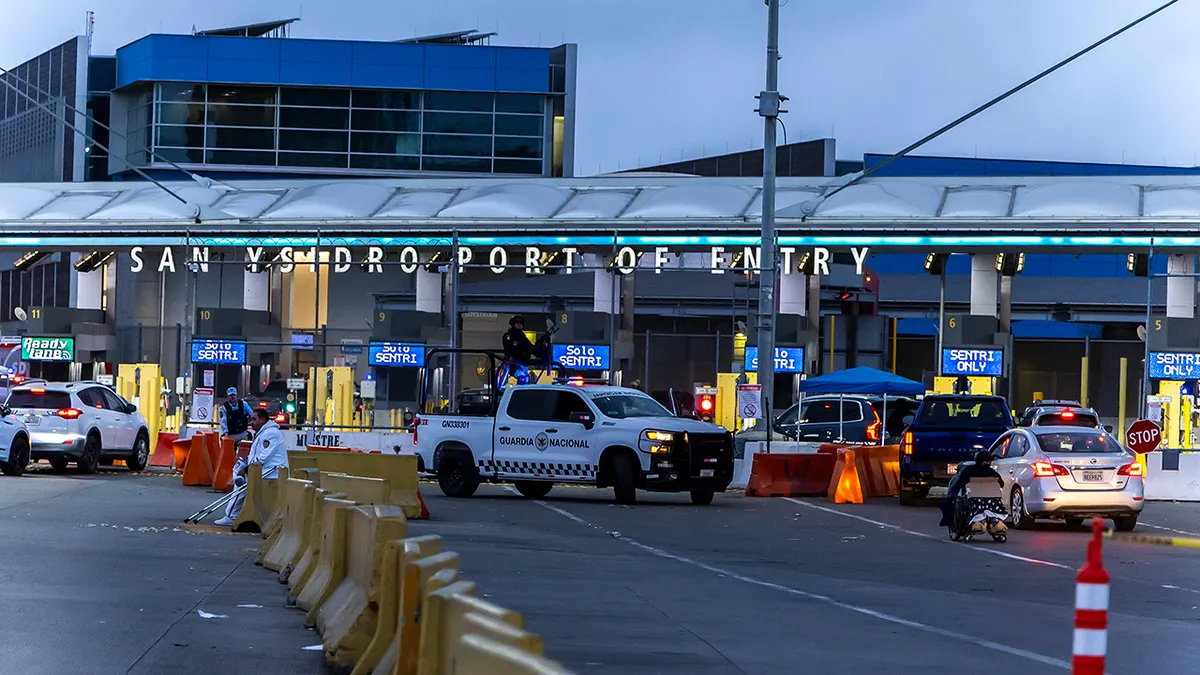
During last month’s Águila Alta operation in the Tijuana-San Diego area, Mexican defense forces detained one suspect and seized firearms, magazines and ammunition alongside the downed aircraft.