Mexico Arrests CJNG Leader ‘The Tank’ Linked to 2015 Helicopter Attack
Operative faces charges for 2015 military helicopter ambush and cartel fuel theft operations
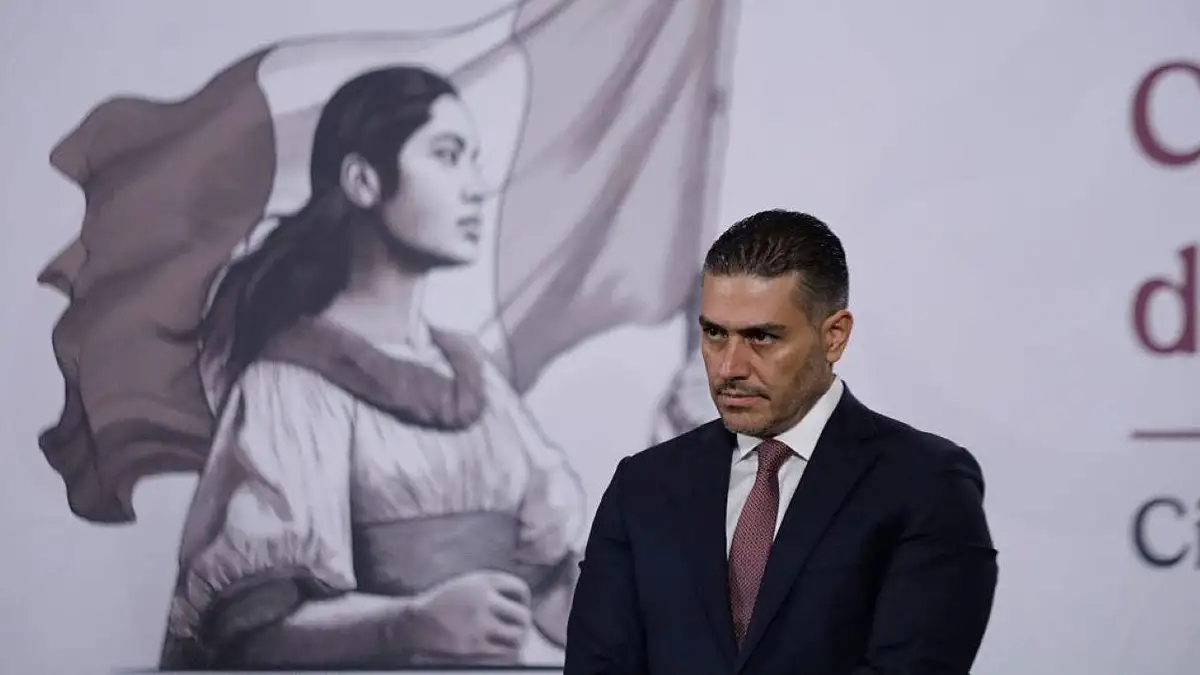
Mexican federal authorities have captured Iván Cazarín Molina, a high-ranking operative within the Jalisco New Generation Cartel (CJNG) accused of orchestrating one of the most brazen assaults against state security forces in modern Mexican history. Security Secretary Omar Garcia Harfuch confirmed Tuesday that Cazarín Molina, known by the alias “The Tank,” was taken into custody in Zapopan, Jalisco, following an intelligence-driven operation conducted with support from the U.S. Drug Enforcement Administration.
Cazarín Molina is a primary suspect in the May 2015 downing of a Mexican Army Eurocopter EC725 helicopter in Jalisco. The attack, carried out using .50-caliber Barrett rifles and rocket-propelled grenades, killed six soldiers and marked a turning point in cartel violence by demonstrating the ability of criminal organizations to neutralize military air assets. The incident forced the Mexican government to temporarily suspend aerial patrols in the region and prompted a significant shift in military engagement protocols against heavily armed paramilitary groups.
Beyond his alleged role in the helicopter ambush, investigators link Cazarín Molina to a portfolio of crimes essential to CJNG’s operational sustainability. He faces accusations of homicide, extortion, kidnapping, money laundering, and large-scale hydrocarbon theft. Fuel siphoning has become a critical revenue stream for the cartel, allowing it to diversify income beyond narcotics and fund its private army. Authorities seized firearms, drugs, and a vehicle during his apprehension.


The arrest underscores deepening bilateral law enforcement integration despite periodic diplomatic friction. Cazarín Molina was sanctioned by the U.S. Treasury Department in September 2024 for serving in the inner circle of CJNG leader Nemesio Oseguera Cervantes, alias “El Mencho.” That designation flagged him as a priority target and facilitated real-time intelligence sharing between Mexican prosecutors and American agents. He is now being transferred to the Specialized Prosecutor’s Office for Organized Crime Matters (FEMDO), which handles cases involving transnational criminal syndicates.
This capture occurs amid intensified pressure on Mexico’s two dominant cartels. Just days before Cazarín Molina’s arrest, the U.S. Treasury imposed sanctions on 21 individuals and 25 entities tied to Los Mayos, a faction of the Sinaloa Cartel led by U.S.-born Ismael “Mayito Flaco” Zambada Sicairos. While Los Mayos faces scrutiny for fentanyl trafficking and corruption networks extending into California, the CJNG remains distinguished by its direct military-style confrontations with the state and rapid territorial expansion across central and western Mexico.
Zapopan, where the arrest took place, serves as both a wealthy metropolitan hub and a strategic logistics corridor for the CJNG. Control over this area allows the cartel to manage distribution routes while extracting rents from legitimate businesses through extortion. Removing a senior figure like Cazarín Molina disrupts local command structures but also raises questions about succession planning within the organization, which has historically filled leadership vacuums quickly through internal promotion or violent consolidation.
Mexican officials stated that Cazarín Molina’s legal status will be determined strictly under domestic organized crime statutes. His case will test the capacity of FEMDO to prosecute complex conspiracy charges involving both historical acts of violence against the military and ongoing financial crimes.