Pope Leo XIV Lung Cancer: Post-Surgery Recovery on Track
Doctors confirm normal postoperative values after surgeons removed the lower lobe of the pontiff's right lung to treat adenocarcinoma.
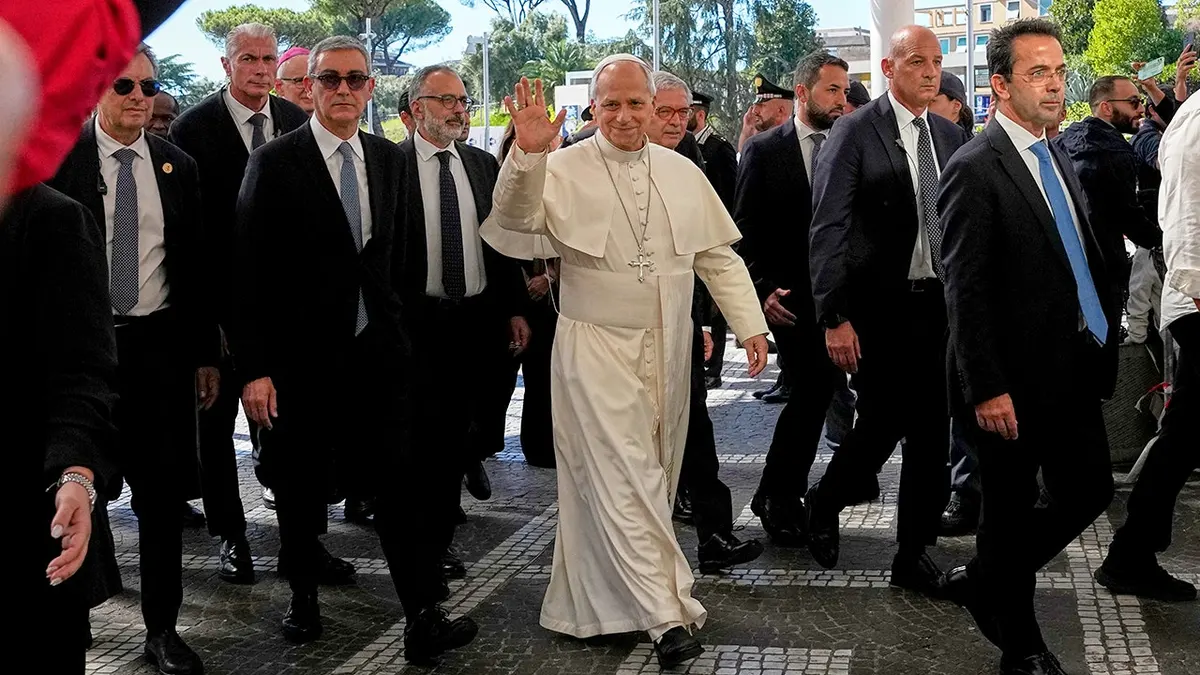
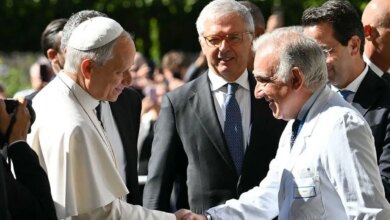
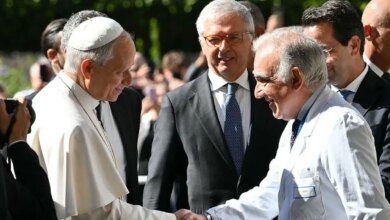
Pope Leo XIV is walking and eating normally one day after surgeons removed the lower lobe of his right lung to treat early-stage lung adenocarcinoma, the Vatican confirmed Thursday.
The 71-year-old pontiff underwent blood tests and a chest X-ray at Rome’s Agostino Gemelli Polyclinic on Wednesday morning. Dr. Luigi Carbone and Professor Stefano Margaritora reported that all postoperative values fell within expected ranges for a lobectomy. The patient has also started respiratory physiotherapy, a standard protocol designed to prevent fluid buildup and restore full pulmonary capacity after thoracic surgery.
Pathologists confirmed the diagnosis of adenocarcinoma through tissue examination during the Tuesday procedure, matching preoperative test results. Adenocarcinoma is the most common subtype of non-small cell lung cancer. When detected before spreading beyond the primary site, surgical resection alone frequently serves as the definitive treatment, often eliminating the need for chemotherapy or radiation.

The operation lasted approximately 90 minutes, though the pope remained in the operating theater for three hours total, accounting for anesthesia induction and immediate stabilization. Medical teams reported no complications.
Leo disclosed the finding publicly just 24 hours before entering the hospital. Speaking after his Monday Angelus address in St. Peter’s Square, he told crowds that doctors had identified a small lump “at a very early stage and well situated,” prompting the decision to intervene immediately rather than monitor the growth over time.
Gemelli Hospital carries deep historical significance for papal medical care. Often referred to informally as “Vatican III” due to the frequency with which popes have been treated there, the facility was where Pope John Paul II recovered following the 1981 assassination attempt and underwent multiple subsequent surgeries. Its specialized thoracic unit makes it the default destination for complex procedures involving the Bishop of Rome.
A formal diagnosis of cancer marks a rare precedent in modern papal history. While John Paul II managed Parkinson’s disease and other ailments, and Pope Benedict XVI cited declining physical strength when he resigned in 2013, an active pontiff undergoing oncological surgery introduces new questions regarding continuity of governance. Canon law contains detailed protocols for a pope’s death or resignation but lacks specific mechanisms for temporary incapacitation during medical recovery, leaving routine administration largely in the hands of the Roman Curia and the Cardinal Secretary of State until the pope resumes full duties.
The Holy See Press Office stated Wednesday night that the pope rested calmly. As of Thursday, no timeline has been announced for his discharge from Gemelli or his return to public liturgical functions at the Vatican.