
ليفربول يقلب الطاولة على برايتون وينفرد بصدارة الدوري الإنجليزي
كان ليفربول المستفيد الأكبر في المرحلة العاشرة من بطولة إنجلترا لكرة القدم، إثر تغلبه على ضيفه برايتون 2 – 1 وخسارة مانشستر سيتي للمرة الأولى هذا الموسم أمام بورنموث 1 – 2، وسقوط جديد لآرسنال أمام نيوكاسل 0 – 1 السبت. واستعاد ليفربول المركز الأول برصيد 25 نقطة، متقدماً بفارق نقطتين عن مانشستر سيتي و6 نقاط عن نوتنغهام فوريست مفاجأة الموسم حتى الآن، في حين تراجع آرسنال إلى المركز الرابع مع 18 نقطة.
على ملعب أنفيلد، قلب ليفربول تخلفه 0 – 1 في الشوط الأول إلى فوز 2 – 1 مجدداً انتصاره على منافسه بعد أن تغلب عليه أيضاً في عقر داره قبل 4 أيام 3 – 2 في مسابقة رابطة الأندية الإنجليزية المحترفة. وكان برايتون الطرف الأفضل في الشوط الأول واستحق تقدمه بهدف للتركي فيردي كاديوغلو في الدقيقة 14. لكن ليفربول ظهر بوجه مختلف تماماً في الشوط الثاني ونجح مهاجمه الهولندي كودي خابكو في إدراك التعادل عندما مرر كرة عرضية لولبية اجتازت دفاع برايتون وسكنت الشباك في الدقيقة 69.
وسرعان ما حسم المصري محمد صلاح النتيجة لصالح فريقه بتسديدة لولبية ولا أروع من داخل المنطقة عانقت الشباك في الدقيقة 72، وحاول برايتون إدراك التعادل فيما تبقى من الوقت، لكن دفاع ليفربول كان يقظاً وأحبط جميع محاولاته.
خسارة أولى لسيتي
وعلى ملعب «فيتاليتي» على الساحل الجنوبي، أضاف بورنموث مانشستر سيتي إلى قائمة ضحاياه هذا الموسم بالفوز عليه 2 – 1، ملحقاً به الخسارة الأولى هذا الموسم. والخسارة هي الثانية لسيتي خلال 4 أيام، بعد سقوطه أمام توتنهام 1 – 2 في كأس الرابطة وتوديعها مبكراً. وكان بورنموث ألحق أيضاً الخسارة الأولى بآرسنال هذا الموسم قبل أسبوعين بالفوز عليه 2 – 0. وافتتح بورنموث التسجيل بواسطة مهاجمه الغاني أنطوان سيمينيو بعد مرور 9 دقائق عندما وصلت له الكرة وظهره إلى المرمى فاستدار على نفسه وسدد داخل شباك الحارس البرازيلي إيدرسون.
وأضاف البرازيلي إيفانيلسون الثاني في الدقيقة 64، ورد سيتي بهدف لمدافعه الكرواتي يوسكو غفارديول في الدقيقة 82، وأضاع هداف سيتي الدولي النرويجي إرلينغ هالاند فرصة ذهبية عندما سدد كرة رأسية من أمام المرمى لكن حارس مرمى بورنموث تصدى لمحاولته ببراعة في الوقت بدل الضائع.
وثانية توالياً لآرسنال
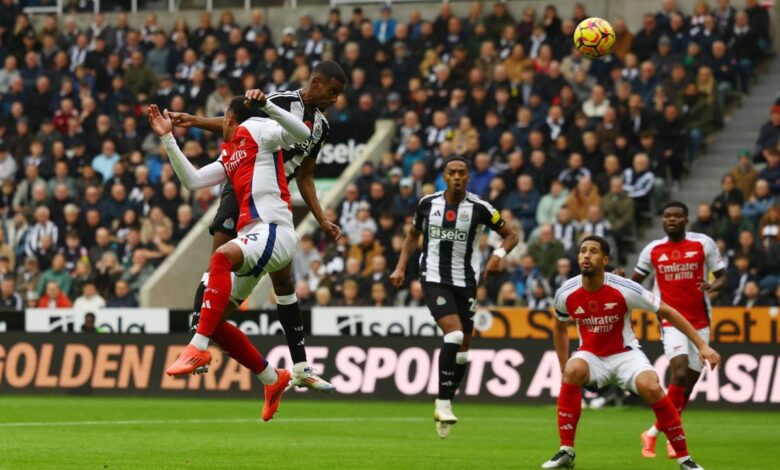
وأخفق آرسنال، وصيف الموسم الماضي، في تحقيق الفوز للمباراة الثالثة على التوالي في الدوري، بعد سقوطه على أرض نيوكاسل 0 – 1، وسجل السويدي ألكسندر إيزاك الهدف الوحيد في الدقيقة 12 لنيوكاسل الذي صعد من المركز الثاني عشر إلى التاسع مؤقتاً. في المقابل، عجز آرسنال عن تهديد مرمى المضيف، رغم استحواذه الكرة معظم فترات المباراة. وأوقف نيوكاسل نزيف النقاط، محققاً فوزه الأول في 6 مباريات، وذلك بعد أن بلغ، الأربعاء، ربع نهائي كأس الرابطة بفوزه على تشيلسي 2 – 0، معوضاً خسارته أمامه 1 – 2 في الدوري قبلها بثلاثة أيام.
واستعاد آرسنال الذي لا يزال يفقد نجم وسطه النرويجي مارتن أوديغارد، قلبي دفاعه الفرنسي ويليام صليبا بعد انتهاء إيقافه والبرازيلي غابريال المتعافي من إصابة. وفي حين أثيرت شكوك حول إمكانية مشاركته في المباراة بسبب الإصابة، لعب إيزاك (25 عاماً) أساسياً إلى جانب البرازيلي جولينتون وأنتوني غوردون. وهزّ إيزاك (1.92 م) الشباك مبكراً من عرضية على المسطرة لغوردون هبطت بين صليبا وغابريال، تابعها السويدي البالغ 25 عاماً برأسه لا تصدّ في الزاوية العليا لمرمى الإسباني الدولي ديفيد رايا. وهذا الهدف السادس عشر في آخر 17 مباراة لإيزاك على ملعب سانت جيمس بارك.
في الشوط الثاني، دفع مدرب آرسنال الإسباني ميكيل أرتيتا بالمراهق إيثان نوانيري والبرازيلي غابريال جيزوس بحثاً عن التعديل، من دون القدرة على هزّ شباك المخضرم نيك بوب. وكانت المباراة الأخيرة بين الفريقين على أرض نيوكاسل قد أثارت جدلاً كبيراً لاحتساب هدف الفوز لغوردون، بعد الاحتكام 3 مرات لحكم الفيديو المساعد (في إيه آر)، ما دفع أرتيتا إلى وصف الأمر بـ«الفضيحة».
وتابع نوتنغهام فوريست نتائجه الرائعة بفوز سهل على وستهام المنقوص بثلاثية نظيفة. وتقدم نوتنغهام فوريست بواسطة هدافه النيوزيلندي كريس وود بكرة رأسية في الدقيقة 27، ثم تعقدت مهمة وستهام بطرد لاعب وسطه المكسيكي إدسون ألفاريس في الثواني الأخيرة من الشوط الأول ليكمل فريقه المباراة بـ10 لاعبين. استغل فوريست النقص العددي في صفوف منافسه ليضيف هدفين الأول بواسطة كالوم هودسون أودوي في الدقيقة 65 والنيجيري أولا أوينا بتسديدة رائعة بيسراه من مشارف المنطقة في الدقيقة 78. وحقق ساوثهامبتون فوزه الأول هذا الموسم بتغلبه على إيفرتون بهدف لمهاجمه الأسكوتلندي آدم أرمسترونغ. وحرم ليستر سيتي 10 لاعبين من مضيفه إبسويتش تاون من تحقيق أول انتصار في الدوري الإنجليزي الممتاز بعدما سجل جوردان أيو هدفاً متأخراً للفريق الزائر في الشوط الثاني ليُلغي هدف رائع للمدافع ليف ديفيز.


