17 Restaurant Copycat Recipes That Cost Less Than Takeout
From Olive Garden soup to Popeyes chicken, these chain-inspired meals cost a fraction of dining out.

U.S. restaurant prices have climbed roughly 30% since early 2020, according to Bureau of Labor Statistics data, pushing a growing number of households to replicate their favorite chain meals at home rather than absorb the markup. The math is straightforward: a single entrée that costs $18 to $24 at a casual dining chain often requires less than $5 in raw ingredients per serving when cooked from scratch.
The most immediate savings come from recreating dishes built around inexpensive pantry staples. Olive Garden’s Pasta e Fagioli soup relies on dried beans, small pasta shapes, and canned tomatoes — components that cost pennies per ounce compared to the $8 to $10 charged for a bowl at the table. Chipotle Mexican Grill’s seasoned black beans follow the same logic. A pound of dried black beans yields roughly six cups of cooked beans for under $2, easily replacing the extra charge added to every burrito bowl order.
Rice-based sides offer similar returns. LongHorn Steakhouse pairs its entrées with a pilaf-style rice cooked alongside onions, bell peppers, and chicken broth. Replicating this side dish at home bypasses the premium attached to steakhouse accompaniments while using vegetables that typically cost less than a dollar combined.


Chicken dominates the copycat landscape because it serves as the primary protein across fast food, fast casual, and sit-down chains alike. Popeyes Louisiana Kitchen built its modern brand identity around two distinct preparations: heavily breaded fried chicken and Cajun-spiced blackened tenders. Both techniques are fully reproducible without commercial pressure fryers. Blackening requires only a cast-iron skillet heated until smoking, combined with a dry rub of paprika, garlic powder, onion powder, cayenne, and dried thyme. KFC’s signature buttermilk-soaked fried chicken follows a comparable home-kitchen path, relying on a seasoned flour dredge and controlled oil temperature rather than proprietary equipment.
Casual steakhouses lean heavily on rich toppings to justify higher menu prices. Outback Steakhouse’s Alice Springs Chicken layers sautéed mushrooms, bacon, melted cheese, and honey mustard sauce over a grilled breast. Ruth’s Chris Steakhouse applies a similar approach with stuffed chicken breasts bound by cream cheese, cheddar, Ranch seasoning, and Worcestershire sauce. Texas Roadhouse opts for an herb-crusted preparation using dried herbs and cracked black pepper. In all three cases, the restaurant charges for assembly and presentation rather than expensive raw materials. Buying chicken breasts in family packs routinely drops the per-pound cost below $3, making these steakhouse centerpieces some of the most margin-friendly recipes to reverse-engineer.
Breakfast menus present the starkest price disparities. McDonald’s hotcakes use a standard batter formula — flour, sugar, baking powder, milk, and egg — nearly identical to any basic pancake recipe. A drive-thru breakfast meal frequently exceeds $6 per person, while a homemade batch feeds four people for roughly the same total cost.
Soup remains one of the highest-margin categories for restaurants and therefore the smartest target for home cooks. Chili’s Baked Potato Soup and Outback Steakhouse’s potato soup share an almost identical DNA: a roux-thickened base loaded with diced potatoes, shredded cheddar, crumbled bacon, and fresh chives. Cracker Barrel’s chicken and dumplings operates on the same principle of volume, stretching a whole bird or rotisserie carcass into multiple servings through the addition of simple dough dropped directly into simmering broth.
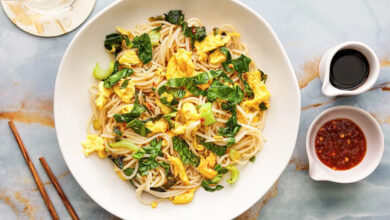
International takeout carries hidden costs beyond the menu price. Delivery apps routinely add service fees, delivery charges, and suggested tips that inflate a $15 order to $25 or more. Pad Kee Mao, commonly known as Drunken Noodles, requires flat rice noodles, Thai basil, fresh chiles, soy sauce, and fish sauce. These ingredients are widely available in U.S. grocery stores and maintain long shelf lives, making Thai stir-fry a practical weeknight option once the initial pantry investment is made.
Appetizers and cold sides round out the most replicated dishes. Bruschetta al Pomodoro, a staple starter at Italian chains like Olive Garden, demands nothing more than ripe tomatoes, fresh basil, garlic, olive oil, and toasted baguette slices. Popeyes coleslaw uses finely shredded cabbage and carrots tossed in a sweet, tangy mayonnaise-based dressing — a preparation that improves after several hours in the refrigerator, making it ideal for advance prep.
Slow-cooker barbacoa tacos, inspired by Chipotle’s shredded beef, transform cheaper cuts like chuck roast into tender meat through extended low-temperature braising with dried chiles, cumin, cloves, and garlic. The method requires minimal active cooking time and produces enough protein for multiple meals, from tacos to grain bowls.
Grocery retailers have responded to this shift. Major chains including Kroger, Walmart, and Aldi have expanded their private-label spice blends, pre-mixed seasonings, and bulk protein offerings throughout 2025 and 2026, catering directly to consumers building restaurant-quality meals on household budgets.