

Police Visit Engineer Who Built Camera to Track Patrol Cars, Raising Surveillance Paradox
Police visit highlights paradox as surveillance tools become cheap enough for civilians to watch the watchers
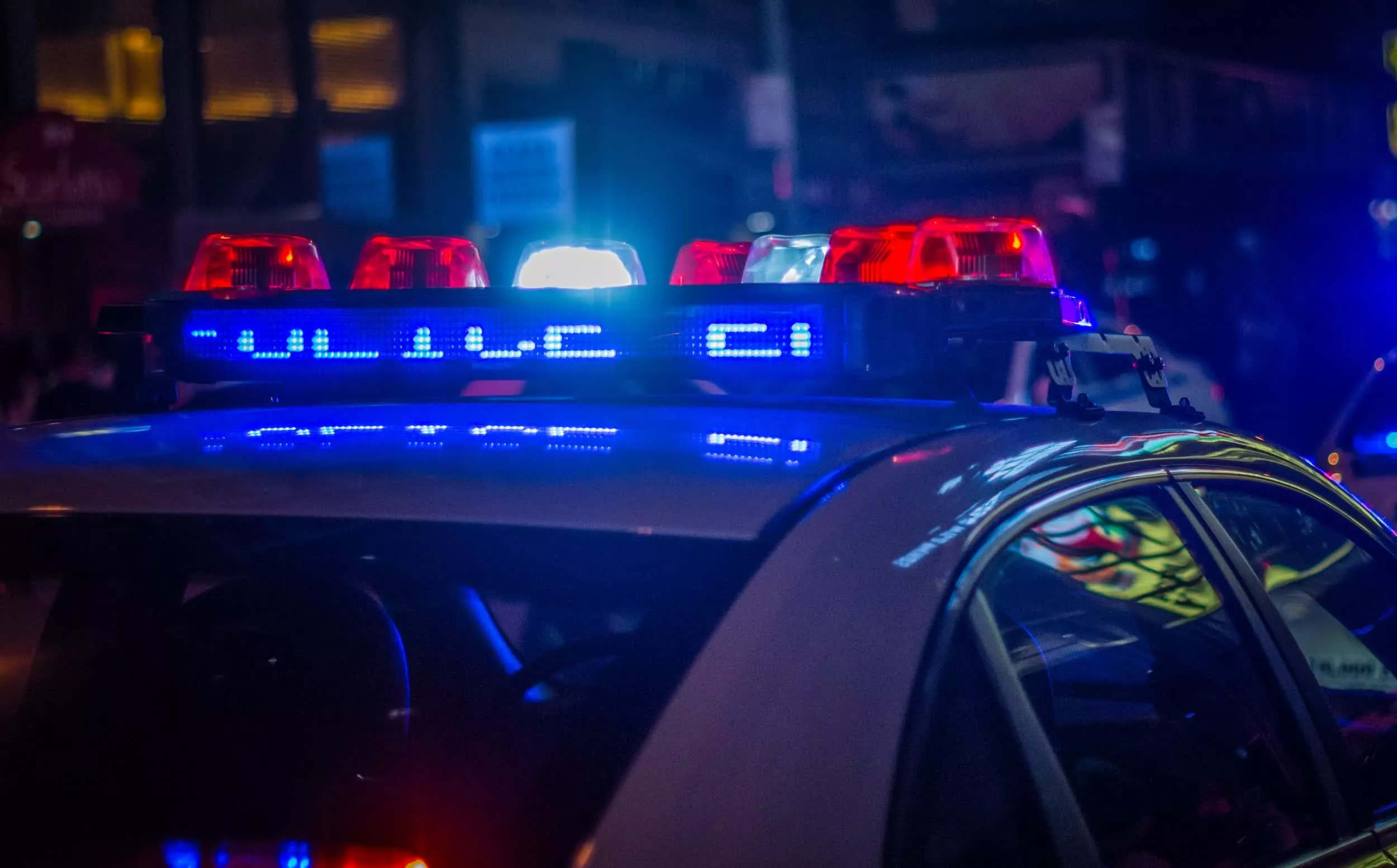
Peel Regional Police officers arrived at Anthony Sistilli’s Ontario home last month with an unusual complaint: the software engineer had built a automated license-plate reader designed to identify police vehicles, and they wanted to know why he was tracking them.
Sistilli, who documented the encounter in a YouTube video posted this week, told the officers his project mirrored the same surveillance technology police departments use daily — but reversed the gaze. His prototype, assembled from a $180 camera and code written with AI assistance, uses automatic license plate recognition (ALPR) to flag marked and unmarked patrol cars passing his residence, then attempts to read their plates.
The visit underscores a growing tension as surveillance tools become cheaper and more accessible. ALPR systems, once limited to law enforcement and tolling agencies, now appear in consumer products and hobbyist projects. Commercial networks like Flock Safety have deployed tens of thousands of cameras across the United States, creating searchable databases that let police query plate sightings far beyond their own jurisdictions. Civil liberties groups have long warned that such dragnet collection — often retaining data for months or years — creates a de facto location history for anyone who drives.


Sistilli’s system is far from that scale. In an hour-long test, it captured two police vehicles, but neither plate was legible. The engineer said he lowered the camera’s resolution from 4K to make real-time processing feasible on modest hardware, splitting the task into two stages: first detect a police vehicle, then attempt a plate read. That design choice also meant the system only recorded plates after classifying a car as law enforcement — a privacy filter absent from most police ALPR deployments, which scoop up every passing vehicle.
According to Sistilli’s account, the visiting officers were polite but explicit about their concern: repeated observations could reveal patrol patterns, shift changes, or the locations of undercover units. He said he replied that civilians have voiced identical worries about police plate readers for years. The officers, he added, suggested stronger disclosure requirements for ALPR data could compromise active investigations — a standard law enforcement argument for exempting surveillance records from public records laws.
Peel Regional Police did not respond to requests for comment on the visit or the department’s own ALPR policies.
The episode arrives as courts and legislatures grapple with ALPR’s expanding reach. The California Supreme Court ruled in 2022 that license-plate data collected by police is not categorically exempt from the state’s public records act, though agencies may withhold specific records tied to ongoing investigations. In Virginia, the state supreme court held in 2019 that passive ALPR collection constitutes a search under the state constitution, requiring a warrant for targeted surveillance. No equivalent federal precedent exists.
Flock Safety, the largest U.S. ALPR vendor, markets its network as a force multiplier: cameras installed by homeowners associations, businesses, and municipalities feed a shared cloud platform that police can search with a single query. Critics say the model effectively privatizes mass surveillance, sidestepping procurement oversight and policy controls that govern government-owned systems. The company says it retains data for 30 days by default unless a customer requests longer, and that its terms prohibit non-law-enforcement users from accessing the database.
Sistilli’s project, by contrast, stores nothing centrally. It runs locally, discards non-police vehicles, and exists primarily as a proof of concept. Yet it drew a police response that commercial networks — which capture millions of plates daily — rarely do.
The engineer said he plans to refine the software and publish the code. His next test will focus on improving plate readability at night.









