Tanker Captains Earn $150,000 Monthly as Iran Escalation Drives Hormuz Freight Rates to Record $1.3 Million Daily
Freight costs hit 60-year highs as Iran escalation forces shuttle operations and global tanker shortage
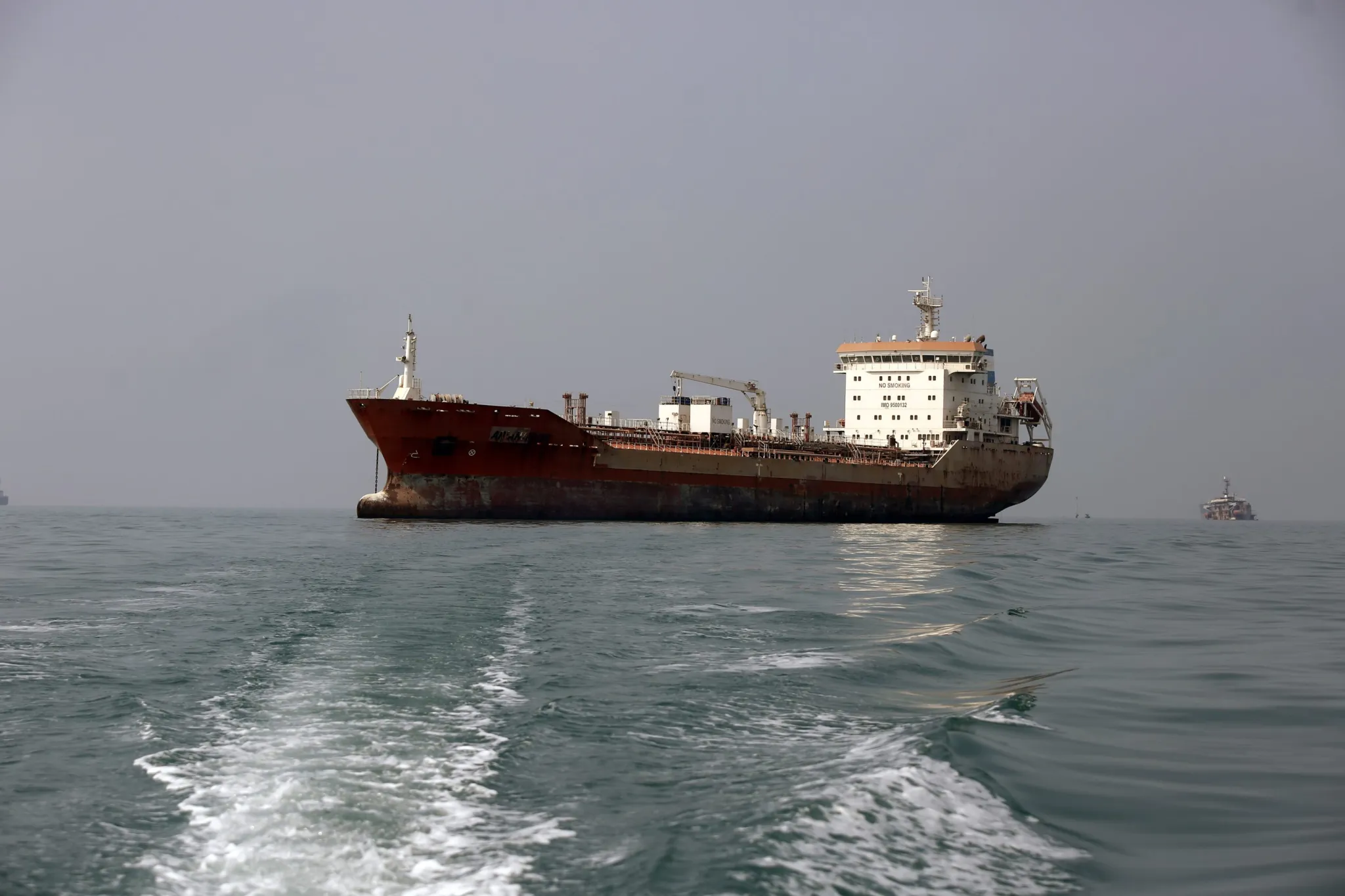
Tanker captains willing to steer vessels through the Strait of Hormuz are now commanding $100,000 per month plus a $50,000 per-voyage bonus — ten times standard compensation — as Iranian drone and missile strikes push war-risk insurance and freight costs to levels unseen since the supertanker era began in the 1960s.
The hazard pay, confirmed by shipbrokers and crew agencies, reflects a labor market where ordinary mariners earning $1,500 monthly can quadruple or sextuple their income by accepting Gulf transits. Yet the premium masks a deepening crisis: 93 commercial vessels have been struck and 24 seafarers killed since hostilities intensified in late February, according to the International Maritime Organization.
War-risk premiums now consume 6% to 10% of a vessel’s insured value — up to $20 million for a Very Large Crude Carrier — while daily charter rates for Hormuz transits have surged to $1.3 million from a pre-crisis range of $20,000 to $50,000. Brokerage SSY calculates that inflation-adjusted rates are the highest in six decades. Gibson Shipbrokers noted that hiring a tanker for a U.S.-China voyage now costs roughly $80 million, exceeding the $74 million list price of a SpaceX Falcon 9 launch.


The strait, a 21-mile-wide chokepoint handling roughly 20% of global petroleum liquids, has become a shuttle zone. Tankers make short runs into the Gulf, offload via ship-to-ship transfer in the Gulf of Oman, and depart — each leg triggering another danger bonus. This operational pattern has absorbed so much tonnage that a global tanker shortage has lifted rates on unrelated routes, prompting refiners and trading houses to explore buying their own fleets to control costs.
European refiners are already feeling the squeeze. Repsol’s processing margin collapsed from $36 per barrel in the third quarter to $15 in October, RBC Capital Markets estimates. Further erosion could force run-rate cuts, tightening fuel supply in a market already strained by OPEC+ restraint.
Iran’s calculus appears twofold: reassert leverage over the waterway without triggering a full U.S. military response, and preserve escalation options. The Bourse & Bazaar Foundation warns Tehran retains capacity to strike drilling rigs, export terminals, and refineries across the region — a “scorched earth” scenario that would remove millions of barrels from world markets. Diplomatic off-ramps offered by the Trump administration have so far been rejected.
Pipelines bypassing Hormuz — Saudi Arabia’s East-West line and the UAE’s Fujairah route — carry roughly 6.5 million barrels daily combined, but spare capacity is limited. Meanwhile, the International Bargaining Forum, which sets wage standards for the International Transport Workers’ Federation, has not yet ratified a Gulf-specific hazard scale, leaving individual operators to negotiate ad hoc.
Crew welfare advocates report instances of seafarers pressured to remain aboard despite expired contracts, raising potential violations of the Maritime Labour Convention. The U.S. Navy’s Fifth Fleet maintains a presence but escorts only U.S.-flagged or closely allied vessels.
With Iranian uranium enrichment advancing and regional proxy conflicts widening, underwriters at Lloyd’s and the International Group of P&I Clubs are reviewing whether current war-risk boundaries — last redrawn after the 2019 tanker attacks — adequately capture the expanded threat envelope extending into the Arabian Sea.