Amazon Pledges $1B to Ease Data Center Opposition
Hyperscalers race to fund local infrastructure as over 100 U.S. municipalities move to block AI facility construction.
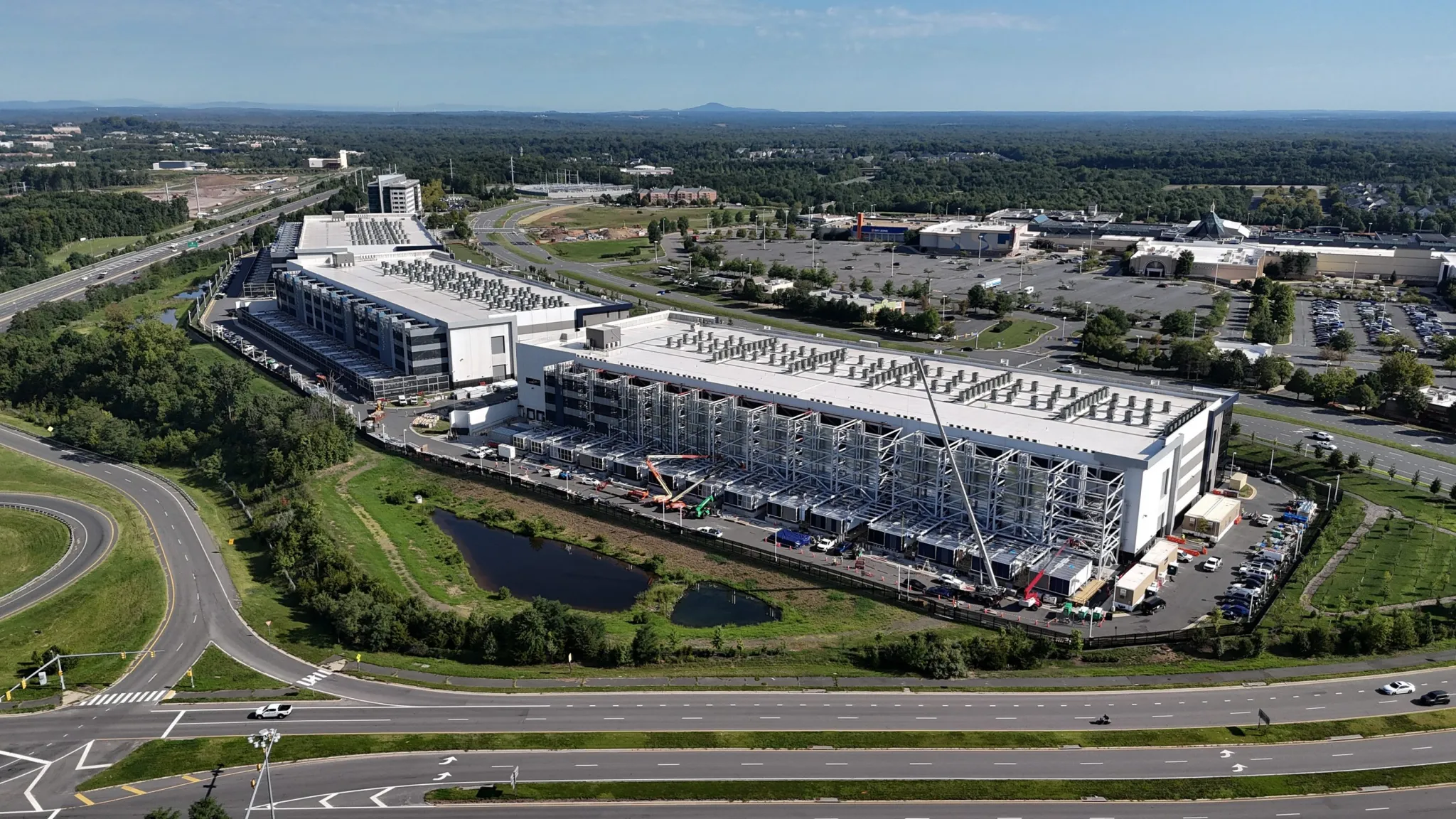
Local governments across the United States have introduced more than 100 moratoriums or restrictions on new data center construction, creating a regulatory bottleneck that threatens to stall the artificial intelligence infrastructure buildout. Amazon Web Services is attempting to break through that resistance with a $1 billion, five-year community investment initiative designed to offset the strain its facilities place on local power grids, water supplies, and housing markets.
The program, called Built Together, targets the specific grievances driving municipal pushback: rising residential energy costs, depleted water resources, and a lack of permanent local employment once construction crews leave. Amazon Web Services CEO Matt Garman announced the initiative on Oct. 2, framing the current wave of local bans as a long-term economic threat. He compared the required data center expansion to the construction of the interstate highway system, arguing that blocking these facilities could sideline the U.S. in the global AI race for generations.
Unlike previous corporate goodwill efforts that often focused on one-time grants, Built Together attempts to embed Amazon into local workforce pipelines. The company plans to cover remaining tuition costs for community college students pursuing certificates and associate degrees in HVAC, fiber optics, and information technology after existing financial aid is applied. Amazon estimates this will reach more than 300,000 students over five years. Simultaneously, the company’s skilled trades centers aim to train up to 100,000 workers annually by the end of 2028, funneling labor directly into Amazon projects and its construction partners.


This strategy reflects a shift in how hyperscalers approach site selection. Historically, tech giants secured data center locations primarily through aggressive property tax abatements and cheap industrial electricity rates, leaving host municipalities with minimal ongoing economic benefits beyond temporary construction jobs. That model has fractured as generative AI demands unprecedented computing density. Modern AI training clusters require significantly more power and liquid cooling than traditional cloud storage servers, intensifying competition with residential consumers for finite utility capacity.
To address the energy burden directly, Amazon committed to funding efficiency upgrades for more than 30,000 homes and 300 schools and community buildings. Garman pushed back against the narrative that data centers are solely responsible for climbing utility bills, attributing rate hikes instead to aging electrical grids that lacked necessary investment before demand surged. He noted that an average Amazon data center consumes fewer than 13,000 gallons of water daily.
The financial incentives for municipalities remain substantial. In St. Joseph County, Indiana, Amazon projects it will generate over $3 billion in tax revenue over the investment period, dwarfing the $1.2 million the same land would have produced under its prior use. Local officials and community organizations will direct portions of the funding toward roads, parks, fire equipment, affordable housing, and food assistance.
Competitors are deploying similar defensive strategies as permitting battles intensify. Microsoft pledged in January to absorb the electricity and grid upgrade costs associated with its facilities, preventing those expenses from falling on local ratepayers. Meta reported investing more than $550 million in water and wastewater infrastructure within its host communities to mitigate concerns about aquifer depletion.
These corporate concessions arrive amid hardening political realities. New York enacted a statewide moratorium on large new data centers in July. Virginia, which hosts the densest concentration of data centers on the planet in Northern Virginia, has seen public sentiment sour rapidly. A March poll conducted by The Washington Post and the Schar School found only 35% of Virginians were comfortable with a new facility being built near them. Amazon is currently facing direct opposition in Loudoun County, Virginia, where local officials are contesting a proposed 800,000-square-foot facility on the former George Washington University Virginia Science and Technology campus.