Canada Tariffs Threaten Midterm Battleground State Economies
Auto supply chains and agricultural exports in five key states face compounding costs after September trade escalation.
A single automotive component can cross the U.S.-Canada border eight times before a vehicle rolls off an assembly line. With new tariffs now in effect, that deeply integrated manufacturing process is generating compounding costs just weeks before American voters head to the polls for the November midterm elections.
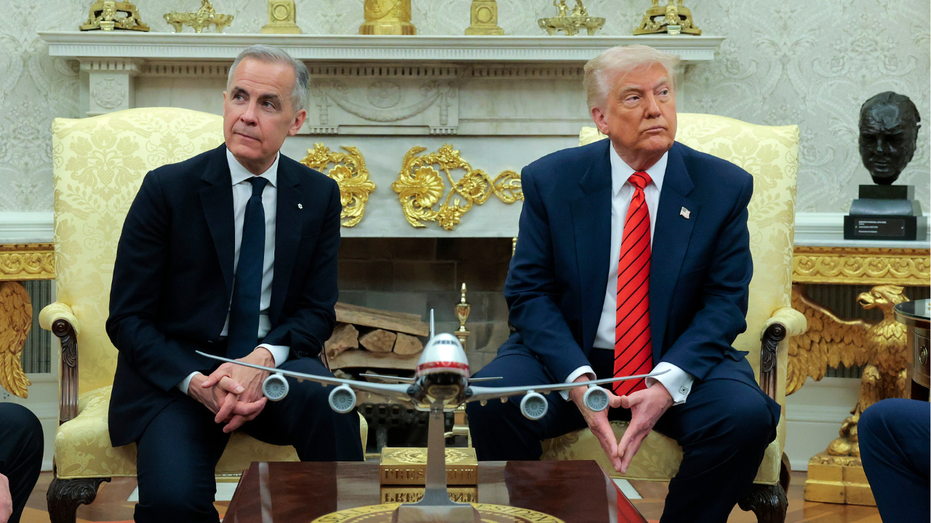
The latest round of duties took effect Sept. 29 after trade negotiations between Washington and Ottawa collapsed under the leadership of President Donald Trump and Canadian Prime Minister Mark Carney. The measures target billions of dollars in bilateral commerce. Washington simultaneously banned nearly $1 billion in Canadian imports, including alcohol, dairy products and motorcycles, while Canada activated its own retaliatory tariff schedule.
The economic fallout concentrates heavily in five states where control of Congress will likely be decided: Michigan, Ohio, Pennsylvania, Illinois and Wisconsin. These states share extensive cross-border supply chains in manufacturing, agriculture and heavy industry. Unlike consumer goods imported from overseas, industrial inputs from Canada are often embedded deep within domestic production lines, meaning tariffs act as a hidden tax on American manufacturers before a finished product ever reaches a store shelf.


Michigan faces the most acute structural risk because of its auto sector. Under the United States-Mexico-Canada Agreement, which replaced NAFTA in 2020, vehicles must contain a high percentage of North American-made parts to qualify for duty-free treatment. That requirement forced automakers to weave their supply chains tightly across the border. A threatened 50% tariff on Canadian auto exports scheduled to take effect Jan. 1 could disrupt production schedules and force automakers to absorb or pass along massive cost increases during the winter manufacturing cycle.
Ohio has roughly $2.3 billion in annual exports exposed to the dispute, according to David Clement, policy director of the Consumer Choice Center. The state’s machinery, transportation, minerals and metals sectors rely on Canadian buyers. Pennsylvania carries just under $1.8 billion in exposed exports, creating a dual burden for manufacturers who buy Canadian raw materials at higher prices while struggling to sell finished equipment into a market that is actively penalizing American goods.
Illinois and Wisconsin face distinct vulnerabilities tied to agriculture and chemicals. Wisconsin’s dairy farmers operate on notoriously thin margins and depend on predictable access to Canadian processors. When agricultural tariffs rise, foreign buyers do not simply pay more; they shift procurement to competitors in Europe or South America, potentially permanently severing trade relationships built over decades.
Trump maintains the tariffs will protect American industries and incentivize domestic manufacturing investment. However, the timeline for reshoring complex industrial capacity spans years, while the midterm election arrives in a matter of weeks. Businesses facing sudden input cost spikes typically respond by freezing capital expenditures, delaying hiring or reducing production shifts.
At a recent G20 trade ministers meeting, U.S. Trade Representative Jamieson Greer acknowledged that core issues driving the dispute remain unresolved. The lack of a diplomatic off-ramp leaves businesses operating without certainty heading into the fourth quarter.
Even if the midterms produce a shift in congressional power, lawmakers have limited tools to intervene. Presidents wield broad unilateral authority over trade policy through statutes such as Section 232 of the Trade Expansion Act of 1962 and the International Emergency Economic Powers Act. Congress cannot easily override executive tariff actions without passing new legislation subject to a presidential veto, leaving the economic trajectory of these battleground states tethered to ongoing White House negotiations with Ottawa.