Divina Launches as Dedicated Marketplace for Tarot and Spell Services
Platform targets $2.3B industry gap as Gen Z builds personalized faith stacks and Etsy restricts metaphysical sellers
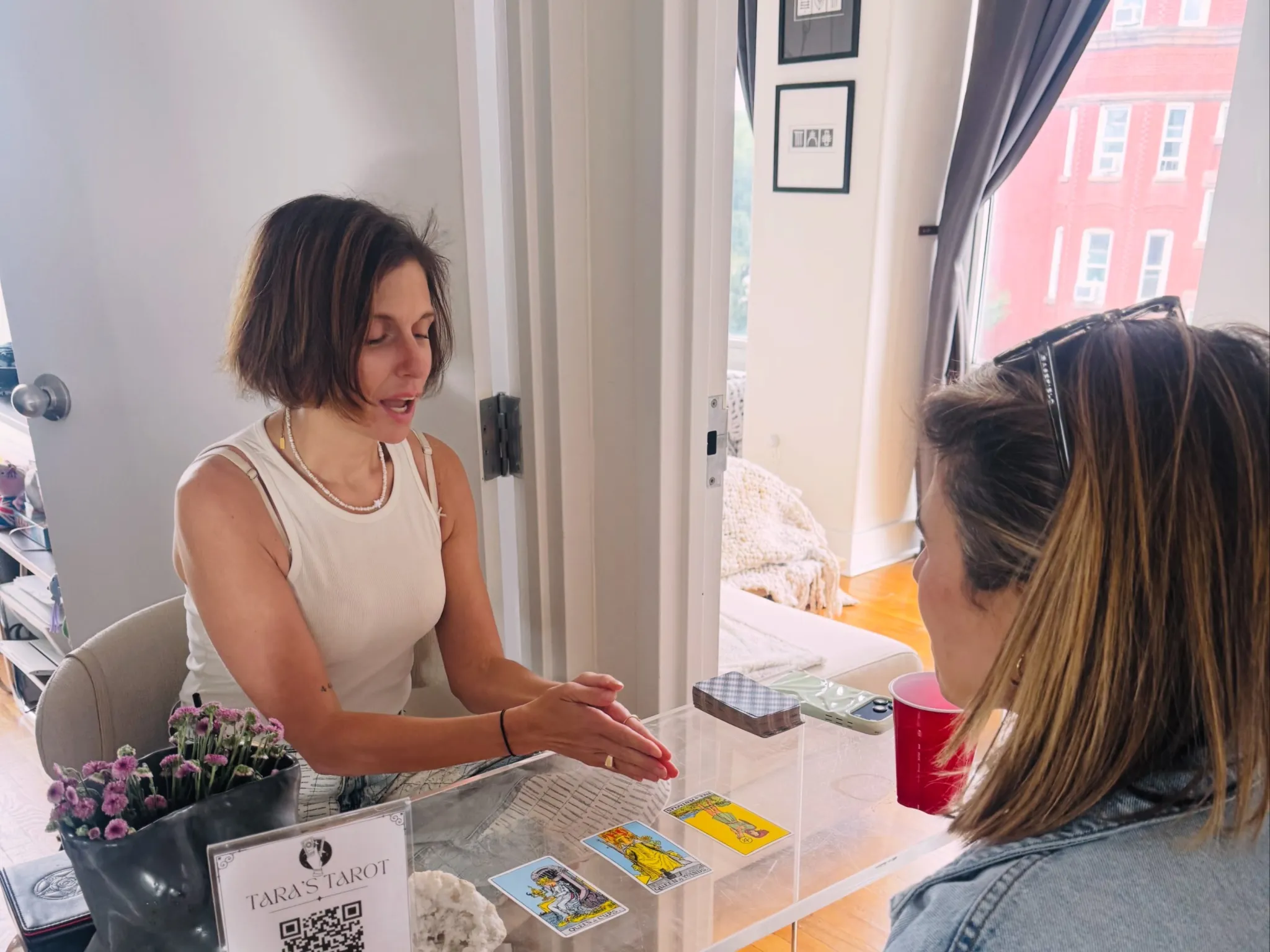
A new digital platform aims to professionalize the fragmented $2.3 billion U.S. psychic services industry by offering a dedicated marketplace for spellcasting, tarot, and spiritual guidance. Divina launched on September 1, positioning itself as a specialized alternative to general freelance sites that have recently tightened restrictions on metaphysical services.
The platform operates on a service-based model similar to TaskRabbit, where practitioners set their own rates and the platform retains a 10% commission. Unlike traditional e-commerce sites that require tangible deliverables, Divina explicitly accommodates intangible spiritual services such as Reiki, astrology readings, and ritual work. This distinction addresses a growing enforcement gap; Etsy has increasingly removed shops selling spellcasting or outcome-based magic, despite the category generating significant revenue through alternative listings like recorded readings.
Consumer demand for these services is driven less by a belief in supernatural intervention and more by a need for personalized narrative structure. Marketing researchers distinguish this paid tier from free algorithmic content by its focus on interpretation over information. While social media feeds provide generic horoscopes based on engagement data, paid practitioners offer specific validation for individual crises involving relationships, careers, or major life transitions. The transaction functions as a mechanism for psychological agency, allowing clients to convert abstract anxiety into manageable options regardless of whether they view the practice as literal or symbolic.


This market expansion coincides with shifting spiritual demographics among younger Americans. Rather than abandoning faith, Gen Z consumers are increasingly assembling a “Faith Stack” that combines traditional religion with manifestation, tarot, and astrology. Harris Poll data indicates 33% of Gen Z identifies as religious, yet half also practice manifestation techniques. For this demographic, spiritual commerce is not a replacement for therapy or organized religion but a supplementary tool for navigating uncertainty in an unpredictable economic and social landscape.
Divina’s early growth suggests a supply-side readiness for centralized infrastructure. The platform onboarded more than 100 practitioners and 200 listings within its first month without paid recruitment, largely absorbing sellers displaced by policy changes elsewhere. Current bookings average several per day, with initial transactions exceeding $1,000. To mitigate fraud risks inherent in unregulated spiritual services, the platform requires identity verification for all providers and enforces a 72-hour dispute window before releasing funds, though terms explicitly state that customers are purchasing a performed service rather than a guaranteed result.