Ynon Kreiz’s Unconventional Path From Mattel CEO to Paramount-Warner Bros. Integration Leader
The Mattel CEO's track record of betting on unproven IP and distressed media assets positioned him to navigate Hollywood's largest studio merger.
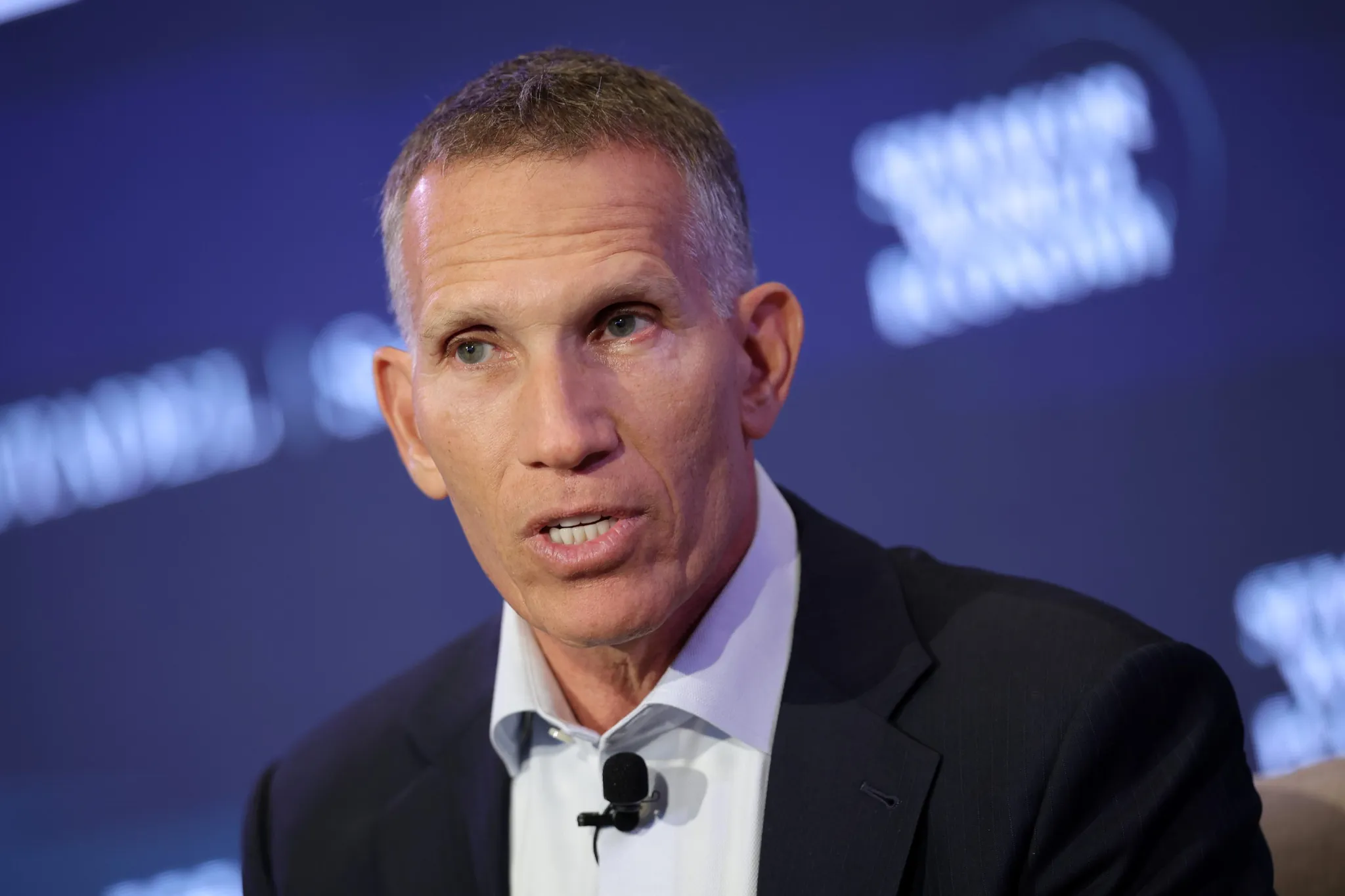
Ynon Kreiz is stepping into one of the most complex corporate integrations in modern entertainment history, tasked with guiding the merger of Paramount and Warner Bros. The appointment places a toy executive at the center of Hollywood’s latest consolidation wave—a move that defies traditional media succession planning but aligns precisely with how the 60-year-old Israeli-American businessman has navigated his entire career.
Kreiz’s selection signals that legacy studios are no longer looking for traditional studio chiefs to manage their future. Instead, they are turning to executives who understand how to convert dormant intellectual property into global franchises, a strategy Kreiz pioneered at Mattel after taking over as CEO in 2018. He inherited a company that had burned through four chief executives in four years and was struggling to maintain relevance against digital-native competitors. Rather than focusing solely on manufacturing efficiencies, he repositioned the 81-year-old El Segundo-based firm as an IP-driven entertainment enterprise built around fan communities.
The blueprint for that transformation was the 2023 Barbie film. Greenlighting the project required Kreiz to accept a script from director Greta Gerwig and star Margot Robbie that satirized Mattel’s corporate culture, labeled its flagship brand fascist, and caricatured the CEO as a chauvinist buffoon. Approving a blockbuster-budget film that mocked the company financing it carried enormous risk, particularly for a publicly traded firm whose stock had been volatile for years. The gamble paid off. Barbie became the highest-grossing film of 2023 and remains the biggest movie in Warner Bros. history. Mattel reported a 16% surge in Barbie doll sales during the third quarter of 2023 alone, proving that cultural resonance could directly drive physical product revenue.


That success provided the credibility needed for Kreiz’s current mandate at the intersection of Paramount and Warner Bros., where merging distinct studio cultures, overlapping film slates, and competing streaming platforms will require the exact type of unconventional risk tolerance he demonstrated with Gerwig’s script.
Long before he managed billion-dollar toy brands, Kreiz engineered a deliberate path into American media. Raised in a middle-class household in Israel—his father an engineer, his mother a psychologist—he completed mandatory military service and mapped out a seven-year plan to enter U.S. business. After earning an undergraduate degree in economics and management from Tel Aviv University, he secured an MBA from UCLA’s Anderson School of Management in 1993.
Los Angeles proved to be more than an academic stop. During business school, Kreiz connected with Haim Saban, the billionaire media mogul behind children’s television programming. Kreiz later described his formal education as coming from UCLA and his practical doctorate from Saban. Their partnership led to the creation of Fox Kids Europe, which Kreiz ran from London until its sale to Disney in 2002. He subsequently led Endemol, the Dutch production company responsible for reality television formats like Big Brother, before transitioning into venture capital.
His ability to salvage distressed assets became evident at Maker Studios. When Kreiz took over as CEO of the user-generated video network in 2012, the company was nearly insolvent. Within four years, he stabilized operations and negotiated a $500 million acquisition by Disney, demonstrating an aptitude for scaling digital-first content businesses that traditional Hollywood executives frequently struggled to grasp.
Beyond high-stakes acquisitions and franchise films, Kreiz applies a distinctly analog philosophy to talent evaluation in an industry increasingly reliant on algorithmic screening. Speaking at the University of Pennsylvania’s Wharton School commencement last spring, he detailed how he hired an Iranian refugee working as a weekend café barista. Kreiz noticed the man’s efficiency and customer engagement, eventually learning he held a computer science degree, had taught himself English, and spent three years in a Turkish camp securing a U.S. visa after fleeing Iran alone at age 21.
Mattel brought the barista on as an intern based on Kreiz’s introduction. He quickly became one of the company’s top performers and now works full-time on Mattel’s global technology team. For Kreiz, the hire underscored a broader warning about corporate hiring practices: as agentic AI, remote work, and Zoom interviews dominate recruitment, companies risk filtering out exceptional candidates who lack conventional resumes but possess extraordinary resilience.
This insistence on direct human evaluation mirrors his approach to creative development. Where traditional studio heads rely heavily on comparable box office data to justify production budgets, Kreiz operates on the premise that unprecedented ideas cannot be measured against historical precedents. That philosophy—forged through decades of buying, building, and selling media properties across Europe and the United States—is now the driving force behind one of the largest structural realignments the entertainment industry has ever attempted.