

California Superintendent of Public Instruction Race: Barrera and Shaw Clash Over Unions, Immigration and School Culture
Two school board presidents with opposing views on labor, culture wars, and state oversight vie to lead the California Department of Education.
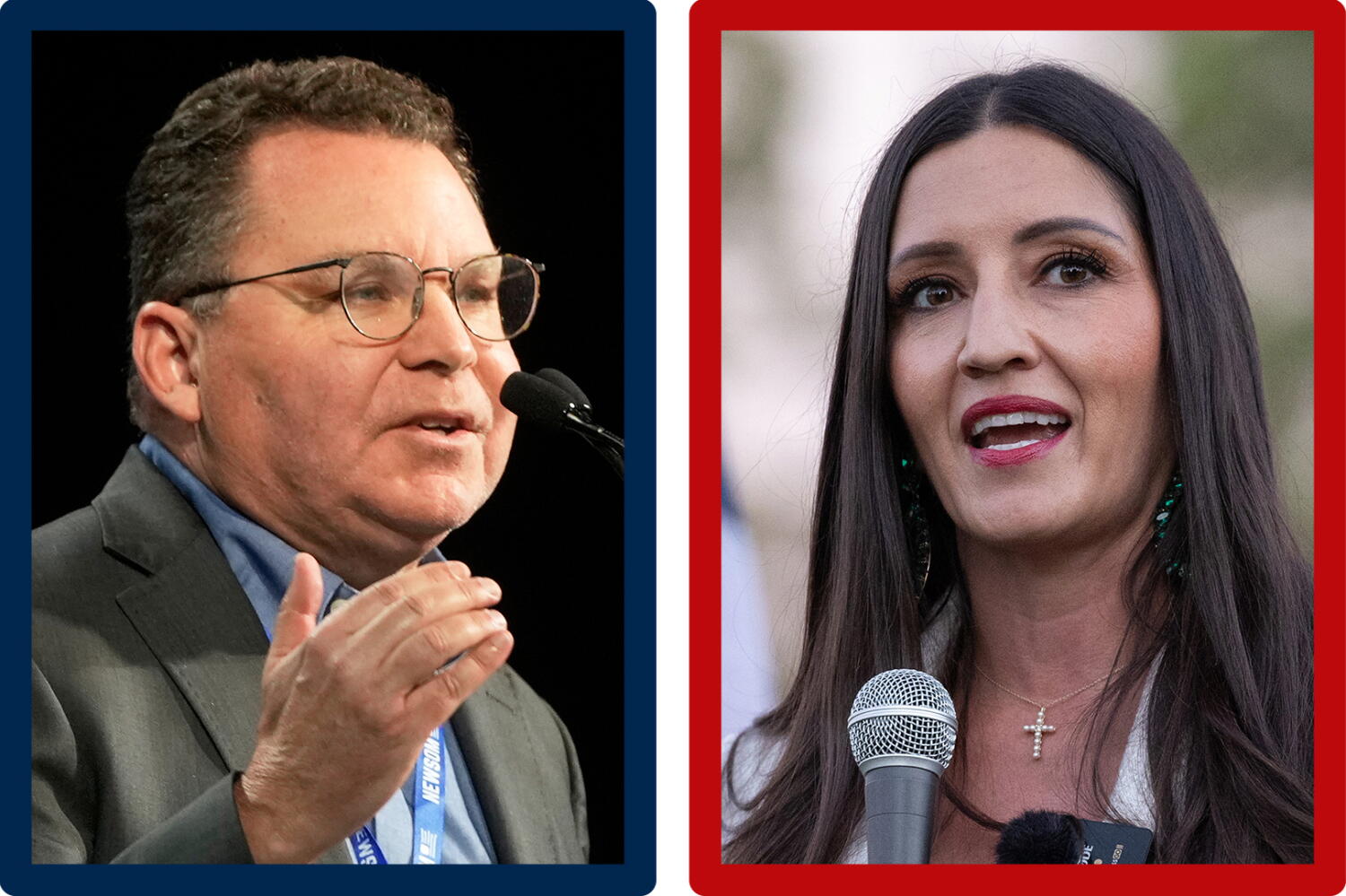
The race for California State Superintendent of Public Instruction has crystallized into a contest between two sitting school board presidents whose policy platforms diverge on nearly every major education issue facing the nation’s most populous state. The outcome will determine who oversees the California Department of Education, an agency that serves as the administrative arm for more than 6 million public school students across roughly 1,000 districts.
Unlike states where the top education official is appointed by the governor, California voters directly elect their superintendent. The position carries no direct authority to set curriculum or mandate local district policies, but it wields significant influence through regulatory guidance, federal fund distribution, and the bully pulpit. The winner will also serve as an ex officio member of both the University of California Board of Regents and the California State University Board of Trustees, giving the office leverage over higher education pipelines.
James “Jamie” Barrera, 59, currently leads the San Diego Unified Board of Education, governing the state’s second-largest district with approximately 113,000 students. His opponent, Sonja Shaw, 44, presides over the Chino Valley Unified Board of Education in San Bernardino County, a significantly smaller system serving about 26,000 students. Both candidates are parents; Barrera’s children have completed their schooling, while Shaw’s remain enrolled in public schools.


Their ideological divide is rooted in how each views the current trajectory of public education. Barrera defends the existing system, arguing that the path forward requires increased funding and scaling successful practices from high-performing campuses to those struggling academically. He frames the superintendent primarily as a convener capable of advancing initiatives independent of the governor or Legislature. He points to the education department’s recent work promoting affordable workforce housing on surplus school district property and its working group efforts to combat chronic absenteeism as models for the role.
Shaw characterizes the broader public education landscape as failing, attributing the decline to liberal Democratic policies, even as she praises the quality of the specific district she governs. Her political mobilization traces back to pandemic-era school closures, mask mandates, and vaccine requirements, all of which she actively opposed. On cultural issues within schools, she backs restrictions on books deemed sexually obscene and supports flag bans at schools—policies widely understood as targeting LGBTQ pride flags.
Labor relations represent one of the sharpest fault lines in the race. The California Teachers Association (CTA), the state’s most powerful education lobbying force, operates as a natural extension of Barrera’s career. Before his 18 years on the San Diego school board, he spent decades in community and labor organizing, holding senior roles in two unions. He describes unions as democratically governed institutions where educator voices are most powerfully expressed, pledging to treat organized labor as a core partner in decision-making.
Shaw operates without that institutional backing, aligning instead with the parental rights movement that has reshaped conservative education politics nationwide since 2021. While her platform consistently mirrors Trump administration priorities, she rejects the characterization that she follows the former president’s directives. “I don’t put loyalty behind a person,” Shaw said, emphasizing that her focus remains on protecting children regardless of who occupies the White House.
Immigration enforcement further separates the candidates. Barrera explicitly condemns immigration raids under the Trump administration, calling them harmful assaults on immigrant families and educators that he intends to fight. Shaw avoids engaging directly with federal immigration enforcement, maintaining that school districts should simply follow the law, communicate clearly with families, and keep their attention inside the classroom.
Judicial actions regarding transgender student policies have also drawn contrasting reactions. When a September court ruling limited mandatory parent notification requirements concerning a child’s gender identity—a policy Shaw strongly supports—she publicly attacked the judiciary. After attending the hearing, she posted on social media and stated in interviews: “Kangaroo courts. Dishonorable judges.”
Barrera maintains close ties to incumbent State Superintendent Tony Thurmond, serving as a senior adviser to him. Shaw has made Thurmond a frequent target of her criticism, using his tenure to illustrate what she views as systemic failures in Sacramento’s approach to education governance.
Both candidates submitted detailed policy surveys outlining their goals and analyses. The next major milestone in the race is the statewide primary, after which the top two finishers, regardless of party affiliation, will advance to the November general election under California’s nonpartisan blanket primary system.










One Comment