
Hydropower Tunnels Become Focus of Himalayan Search as 70 Americans Remain Missing
Rescuers confront flooded tunnels, destroyed crossings and an expanding regional death toll
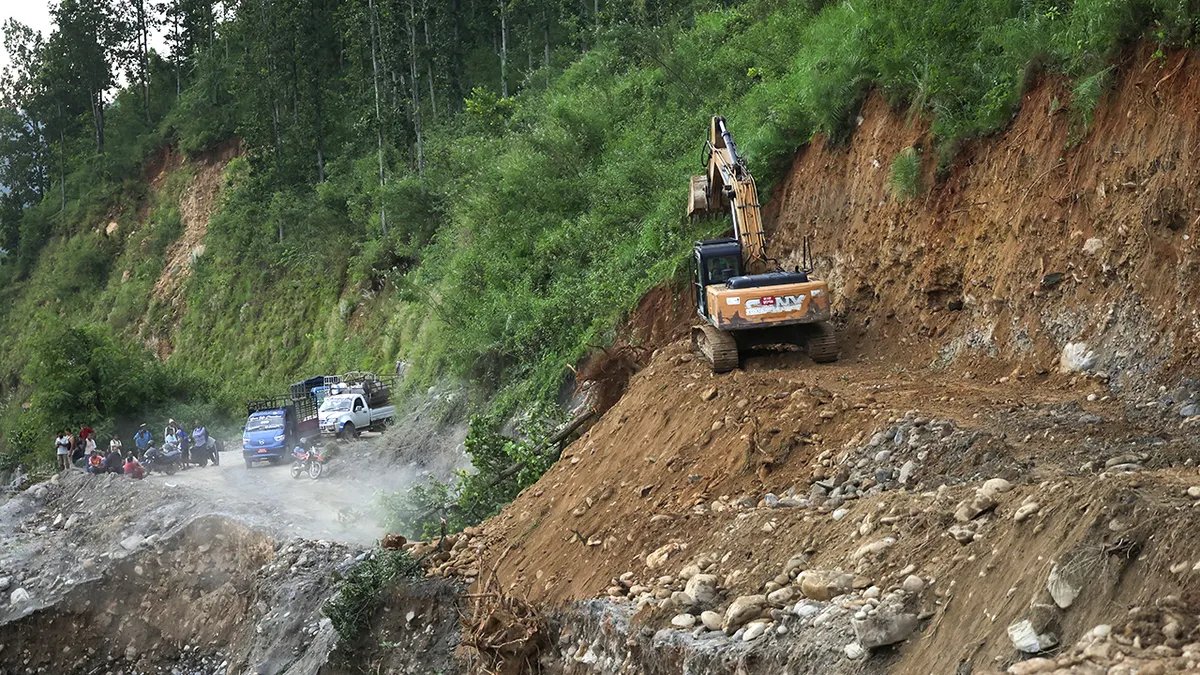
Along the Nepal-China border, the Trishuli River gorge remains split by broken bridges, blocked roads and debris left by the Aug. 26 glacial collapse. Search teams are working through the transport wreckage for workers believed trapped in hydropower tunnels while authorities try to account for about 70 Americans stranded in the region.
The Himalayan border corridor linking Nepal’s Rasuwa district with Tibet runs through steep gorges along the Trishuli River basin. Seasonal Glacial Lake Outburst Floods (GLOFs) and debris flows can sever satellite and cellular connections, leaving travelers isolated without road access. That terrain has slowed direct checks on foreign nationals and forced consular officials to piece together information from survivor manifests at temporary evacuation hubs.
Heavy machinery has been clearing the Trishuli River banks in Nuwakot, while temporary zipline crossings are being used where bridges were swept away. At least 1,399 people have been killed across Nepal and China’s Tibet region.


The State Department has urged Americans not to travel to the disaster zone, where additional flash floods and landslides remain possible. The Nepal flooding missing Americans are being tracked as rescuers move through the same damaged gorge crossings used to reach the hydropower sites.
The latest count lists 70 Americans as unaccounted for, down from 75, while 18 have been confirmed safe, up from 16. No American deaths have been confirmed. The State Department Nepal disaster update remains dependent on information reaching evacuation hubs from an area where roads, communications and crossings are still unreliable.
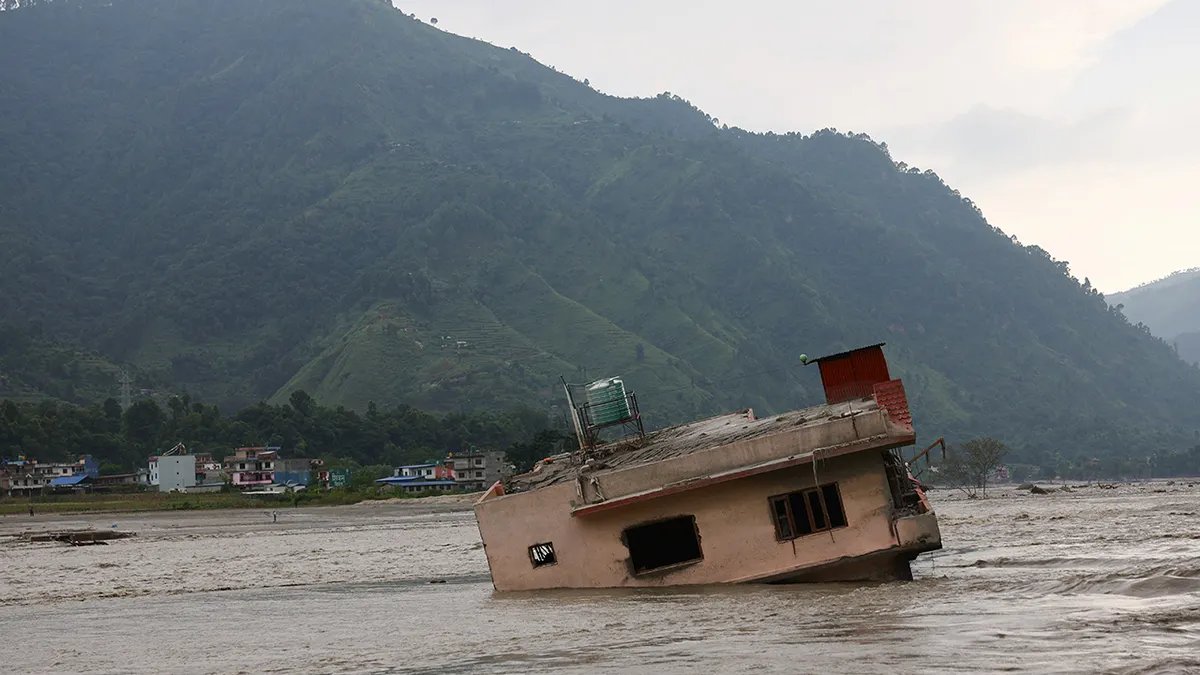
Rescuers are concentrating on three hydropower project tunnels where dozens of workers may be trapped beneath debris from the Aug. 26 collapse. The Chilime hydroelectric project and neighboring facilities sit in narrow, steep valleys along the Trishuli river system. Glacial slurry and silt can inundate low-lying intake portals, canteens and staff accommodations, turning the tunnel networks and adjoining buildings into enclosed traps.
“Our search operation is focused on finding survivors, including in tunnels,” Dharma Raj Upreti, chief of Nepal’s disaster authority, told Reuters. Teams are digging toward the Chilime project’s canteen and residential areas, where food stores and living quarters were located, as machinery works through the debris.
The broader disaster has left more than 5,400 people missing across Nepal and Tibet. The Nepal China border glacier collapse damaged communities and infrastructure on both sides of the frontier, with the destruction extending beyond the river settlements and into the trans-Himalayan trade and trekking corridor.
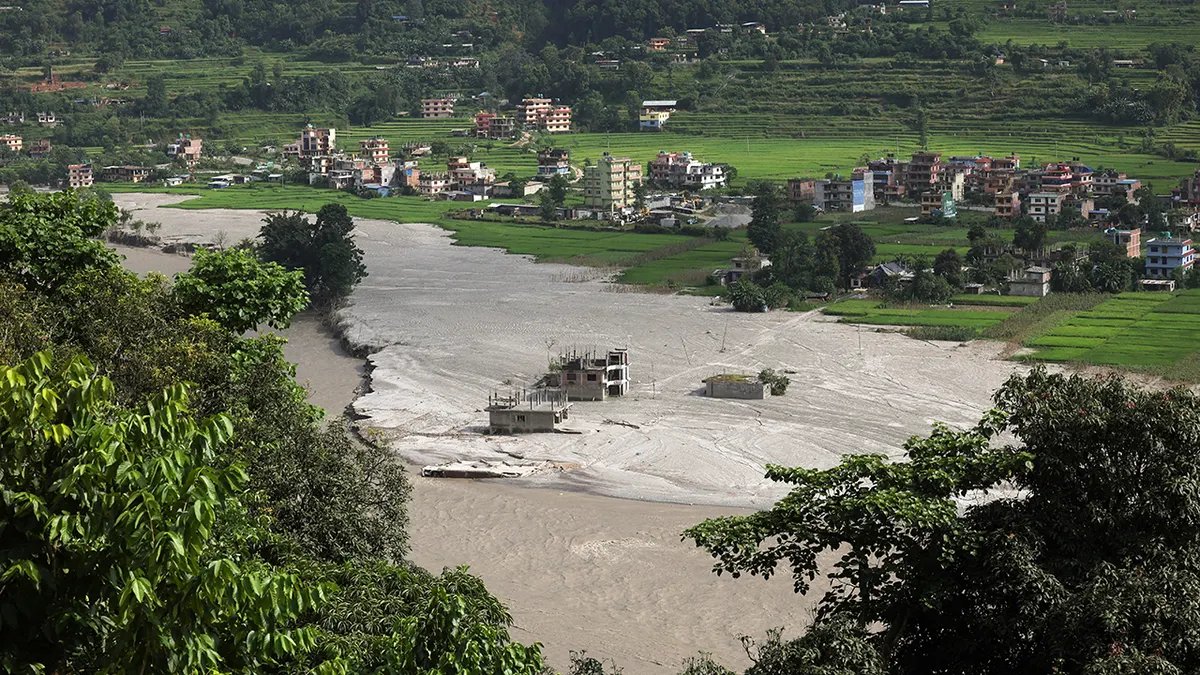
Both governments have blamed climate change for the glacier collapse. The Trishuli River landslides Nuwakot area remains exposed to further slope failures, while debris and unstable crossings continue to restrict access to search sites.
Rescuers are still using heavy equipment and ziplines to move people and supplies through the broken corridor. Officials continue warning travelers away from the zone as additional flash floods and landslides threaten the routes used to search the tunnels and verify the missing.