
Hungary Orders 10 Russian Operatives Out in Major Break From Moscow’s European Hub
Péter Magyar’s government targets Russian influence while keeping diplomatic channels open
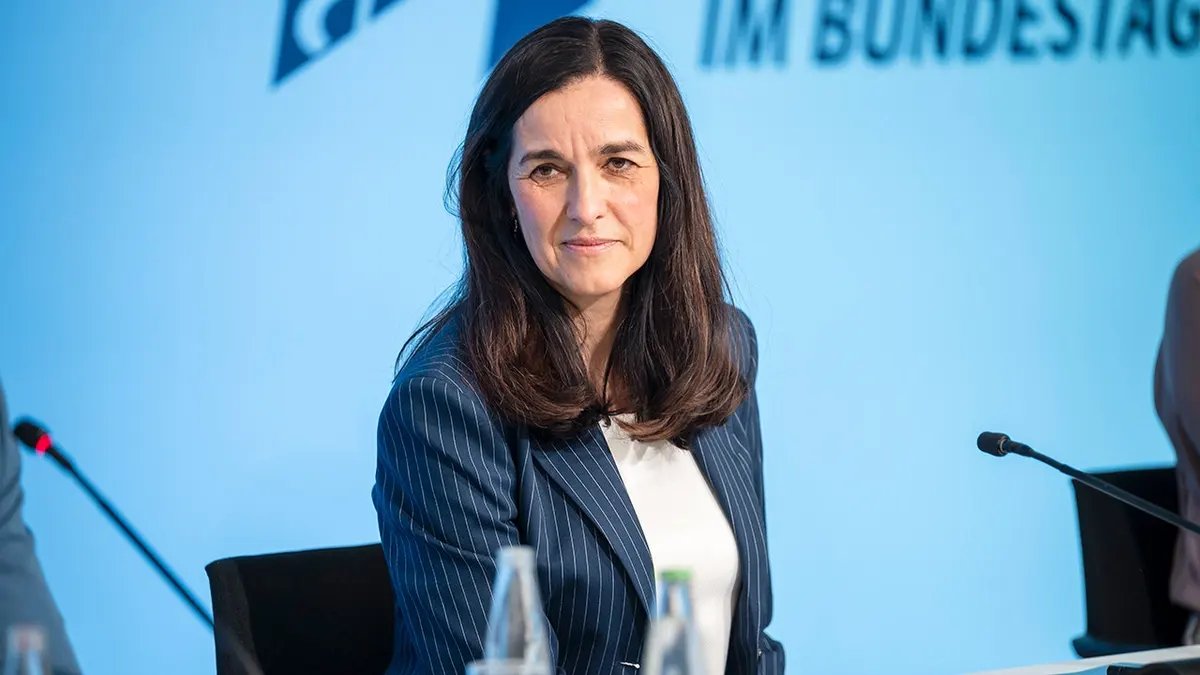
Deputy Prime Minister and Foreign Minister Anita Orbán announced that Hungary had ordered 10 members of the Russian mission to leave the country after authorities determined they had engaged in activities considered unacceptable under the Vienna Convention. In a post on X, she said the relevant official had informed Russia’s ambassador that the individuals were being expelled.
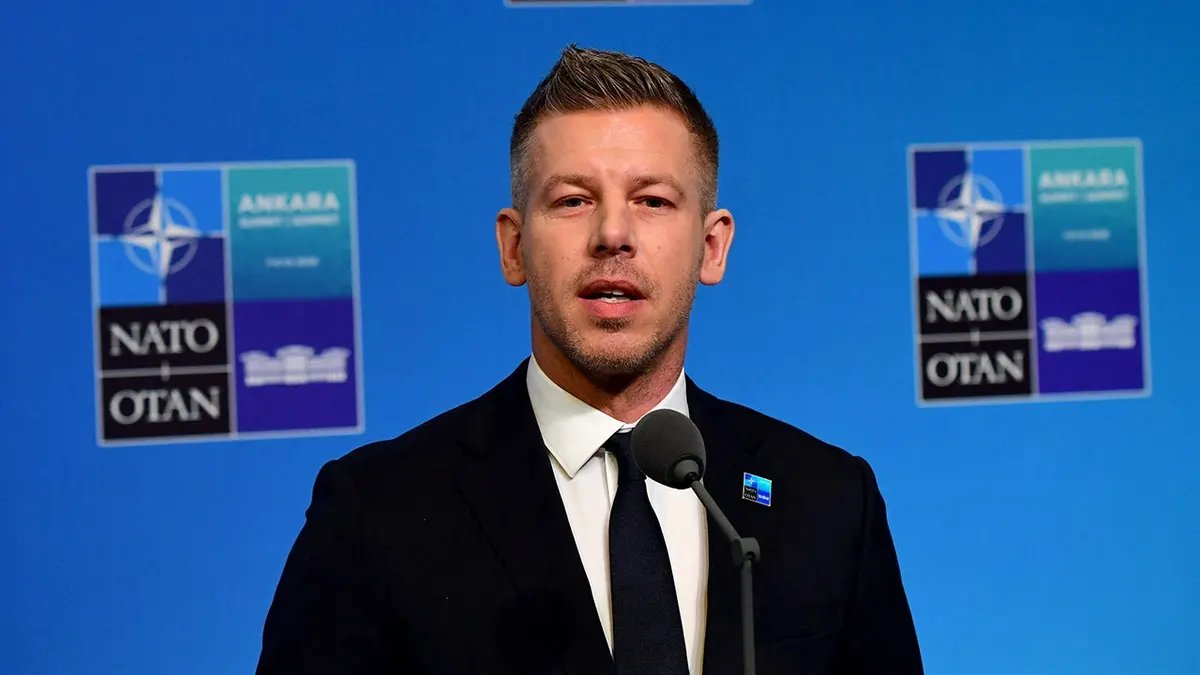
The order marks a significant shift for Budapest, which under former Prime Minister Viktor Orbán was widely regarded as Moscow’s softest target within the European Union and NATO. Hungary regularly blocked sanctions and maintained a permissive environment for Russian diplomatic operations in Central Europe. The action by Prime Minister Péter Magyar’s government signals a sharper response to Russian intelligence activity, even as Budapest avoids severing its official channels with the Kremlin.
That distinction is explicit. The expulsion protects Hungary’s security and sovereignty, Anita Orbán said, but it does not end diplomatic relations with Russia.


Budapest intends to continue what she called necessary dialogue based on mutual respect and adherence to the rules. The statement leaves the diplomatic channel open while the 10 individuals remain under an order to depart.
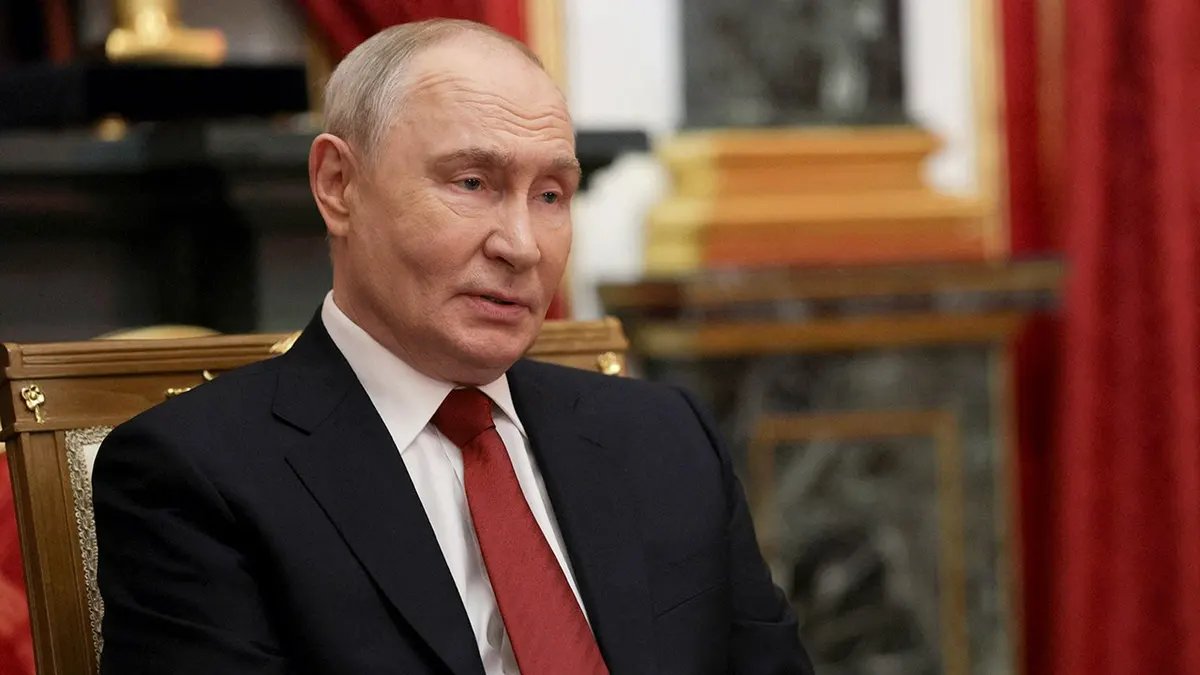
Russia’s diplomatic response was expected to involve reciprocal expulsions. The Kremlin’s foreign ministry told the state news agency RIA Novosti that Moscow would provide “an appropriate response,” a phrase that generally points to tit-for-tat action under Article 9 of the Vienna Convention, with equivalent personnel often expelled within 48 to 72 hours. Such a move would put pressure on Hungary’s foreign service while testing the limits of its effort to preserve communication with Moscow.
Across Central Europe, intelligence agencies have repeatedly identified Russian embassies, including the mission in Budapest, as hubs for hybrid activity such as cyber intrusions, intelligence gathering and destabilization campaigns aimed at neighboring NATO members. The concern extends beyond the individuals named in Hungary’s order and helps explain why the new government’s enforcement posture carries broader significance.
Russia’s persistent use of hybrid attacks against the EU and its member states is the strategic concern behind the European reaction. Christian Wigand, a spokesperson for the European Commission, said the bloc took note of Hungary’s “legitimate decision” to expel the Russian diplomats and described the move as an expected response to that campaign. His assessment places Péter Magyar’s effort to redefine Hungary’s role within the European Union and NATO alongside concerns shared across the bloc, rather than presenting the expulsion as a measure imposed by Brussels.
Hungary’s break with its former reputation as a Russian sanctuary therefore has two simultaneous tracks: dismantling a channel associated with covert influence and retaining the formal dialogue Anita Orbán said remains necessary. Moscow’s promised response will test both.
Hungary is a NATO member, and its new posture aligns with wider EU and NATO efforts to disrupt Russian covert networks along the alliance’s eastern flank. The expulsion places Budapest inside that security effort while leaving its diplomatic relationship with Russia formally intact.