UK Terrorism Charges Filed Against Nigel Farage Murder Suspect
New count alleges premeditated campaign targeting Reform UK leader alongside July murder of former MP
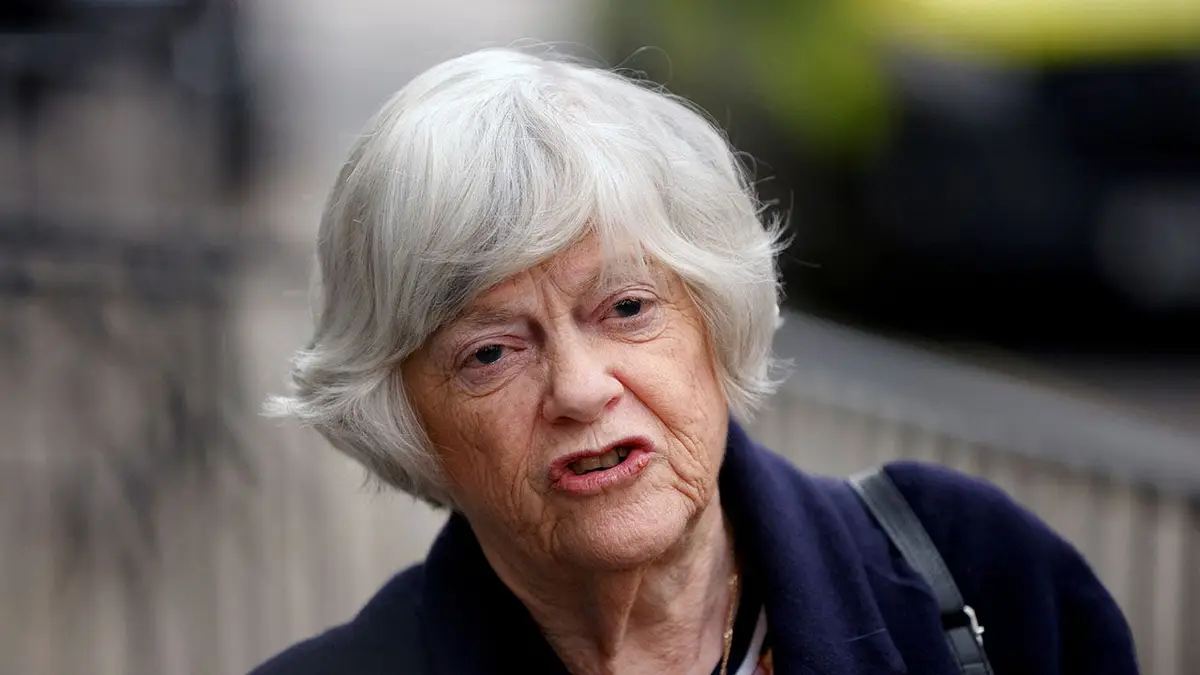
British counterterrorism prosecutors have escalated the case against Joshua Kerry, adding a charge of preparing terrorist acts to the existing murder accusation stemming from the July killing of former Member of Parliament Ann Widdecombe. The Crown Prosecution Service alleges that Kerry’s conduct included specific preparations to target Reform UK leader Nigel Farage, transforming what was initially treated as a homicide investigation into a broader national security inquiry.
The new terrorism count covers alleged activities spanning from May 31 through July 8, indicating investigators believe the attack on Widdecombe was part of a premeditated campaign rather than an isolated incident. Under Section 5 of the Terrorism Act 2006, preparation charges do not require proof that an attack was imminent or successfully executed; they criminalize the planning and logistical steps taken toward political violence. This legal threshold allows authorities to intervene before plots reach the execution phase, a tool increasingly used in cases involving threats against elected officials.
Kerry, 28, remains in custody following his arrest in late July. Prosecutors accuse him of entering Widdecombe’s Devon home on July 8 while she was eating lunch, beating her 21 times with a hammer, stealing her wallet, and fleeing within two minutes. The brutality and speed of the assault suggest targeted intent consistent with ideologically motivated violence, distinguishing it from typical domestic homicides or robberies.


Home Secretary Shabana Mahmood described the expanded charges as extremely concerning, emphasizing that violence against political figures threatens democratic institutions. Her statement directed sympathies to the Farage family and highlighted systemic vulnerabilities in protecting public servants. The Jo Cox Foundation, established after the 2016 murder of Labour MP Jo Cox, echoed these concerns, warning that rising intimidation levels endanger both individual safety and civic participation.
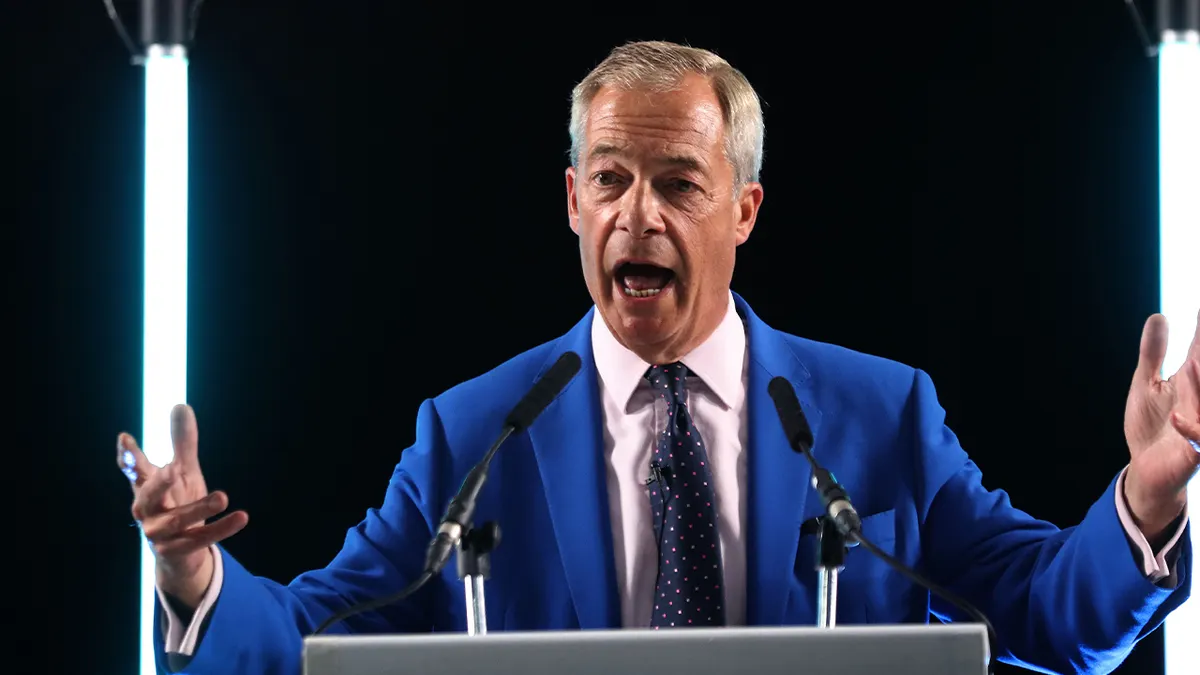
Counterterrorism policing has intensified scrutiny of threats against politicians since Cox’s death, yet high-profile attacks continue to expose gaps in protective measures. Unlike cabinet ministers who receive state-funded security details, backbench MPs and opposition leaders often rely on local police risk assessments that vary significantly by region. Farage, as leader of a party frequently targeted by extremist rhetoric across the ideological spectrum, faces elevated threat levels that standard protocols may not adequately address.
Separately, authorities announced terrorism charges Friday against two Iranian nationals accused of plotting attacks on Manchester’s Jewish community during the High Holy Days. Salam Ahmadyan, 36, and Rahman Salehi, 34, allegedly coordinated with an overseas contact possibly based in Iran. Deputy Assistant Commissioner Vicki Evans stated there is no ongoing public threat but noted the timing coincides with the anniversary of last year’s Heaton Park synagogue attack amid rising antisemitic incidents nationwide.
Both cases underscore a dual challenge for UK security services: addressing domestically inspired violence against political targets while simultaneously disrupting foreign-directed plots against religious minorities. The convergence of these distinct threat streams within a single day’s announcements reflects the complex operational environment facing counterterrorism units.
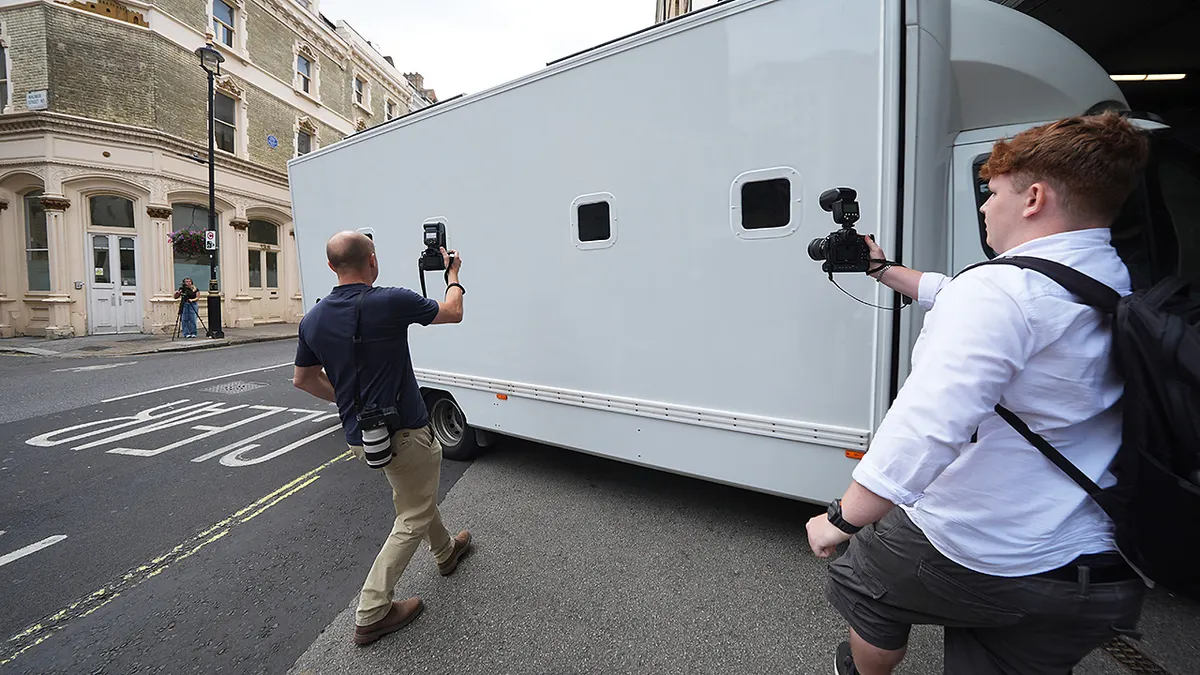
Kerry is scheduled to appear at Westminster Magistrates’ Court on Wednesday. Ahmadyan and Salehi remain remanded ahead of their Saturday court date.