

The Silver Tsunami Threatening U.S. Supply Chains
Retirement wave puts 12 million small businesses and critical U.S. suppliers at risk
WASHINGTON — Roughly 12 million small businesses, representing nearly $10 trillion in assets, are expected to change hands over the next decade, according to a new JPMorganChase study set for release on Monday. Titled “Powering 10 Million Small Businesses,” the report warns that millions of founders are approaching retirement without formal succession plans.
The demographic shift, often called the “Silver Tsunami,” involves the aging of the baby boomer generation, those born between 1946 and 1964. Boomers currently own an outsized share of the 33 million small businesses in the United States, which collectively employ nearly half of the private-sector workforce.
In industries critical to national defense, manufacturing, and security, more than half of the firms have an owner aged 55 or older. If those owners retire without transferring their businesses to new leadership, vital subcontractors and suppliers could shutter permanently, breaking domestic supply chains and threatening national security infrastructure.


JPMorganChase’s survey of 1,000 small-business owners found that 70% of respondents were in the early stages of succession planning, while only 8% had reached an advanced stage. A 2025 Gallup survey similarly found that 27% of employer firms with owners aged 55 or older were either unsure of their long-term plans or intended to shut down entirely.
Project Equity, a national non-profit focused on employee ownership, estimates that baby boomer-owned businesses account for roughly 2.3 million enterprises employing one in six American workers. Other projections estimate that as many as 6 million business transitions will need to occur by 2035.
When owners exit without a plan, businesses often close outright instead of being sold. A February report from McKinsey’s Institute for Economic Mobility on the “Great Ownership Transfer” estimated that between 6% and 13% of small-business closures over the next ten years could be avoided through better succession planning. McKinsey noted that these closures are rarely driven by commercial failure; owners simply run out of operational runway before finding a buyer.
A small-business survey by U.S. Bank found that most founders launch companies with the goal of passing them on, but a majority lack a formal transfer plan and describe the process as legally and financially overwhelming. The planning deficit also extends beyond Main Street: a recent analysis of S&P 500 corporations found that at more than one-third of the sampled companies, both the chief executive officer and chief financial officer were simultaneously within their retirement windows with no public succession plan in place.
Advocacy groups and economists have warned that the lack of preparation could trigger widespread economic damage. JPMorganChase is backing federal legislative proposals intended to ease the transition process, including the Small Business Succession Planning Act. The bill would direct the Small Business Administration (SBA) to create a national succession toolkit and offer tax incentives for transition planning.
The Retire Through Ownership Act and the American Ownership and Resilience Act would seek to expand access to capital for employee-owned models, including Employee Stock Ownership Plans (ESOPs) and worker cooperatives. Those structures allow employees to buy out retiring owners.
JPMorganChase’s policy push follows its own commercial and philanthropic initiatives. In March, the bank launched its “American Dream Initiative,” including an $80 billion commitment to small-business lending over ten years and specialized transition advisory services. In 2025, it also announced $11.5 million in philanthropic funding specifically targeted at supporting business ownership transitions.
The financial commitments follow warnings from JPMorganChase Chairman and CEO Jamie Dimon. Since March, Dimon has stated that the “American Dream is alive,” but is “slipping out of reach for too many people—and for future generations” because of systemic economic barriers.
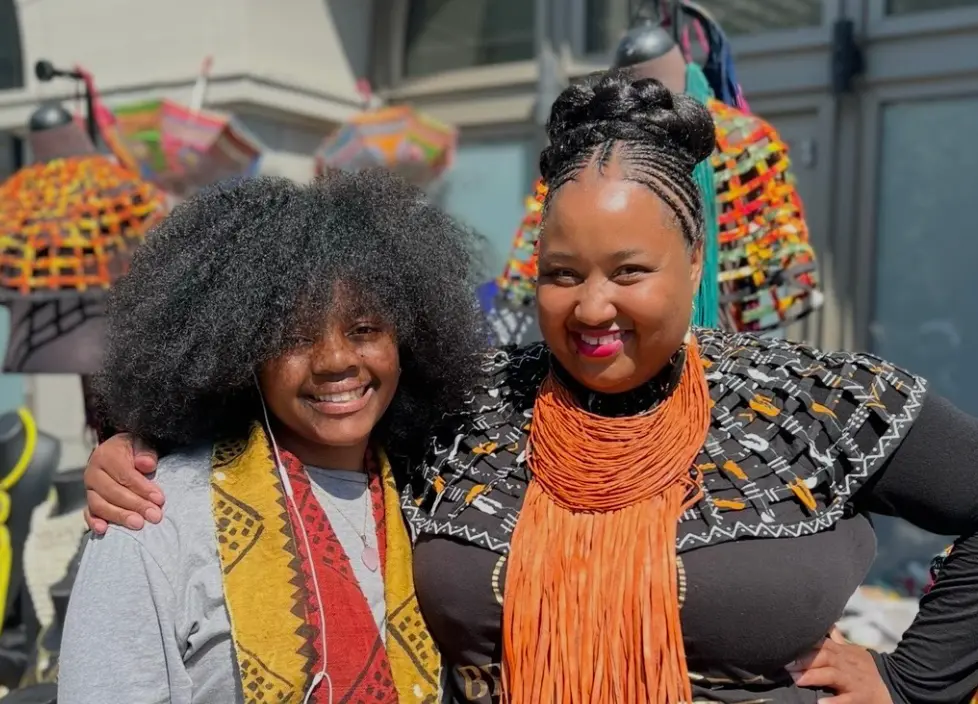
Some communities are using cooperative models to preserve local business ecosystems. In San Francisco, entrepreneur Nicole Williams sought to avoid the historical pitfalls of individual business closures by forming a collective enterprise. Williams grew up hearing family stories about the city’s Fillmore District during its mid-20th-century peak as the “Harlem of the West,” a thriving cultural and commercial hub for Black-owned businesses.
Decades of municipal urban renewal and redevelopment programs displaced thousands of residents and shuttered those businesses, erasing generations of accumulated Black wealth and ownership. Williams partnered with five other Black women entrepreneurs: Vickie Brown of Ice Body Skincare, Layshaunese Fuqua of Beauty and Brains Tees, Rashida Taylor of Stash Candle Co., Tshara Ball of LB House of Beauty, and Melissa Robinson of MellRose.
Together, they established the Cowrie Collective. Rather than operating independent, vulnerable retail spots, the six business owners created a shared retail space inside San Francisco’s historic Palace Hotel.
The shift from six individual operations into one shared enterprise was supported by “Vacant to Vibrant,” a public-private partnership created by the non-profit SF New Deal and the City of San Francisco, with backing from JPMorganChase. The program helped the collective with municipal permitting, accessibility compliance, and the move from temporary pop-ups to a long-term lease.
The business owners are now using Chase’s “Coaching for Impact” program to establish a permanent financial foundation, presenting a rare model of planned, cooperative business succession.