Scott River Runs Dry Amid Record Snow Drought, Testing California’s Salmon Protections
Record-low snowpack and groundwater disputes expose gaps in emergency regulations as Klamath salmon recovery faces new bottleneck
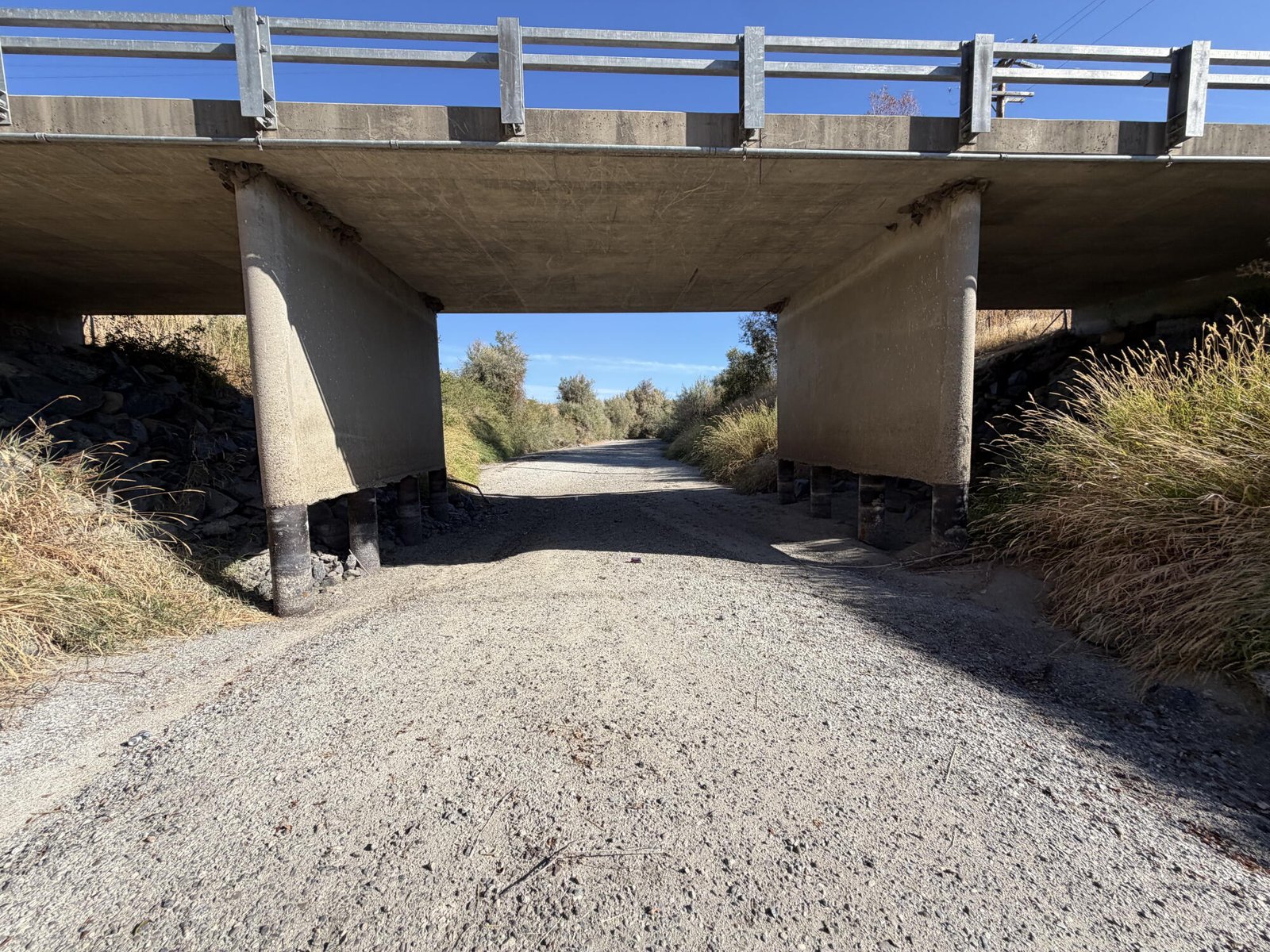
Critical spawning habitat in Northern California’s Scott River has collapsed into disconnected pools and dry gravel beds just as Chinook and coho salmon begin their fall migration, exposing the limits of current state regulations during extreme climate-driven drought. While environmental groups and tribal leaders demand immediate enforcement action against agricultural pumping, state officials and hydrologists point to a near-total absence of mountain snowpack as the primary cause of this year’s flow failure, highlighting a growing mismatch between existing water management tools and rapidly changing hydrology.
The crisis arrives at a pivotal moment for Klamath Basin salmon recovery. Following the historic removal of four dams on the mainstem Klamath River in 2024, fish have rapidly reoccupied 88% of their historical upstream range. However, the Scott River, a key tributary that enters the Klamath downstream from the former dam sites, now risks becoming a bottleneck rather than a refuge. Dry stretches are forcing returning salmon to congregate at the river’s mouth or in isolated lower reaches, conditions that biologists warn significantly increase susceptibility to disease outbreaks and predation before spawning can occur.
Regina Chichizola, executive director of Communities United for Water Protection, argues that the State Water Resources Control Board has failed to utilize its statutory authority to prevent this ecological collapse. She and allied organizations, including representatives from the Quartz Valley Indian Reservation, contend that voluntary groundwater reduction plans and delayed curtailment orders are insufficient. Critics assert that regulators must impose mandatory, drastic cuts to well pumping to maintain minimum flows, regardless of broader climatic conditions.


State water regulators counter that the physical drivers of this year’s desiccation extend beyond human extraction. Erik Ekdahl, chief deputy director of the State Water Resources Control Board, identified an extreme “snow drought” as the dominant factor. On May 1, when regional snowpack typically peaks, measurements showed only 1% of average accumulation. Warm winter storms delivered rain instead of snow, eliminating the natural reservoir that historically sustained base flows through late summer and autumn. Ekdahl noted that under such severe deficits, the river system lacks the capacity to sustain surface flow even if all diversions ceased entirely.
This distinction underscores the complex lag time inherent in groundwater-surface water interactions. Unlike direct stream diversions, which reduce flow immediately, groundwater pumping affects river levels over weeks, months, or years due to subsurface geology. This hydrological delay complicates real-time regulatory responses; pumping restrictions enacted in June may not yield measurable flow benefits until long after the critical fall migration window has closed. The legislature extended special emergency powers for the Scott and Shasta rivers through 2031 specifically to address these challenges while permanent regulations are developed, but the current framework struggles to account for non-linear climate impacts.
Agricultural stakeholders argue that focusing solely on farm withdrawals ignores systemic landscape issues. Ryan Walker, president of the Siskiyou County Farm Bureau, stated that additional curtailments would devastate local agriculture without guaranteeing biological outcomes in years defined by atmospheric extremes. Farmers point to decades of fire suppression in surrounding U.S. Forest Service lands as a contributing factor, noting that overgrown forests consume vast quantities of water that would otherwise reach the watershed. They advocate for forest thinning and controlled burns alongside groundwater recharge projects as complementary strategies to restore hydrological function.
Tribal nations emphasize that the river’s condition represents more than a regulatory dispute. Leonard Lincoln, chairman of the Quartz Valley Indian Reservation, described the Scott River as inseparable from the cultural and physical health of Indigenous communities. For the Karuk Tribe and others, the recurring dry spells signal that temporary emergency measures cannot substitute for permanent instream flow protections. Tribal attorneys are pushing for a management regime that establishes enforceable minimum flow standards capable of withstanding future climate volatility, rather than relying on reactive crisis management.
Despite citations issued to some growers for violating June surface water bans, portions of the river adjacent to active alfalfa fields remain dry while other sections continue to flow, illustrating the uneven impact of current restrictions. Scientists confirm that record-breaking heat and diminished snowpack across California are consistent with long-term climate change trends, suggesting that the baseline assumptions underlying existing water rights and allocations may no longer reflect physical reality. Stakeholders across the spectrum now await seasonal rains, hoping precipitation arrives soon enough to reconnect the channel and allow salmon to reach upstream spawning grounds before the reproductive cycle fails.