Pope Leo XIV Draws Record Crowds to Paris Amid France’s Secularism Debate
Record Attendance Highlights Shift in French Religious Engagement

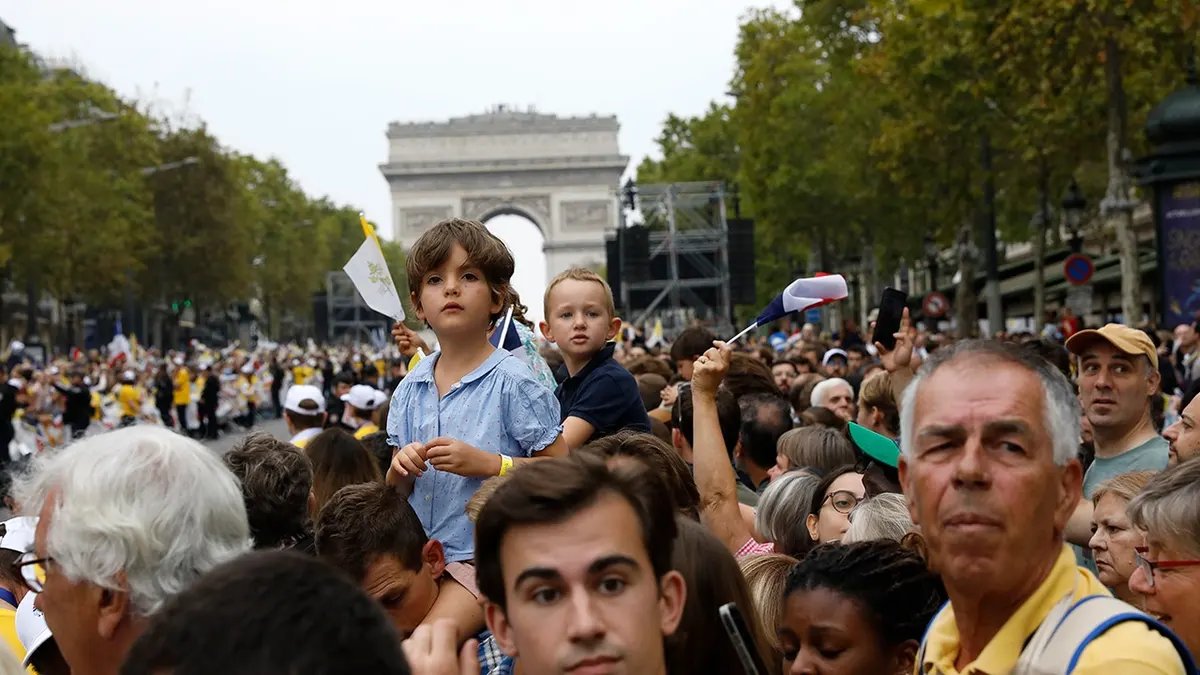
Approximately 800,000 people converged on the Place de la Concorde and Champs-Élysées in Paris on Saturday, September 26, 2026, for an open-air Mass led by Pope Leo XIV. The Vatican reported that attendance exceeded pre-registration numbers by roughly 200,000, marking one of the largest public gatherings in the French capital since the nation’s 1998 and 2018 World Cup victories. This turnout underscores a significant resurgence in visible Catholic engagement within a country historically defined by strict secular governance.

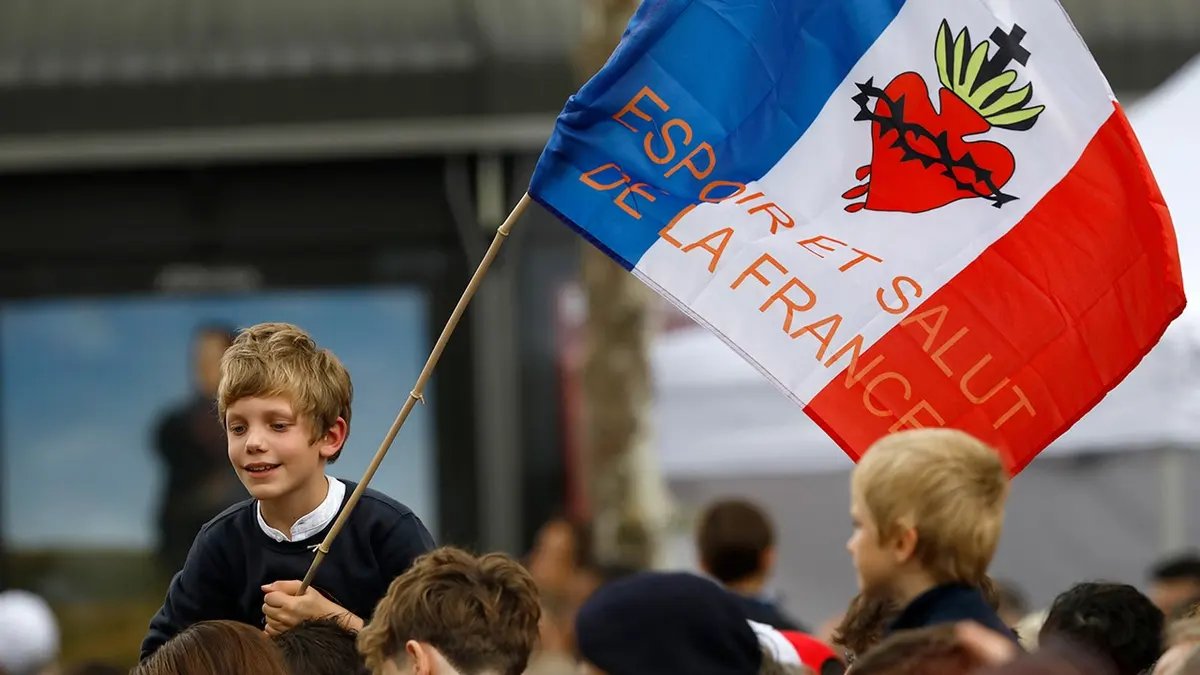
The event highlighted a complex paradox in contemporary French religious life: while overall baptism rates have declined dramatically—from 513,000 in 1980 to 186,000 in 2024—adult conversions are surging. Annual adult baptisms have tripled since 2016, reaching approximately 13,000 this year. Sociologists attribute this shift partly to younger generations seeking community and identity amidst societal fragmentation, a trend observed globally but particularly pronounced among Gen Z males returning to traditional liturgical practices.


Pope Leo XIV, the first American pontiff, used his homily to address what he termed an “increasingly secularized society,” urging Catholics to share their faith openly rather than keeping it private. He invoked biblical imagery of “living water” to describe spiritual renewal and referenced French saints including Irenaeus, Martin of Tours, and Francis de Sales. His presence marked the first papal visit to France since Benedict XVI in 2008, ending an 18-year gap that many analysts viewed as a missed opportunity for institutional outreach during a period of rapid cultural change.
The choice of venue sparked immediate debate regarding France’s *laïcité*, or strict separation of church and state. Critics argued that holding a major religious ceremony at the Place de la Concorde—a site symbolizing the Republic and where King Louis XVI was executed during the Revolution—was provocative. Supporters countered that the square represents national unity and freedom of expression, suggesting that excluding religious voices from such spaces would constitute censorship rather than neutrality. This tension mirrors broader conflicts seen during the 2024 Summer Olympics opening ceremony, which drew sharp criticism from Christian leaders for perceived mockery of religious iconography.

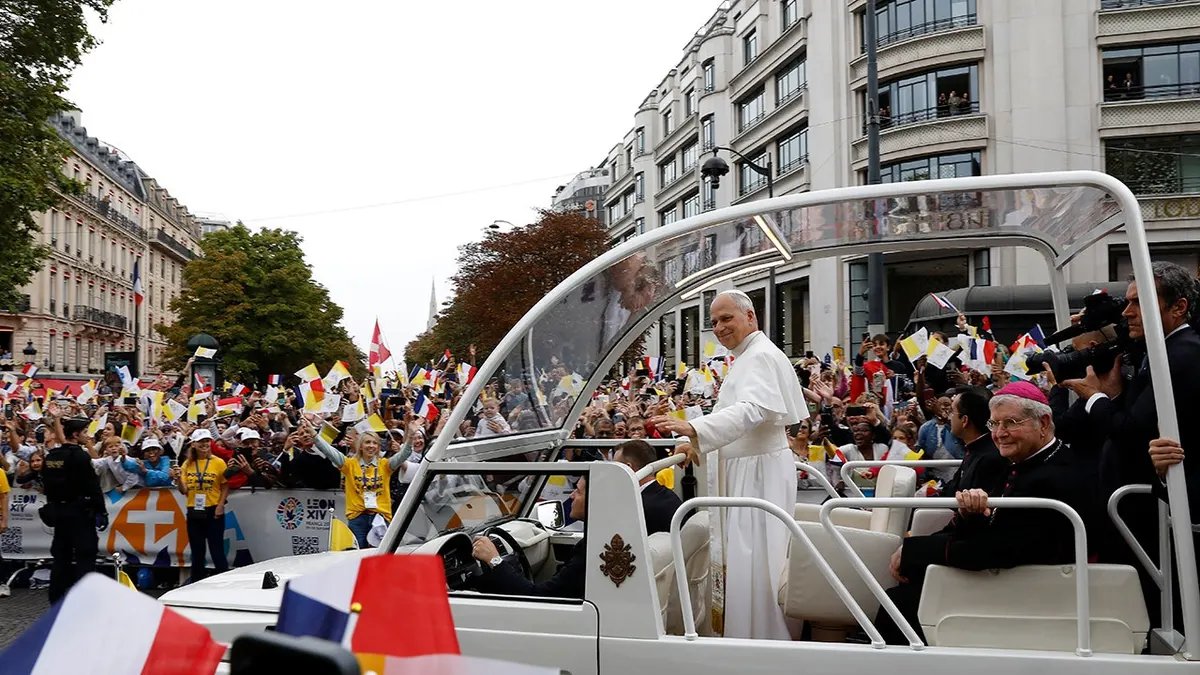
Security logistics required closing central thoroughfares for hours, with crowds lining the route as the popemobile traversed 1.2 miles from the Élysée Palace area to the Mass site. Families lifted children toward the vehicle, creating scenes reminiscent of previous papal visits but amplified by social media distribution. The Vatican estimated that half of the attendees came from outside Paris, indicating strong regional mobilization across France’s dioceses.
This gathering followed a Friday night vigil at the Stade de France, where 80,000 young people participated in prayers and theatrical reflections on French Catholic history. Leo addressed them directly, calling them “the saints of France” and thanking them for their courage in maintaining faith publicly. Such youth-centric programming contrasts with older models of papal visits that emphasized diplomatic meetings over grassroots engagement.
Beyond Paris, Leo’s four-day itinerary includes stops in Lourdes, home to one of Europe’s most active pilgrimage sites, and Metz in northeastern France. In Paris, he met with President Emmanuel Macron and held a prayer service at Notre-Dame Cathedral—the first papal visit there since its restoration following the 2019 fire. These engagements signal continued dialogue between the Holy See and French political leadership despite ideological differences on issues ranging from bioethics to immigration policy.