Netflix’s ‘East of Eden’ Reimagines Cathy Ames as Trauma Survivor, Departing From Steinbeck’s ‘Monster’
Limited series reframes Steinbeck’s villain through lens of childhood trauma and female agency
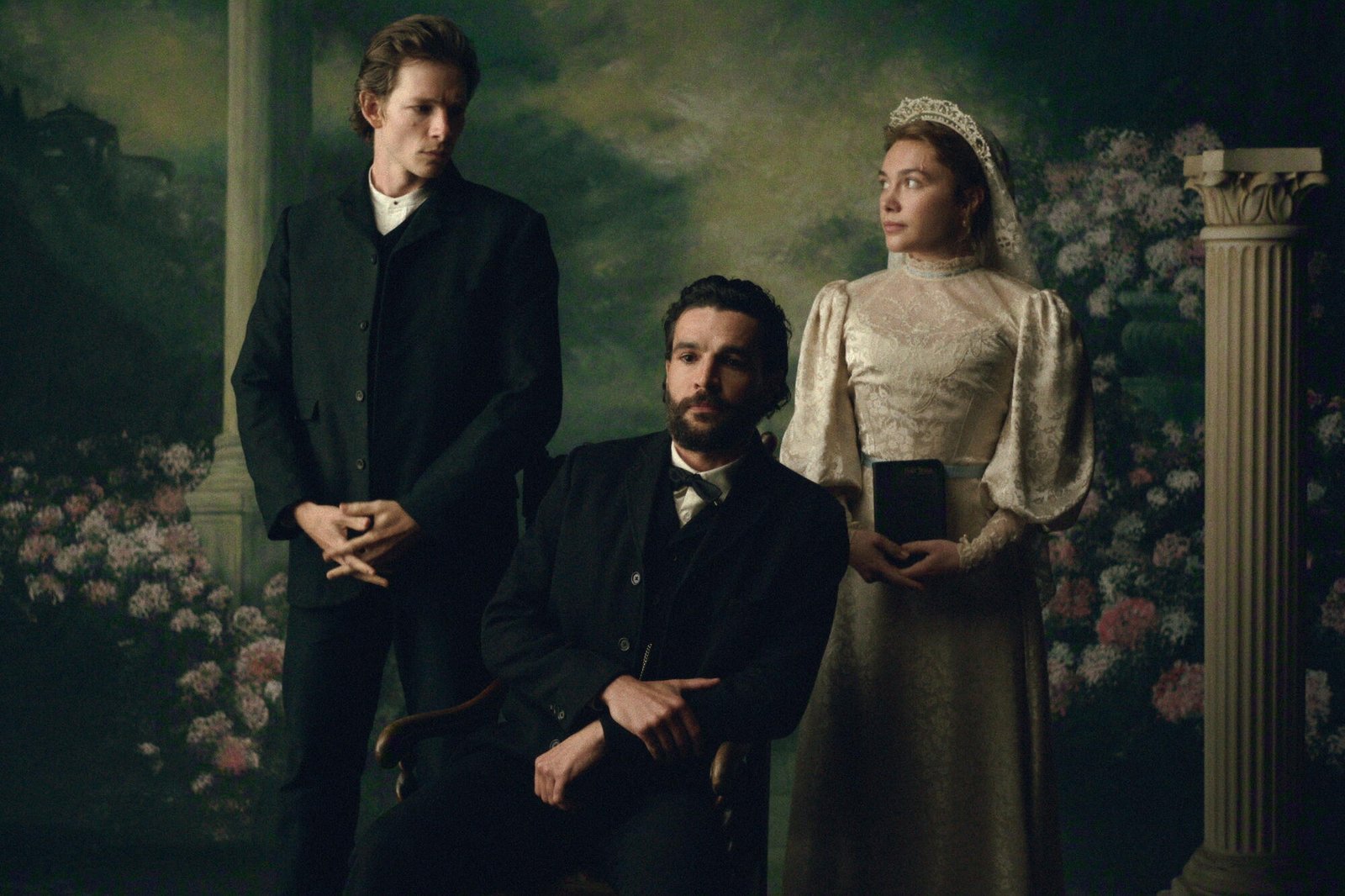
Netflix’s new seven-episode limited series adaptation of John Steinbeck’s “East of Eden” fundamentally alters the narrative architecture of the 1952 novel by repositioning its most notorious antagonist, Cathy Ames, as a central protagonist shaped by trauma rather than innate evil. Streaming Thursday, the series represents a significant departure from both the source text and previous screen adaptations, shifting focus from the biblical allegory of Cain and Abel to a psychological examination of female agency, generational abuse, and survival in early 20th-century America.
Showrunner Zoe Kazan has deliberately excised much of the Hamilton family subplot that occupies substantial portions of Steinbeck’s original work. This structural compression allows the series to center almost entirely on the Trask family and their intersection with Cathy, portrayed by Florence Pugh. The creative decision directly challenges decades of literary criticism that have categorized Cathy as one of American literature’s definitive symbols of pure malevolence. Steinbeck explicitly described the character as a “psychic monster” born without conscience or capacity for kindness, a depiction that the 1955 film directed by Elia Kazan largely reinforced through Jo Van Fleet’s Oscar-winning but stylized performance.
The Netflix iteration instead presents Cathy’s cruelty as a learned response to severe childhood sexual assault, a backstory only obliquely referenced in the novel but made explicit in the series. Pugh and Kazan collaborated to establish this trauma as the foundational cause of Cathy’s subsequent manipulation and violence, framing her actions within a cycle of abuse rather than metaphysical wickedness. This reinterpretation aligns with contemporary literary scholarship that has increasingly questioned whether Steinbeck’s portrayal reflected genuine psychological insight or mid-century anxieties about female autonomy and sexuality.


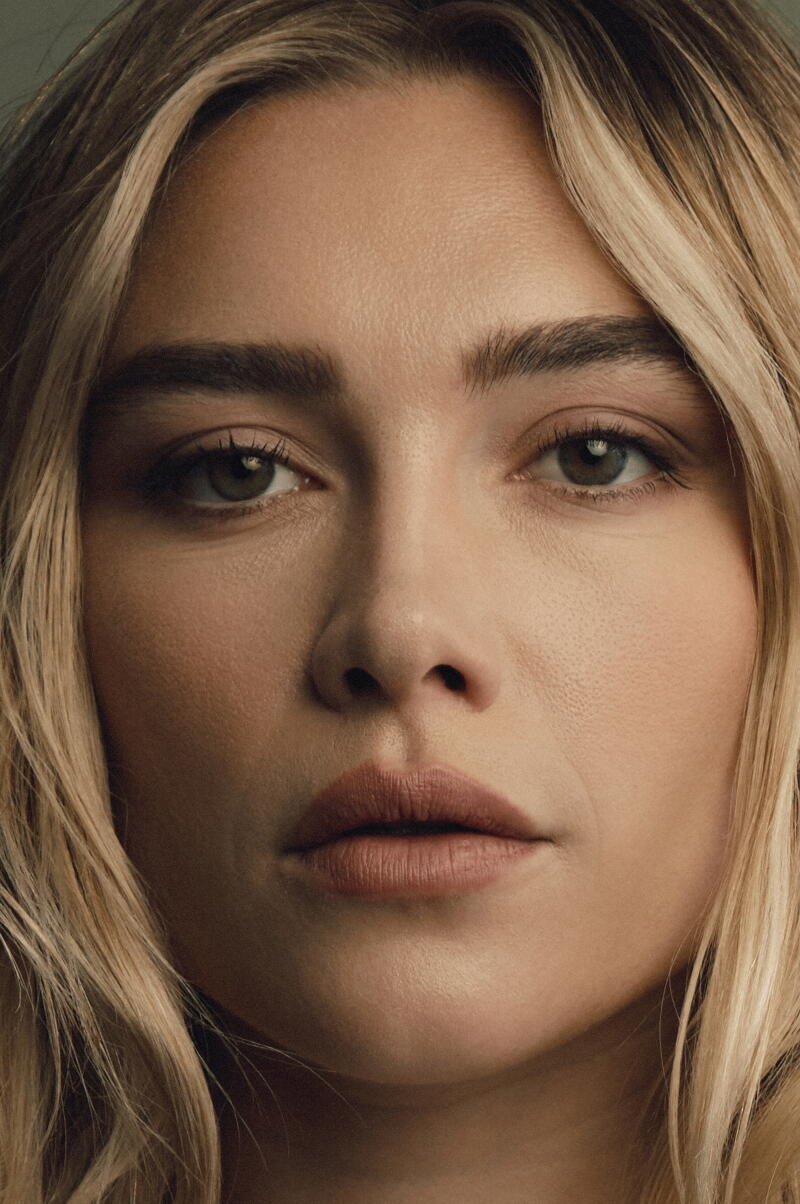
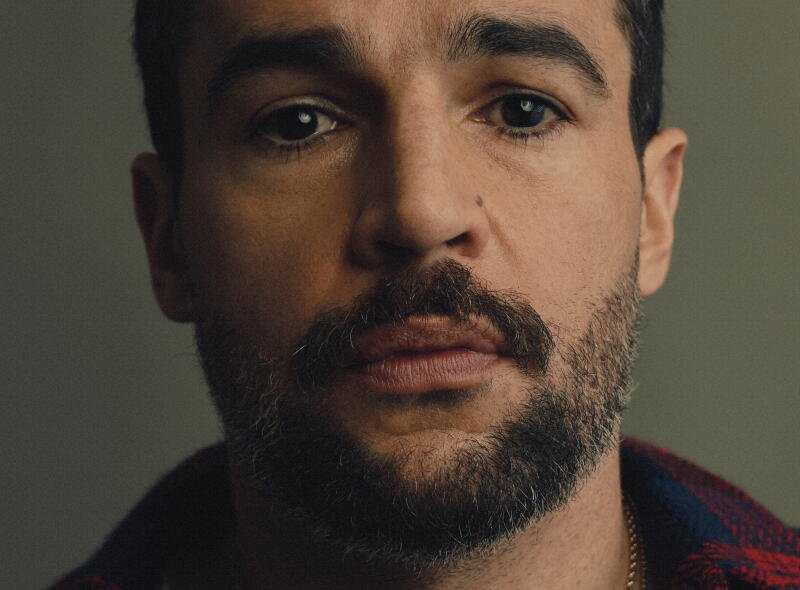
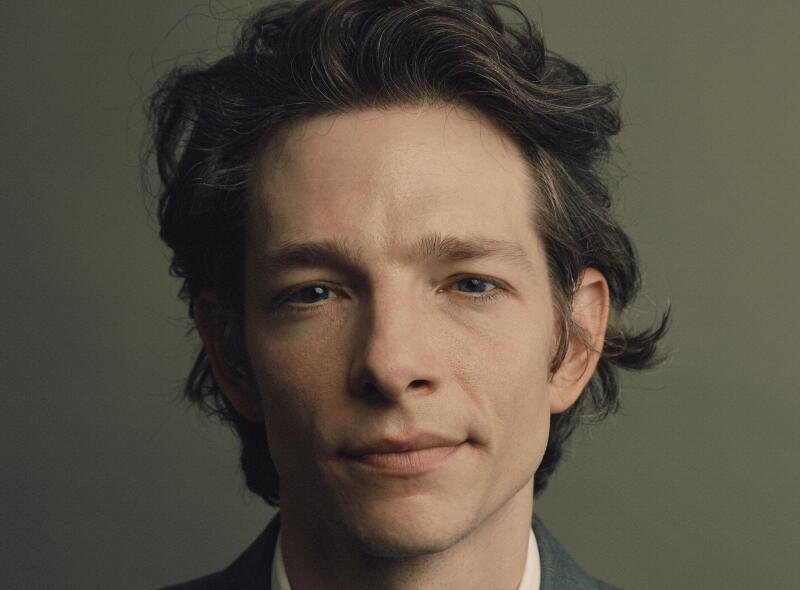
Casting Pugh against type was integral to this reconception. Kazan identified the actor based on performances in “Midsommar,” “Lady Macbeth,” and “Little Women,” noting a specific duality of feminine presentation and masculine energy that could sustain moral ambiguity. Where previous interpretations leaned into grotesquerie or seductive villainy, Pugh’s portrayal emphasizes interiority and defensive calculation. The series depicts key moments of violence not as expressions of inherent depravity but as tactical maneuvers by a person who has been systematically deprived of safety or power.
This humanization extends to the Trask brothers, Adam (Christopher Abbott) and Charles (Mike Faist), whose relationship anchors the series’ exploration of inherited pain. Unlike the 1955 film, which covered only the novel’s final third and focused primarily on the next generation’s conflict, this adaptation traces the brothers’ entire adult lives. Abbott portrays Adam’s transformation from aimless drifter to emotionally rigid patriarch, while Faist excavates Charles’s jealousy as rooted in desperate attachment rather than simple villainy. Both actors emphasized that the sibling antagonism stems from unexpressed love and shared paternal rejection, adding psychological texture to what Steinbeck framed as archetypal opposition.
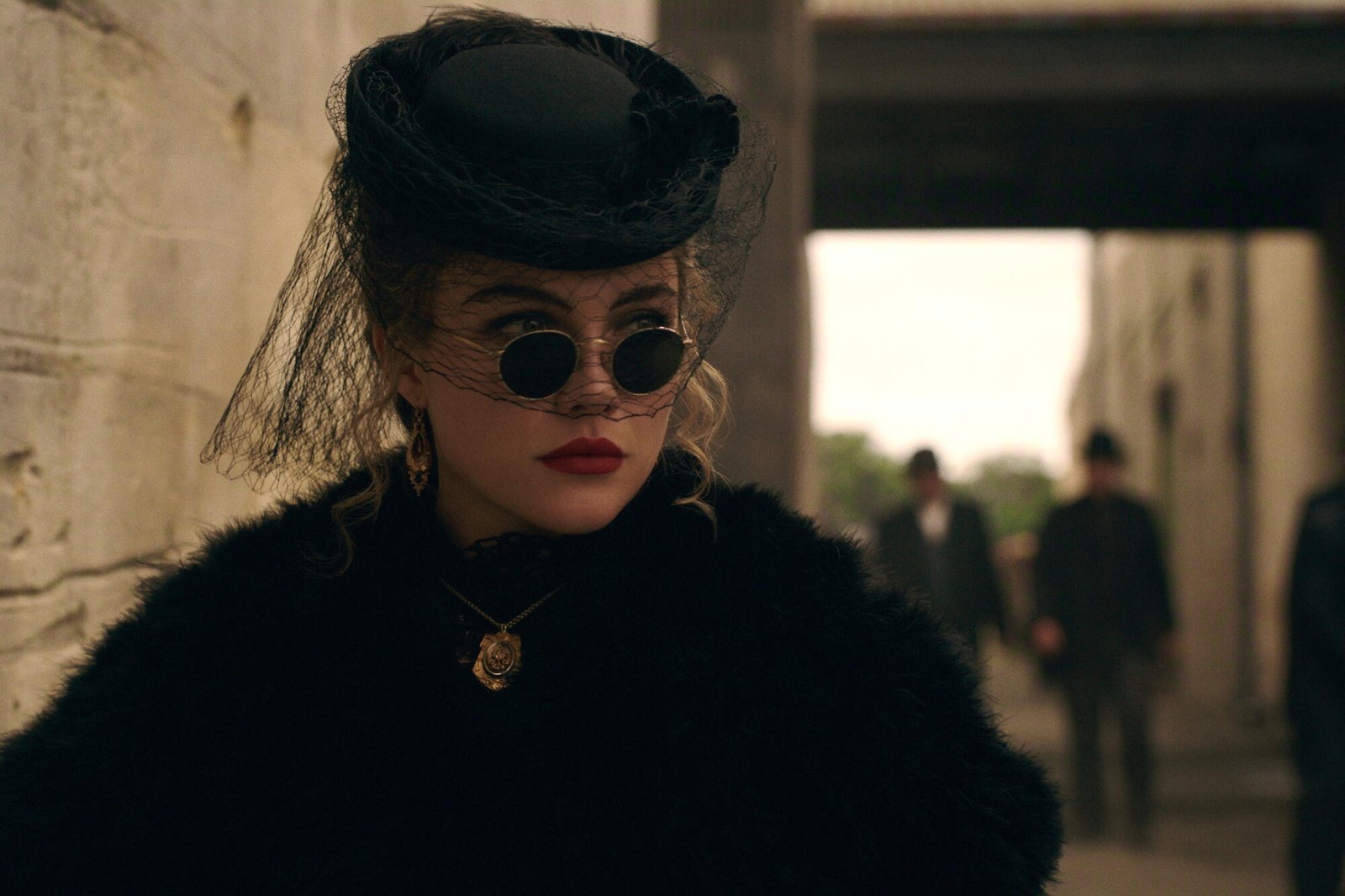
The production faced particular challenges in depicting intimate scenes between Cathy and Charles that convey mutual desire alongside profound dysfunction. Faist described these sequences as requiring real-time negotiation when choreographed blocking failed to capture the necessary tension. The resulting friction was preserved on camera, reflecting the characters’ incompatible objectives rather than performative chemistry. Such moments underscore the series’ commitment to psychological realism over melodramatic convention.
Steinbeck’s concept of “timshel”—the Hebrew word meaning “thou mayest,” signifying humanity’s capacity to choose between good and evil—remains the thematic spine of the adaptation. However, its application shifts significantly when applied to a Cathy understood as traumatized rather than damned. The series suggests that choice exists within constraint, and that moral failure can coexist with victimhood. Christopher Abbott delivers the term in the series’ closing scene, spoken by the servant Lee (Hoon Lee) to a dying Adam, preserving the novel’s philosophical climax while recontextualizing its implications for every character who precedes it.
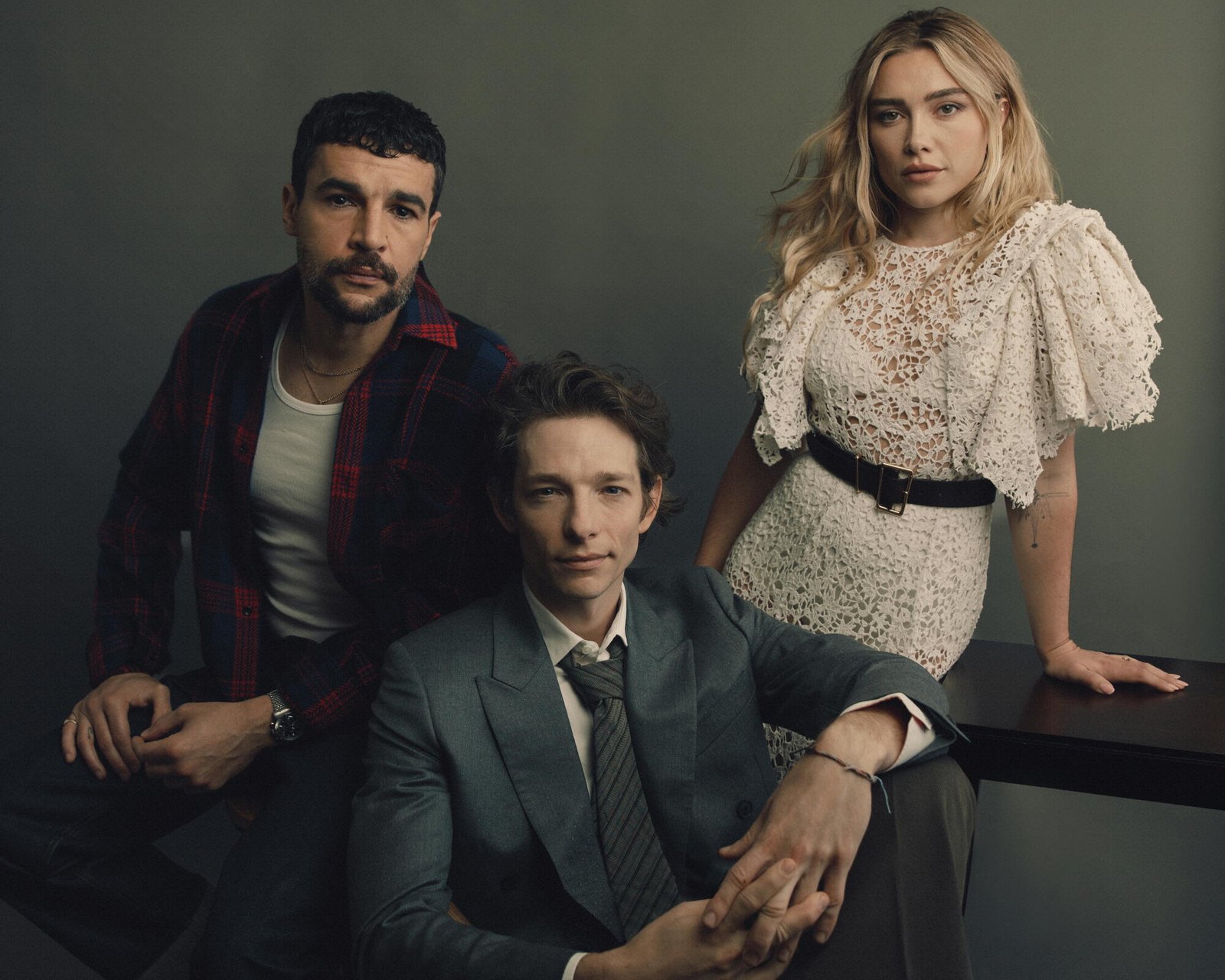
Zoe Kazan’s familial connection to the material adds another layer of cultural significance. Her grandfather Elia Kazan’s 1955 version remains iconic, particularly for launching James Dean to stardom, but it also cemented a reductive reading of Cathy that dominated popular understanding for seventy years. The new series does not reject that legacy so much as interrogate it, using the expanded runtime of episodic television to explore dimensions the feature format necessarily compressed. Mike Faist noted he had never read the novel before being cast, knowing only the film; his engagement with the text came through the lens of this revised interpretation.
Early social media discourse has already revealed deep divisions among Steinbeck purists and advocates of adaptive reinterpretation. Critics argue that softening Cathy betrays the author’s explicit intent and dilutes the novel’s moral stakes. Supporters contend that the series fulfills Steinbeck’s broader project of examining how environment shapes character, even if it revises his specific conclusions about Cathy’s nature. Pugh has acknowledged the inevitability of backlash, stating that defending a character widely regarded as irredeemable is precisely the artistic challenge she sought.
The resurgence of interest in “East of Eden” coincides with broader cultural reckonings regarding gender, trauma, and canonical authority. Readers and viewers are increasingly willing to separate artistic merit from authorial biography or outdated psychological frameworks. The series arrives at a moment when audiences expect adaptations to converse with source texts rather than replicate them, treating classic literature as living material subject to contemporary ethical and aesthetic scrutiny.
Netflix released all seven episodes simultaneously on Thursday, October 1, 2026.