How Israel’s Medical System Survived the Oct. 7 Massacre
Early triage decisions and civilian nurses prevented a higher death toll during the unprecedented casualty surge at Soroka Medical Center.
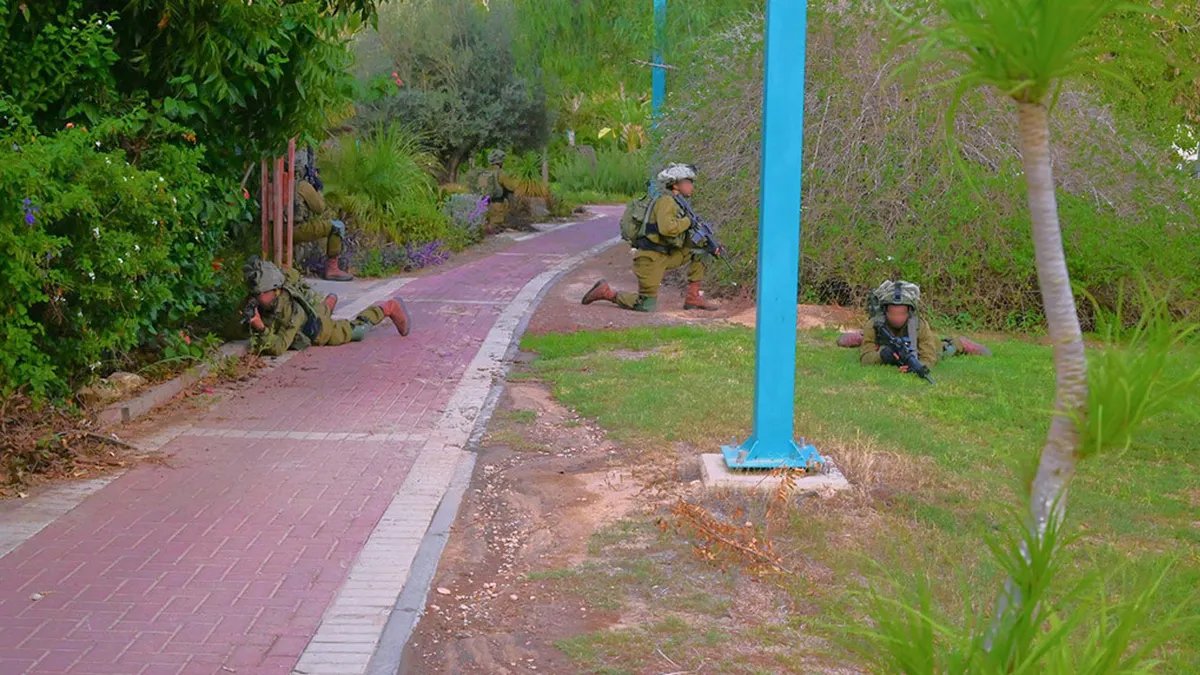
Soroka Medical Center in Beersheba received 674 wounded patients in the first 24 hours of the Hamas-led attack on southern Israel on Oct. 7, 2023 — a casualty surge that required the facility to transfuse 250 units of blood after starting the morning with just 50 in reserve.
Three years later, the operational decisions made inside Israel’s southern healthcare network before dawn that day remain the defining factor in how many civilians survived what became the deadliest attack on Jews since the Holocaust. The medical response was not improvised from scratch; it relied on protocols built over decades of regional conflict, pushed far beyond their intended limits by an assault spanning dozens of communities simultaneously.
Prof. Shlomi Codish, director of the Clalit-affiliated Soroka hospital, ordered the overnight shift to stay past their scheduled departure and declared a mass-casualty incident at 7:45 a.m., more than an hour before the full scope of the border breach was understood. That early declaration activated emergency staffing protocols across the Negev region. Soroka, designated as a Level I trauma center for Israel’s south, routinely manages casualties from Gaza border flare-ups, but standard operating procedures anticipate rocket fire injuries rather than hundreds of close-range gunshot wounds and burns arriving concurrently.
At peak volume, wounded civilians arrived at the hospital every 40 seconds. Staff were forced to clear intensive care beds and operating rooms while the building itself triggered incoming missile warnings from Gaza. Transferring overflow patients to hospitals in central Israel, such as Sheba Medical Center or Hadassah, was blocked because highways were compromised by infiltrators and ambulances risked ambush.
The burden of initial triage fell heavily on community-level clinicians trapped inside the attack zone. Unlike military medics who deploy into secured perimeters, civilian nurses and midwives operated without ballistic protection, communications infrastructure, or evacuation routes. Israel’s universal healthcare system assigns registered community nurses to kibbutzim and peripheral towns, making them the sole advanced medical providers available when the invasion severed road access to professional emergency services.
Nil Kirsht-Levi, a nurse with Clalit’s Southern District living in Kibbutz Magen, treated patients remotely from her reinforced safe room while shielding her three children. She reported losing more than 30 patients and approximately 200 acquaintances during the assault. Her sister, Rimon Buchshtab-Kirsht, was abducted from nearby Kibbutz Nirim. Buchshtab-Kirsht’s husband, Yagev Buchshtab, was killed. Rimon was returned 53 days later under the November 2023 temporary ceasefire agreement, which facilitated the release of roughly 105 hostages in exchange for Palestinian prisoners held by Israel.
In Kibbutz Alumim, midwife Michaela Koretsky converted her home into a field trauma station. Working alongside a Soroka emergency physician who happened to be in the community, she stabilized gunshot victims using improvised bandages and intravenous lines. Her husband evacuated the critically wounded to Netivot under active fire to meet incoming ambulances. The 6:29 a.m. rocket barrage that initiated the attack was designed specifically to force Israeli civilians into shelters and overwhelm the Iron Dome air defense system, creating a window for ground infiltration.
The long-term strain on this medical infrastructure has compounded the acute trauma. Clalit Health Services, which insures more than half of Israel’s population, had to rapidly scale psychiatric and rehabilitative care for both survivors and the clinicians who treated them. Secondary trauma among frontline healthcare workers emerged as a critical operational challenge in the months following the massacre, requiring specialized intervention programs that are still expanding.
As of October 2026, Israel continues to observe the third anniversary of the attacks while navigating ongoing hostage negotiations and the broader military campaigns in Gaza and Lebanon that followed the initial massacre.